Britain’s road safety progress stalls as injury numbers rise despite fewer deaths


Car changing is a big deal


Britain’s latest road casualty figures show fewer deaths but a rise in serious injuries. The trend adds pressure on UK road safety policy, as vulnerable road users face increasing risk.
New UK government statistics paint a mixed and increasingly complex picture of road safety across Great Britain. While fewer people are being killed on the roads, serious injuries are rising.
In 2025, an estimated 1,556 people were killed in road collisions, a 3% drop compared with the previous year. At first glance, that points to a modest improvement in safety. But the wider picture is more concerning: the number of people killed or seriously injured (KSIs) rose to 29,911, up 4% year on year, according to the data.
Overall casualties remained broadly unchanged at 127,870.
Remember, you can buy a brand new or used car right here on Carwow. And you can sell your car, too. We’re here to help you through every step of your car-changing journey.
Serious injuries rise even as deaths edge down
While fewer people are being killed on Britain’s roads, the rise in serious casualties suggests that overall progress on road safety is far from straightforward.
Here are the reported road casualties by severity in Great Britain in 2025 (provisional), compared with 2024 and 2015, according to government data:
| Severity | 2025 | % change from 2024 | % change from 2015 |
|---|---|---|---|
| Killed | 1,556 | -3 | -10 |
| Seriously injured (adjusted) | 28,355 | 4 | -7 |
| KSI (adjusted) | 29,911 | 4 | -7 |
| Slightly injured (adjusted) | 97,959 | -1 | -36 |
| All casualties | 127,870 | 0 | -31 |
Cyclists and motorcyclists see rising risk

The latest data highlights clear differences between road user groups, with vulnerable travellers increasingly exposed.
- Motorcyclist deaths rose 13% to 384, marking the second year in a row of increases.
- Cycling-related casualties climbed 10% to 16,027, the highest rise across all road user types.
- Pedestrian deaths fell 9% to 372, but overall injury levels remain high.
These shifts point to a growing imbalance in road risk, with people outside of cars continuing to bear a disproportionate share of serious harm.
Motorcyclist fatalities are particularly under scrutiny, not just because they have increased, but because the rise has now continued for two consecutive years.
Government officials note that it is too soon to know if this is an upward trend as year-to-year changes can fluctuate, but the numbers are likely to intensify pressure on safety enforcement and rider protection measures.
| Road user type | 2025 | % change from 2024 | % change from 2015 |
|---|---|---|---|
| Car occupants | 638 | -8 | -15 |
| Motorcyclists | 384 | 13 | 5 |
| Pedestrians | 372 | -9 | -9 |
| Pedal cyclists | 81 | -1 | -19 |
| Goods vehicles occupants | 44 | -10 | -32 |
| Other vehicles occupants | 32 | 19 | -3 |
| Bus or coach occupants | 5 | 67 | 0 |
Older men fatalities are on the rise
Men continue to make up the vast majority of road deaths in Britain, accounting for 77% of fatalities in 2025, according to the data.
Among men, fatalities are fairly evenly spread across three age groups: 17-29, 30-49, and 50-69. But the longer-term picture is shifting. Deaths among younger and middle-aged men have fallen over the past decade, while fatalities among those aged 50 and over have risen. This suggests road risk is gradually moving towards older age groups.
For women, fatalities are highest among those aged 70 and over. However, the long-term trend is positive, with female fatalities falling across all age groups since 2015, especially among younger women.
Overall, the data points to a clear pattern: while fewer people are being killed on the roads over time, older age groups are increasingly making up a larger share of fatalities.
New transport habits add fresh challenges
The growing use of e-scooters is also changing the safety landscape. In 2025, there were an estimated 1,484 casualties involving e-scooters, including 10 deaths.
As micromobility becomes more common in towns and cities, safety rules and infrastructure are still playing catch-up – adding another layer of complexity for policymakers trying to reduce harm.
Pressure builds on road safety targets
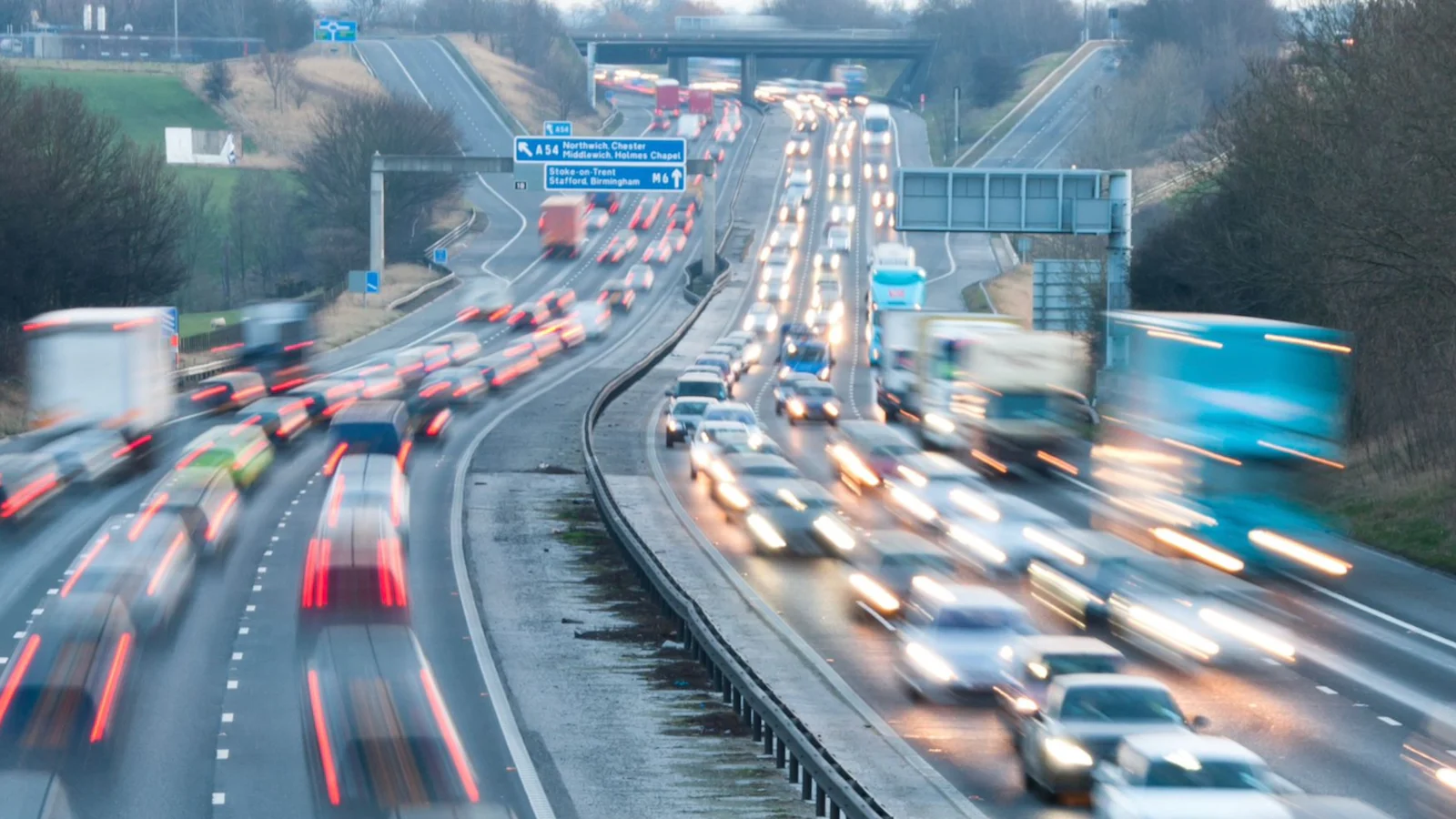
The UK government’s updated Road Safety Strategy, published in 2026, sets out ambitious long-term goals: a 65% reduction in serious casualties by 2035 and a 70% reduction in child serious casualties by 2030.
But the latest figures show how difficult that challenge will be. While long-term fatality rates have improved, the continued rise in serious injuries suggests current measures may not be enough to deliver the scale of change required.
Road safety groups say the lack of consistent improvement is a sign that stronger action may be needed, particularly around enforcement, education, and protecting more vulnerable road users.
RAC senior policy officer Rod Dennis said: “Once again, this data shows that precious little progress has been made in reducing harm caused on our roads – and firmly underlines why the government’s Road Safety Strategy is so critical.”
You can find the reported road casualties on the government’s website here.
Car change? Carwow!
Looking for a new set of wheels? With Carwow you can sell your car quickly and for a fair price – as well as find great offers on your next one. Whether you’re looking to buy a car brand new, are after something used or you want to explore car leasing options, Carwow is your one stop shop for new car deals.
Click here to follow us on WhatsApp, where you can keep up-to-date with all the latest news, reviews, advice guides and videos.