Best small cars 2026
High quality small cars from rated and reviewed dealers



Best small cars of 2026: our favourite small cars for inner city driving
The best small cars prove you don’t need a huge footprint to get plenty of everyday usability. They’re easy to manoeuvre through crowded streets, inexpensive to run and comfortable enough for longer journeys, while the most enjoyable models can be genuinely fun to drive.
Limited exterior dimensions inevitably mean a few compromises, but clever design can make a compact car feel far roomier than expected. Some models focus on giving passengers more space, while others prioritise a larger boot, so the right choice will depend on whether you’re more likely to be carrying friends or filling the car with luggage and shopping.
Electric power is particularly well suited to smaller cars. The Renault 5, for example, combines compact dimensions with low running costs and a quiet, effortless driving experience. Those without access to home charging still have plenty of efficient petrol and hybrid alternatives, including the Toyota Aygo X and MG3.
Carwow's expert reviews team has tested every small car currently available, assessing everything from comfort and practicality to value for money and driving enjoyment. The models recommended here cover a broad range of prices and priorities, whether you want maximum space, a desirable badge or simply an affordable car that’s easy to live with.
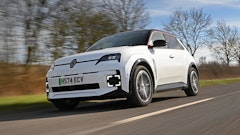
It’s not just the retro 1980s design, honest. True, if you’re of a certain age, the the styling of the Renault 5 E-Tech (to give this electric 5 its full and correct name) is definitely going to tug on some heart-strings, and if you see one in yellow, it’s hard not to be reminded of the classic 1980s Renault Formula One cars, but we digress…
The Renault 5 comes in at the top of this list not just because it’s cute; not just because it’s electric, nor just because it’s affordable. It comes in at the top of this list because it’s all of those, plus it’s seriously good fun to drive, and yet still a practical small family car. It makes many other small EVs look a bit staid and boring, and for the price it feels much more premium than some alternatives too.
The styling really is full of neat details, from the ultra-modern LED headlights that do a passable impression of the original Renault 5’s halogen lamps, to the light-up number 5 on the bonnet that tells you, at a glance, how charged-up the battery is.
That battery stretches to as much as 52kWh depending on the model, and that’s enough for a decent 250 mile range, which should work out around 220 miles in real-world conditions, so the 5 is one of the more useable small electric cars.
Inside, there are more retro references, such as the stitched padding on the dashboard, and — yes, the ultimate accessory — an optional 3D-printed baguette holder. More importantly, the seats are really comfy, and dashboard is really well laid-out, with a good mix of digital and physical controls, as well as built-in Google software. The sheer blizzard of column stalks can be a bit intimidating at first, but you do get used to them.
Space in the back is pretty tight, but the trade-off is that the boot’s a good size. More importantly, the Renault 5 is seriously good fun to drive, with steering that feels alive, sharp brakes, and a sense of balance and agility that reminds you why small cars are way more enjoyable than SUVs.
Cupra’s forte is making Volkswagen Group ingredients look sharper and feel more exciting, and the Raval might be the best example yet. It’s a small electric hatchback with the sort of angular styling, huge front grilles and dramatic full-width rear lights that make the Renault 5 and Nissan Micra seem almost restrained.
The interior is similarly bold. There are textured plastics, copper-coloured details and plenty of ambient lighting, while the standard 10.3-inch driver display and 12.9-inch touchscreen make even the entry-level car feel well equipped. The climate controls are fiddly, though, and the thick rear pillars make looking backwards harder than it should be.
What really surprises is how practical the Raval is. There’s loads of headroom and enough rear space for two six-foot adults to sit behind similarly tall people in the front. Three passengers across the back will be squeezed, but the 441-litre boot is enormous for a car this size and includes useful underfloor storage.
Battery choice depends on trim. Basic versions use a 32kWh battery for up to 186 miles of range, while the optional 52kWh unit can officially manage as much as 275 miles. Rapid charging takes roughly 24 minutes from 10-80% with the larger battery, so longer trips shouldn’t be too painful.
The Raval is at its best when the road becomes interesting. We’ve only driven the range-topping 222hp VZ so far, but its sharp steering, strong grip and limited body lean make it feel like a proper electric hot hatch. It’s quiet on the motorway too, although there’s some wind noise.
That sporty setup has a downside: the suspension jiggles over rough urban roads and thumps through larger potholes. Even so, the Raval combines eye-catching design, excellent practicality and genuine driving enjoyment better than almost any other small EV.
3. Fiat Grande Panda Electric
Fiat Grande Panda Electric reviewThe original Fiat Panda became a style icon kind of by accident, because when Fiat wanted a cheap, small car that was simple to build it asked the great Giorgetto Giugiaro — a man more used to designing supercars — to design it, and he just couldn’t help but make it cool to look at.
Fast forward 45 years, and we come to the Grande Panda, which is a little less elegant than the original Panda — it has to carry-over so much from the Citroen C3 and Vauxhall Frontera with which it shares a structure and engines — but in throwing glances over its shoulder to the original, it just can’t help looking cool. Having the word ‘Panda’ embossed on the side panels gets the styling off to a good start, and the groovy pixel-style lights give the Grande Panda so much more character than its French and German cousins. Trust the Italians to take a basic recipe and make it cooler.
Basic is exactly how you’d describe the cabin, as the Grande Panda, for all its style, is still a car that’s built down to a price, but there’s decent space on offer, and higher-spec models get cool interior lighting and natty bamboo trim (which a real panda would, of course, eat…). Boot space is decent too, and the Panda’s chunky body gives it a moddish SUV-like look.
To drive, it’s a bit of a mixed bag. The electric version has a truncated 199 mile range (although a longer-range version is on the way) and the basic petrol version is, well, a bit too basic. The hybrid has peppy performance though, and decent fuel economy, so that’s probably the best one to go for, but it does mean missing out on the electric Panda’s neatest trick — a charging cable built-into the car that winds itself up like the flex on a vacuum cleaner.
The Panda’s steering is too light and distant for it to be much fun on the open road, but around town this is a nearly ideal car — small, light, easy to park, and with enough ride height that you don’t worry about big bumps. It's also absolutely cracking value.

4. Renault Clio
Renault Clio reviewThe Renault Clio is a fantastic small car, because while it’s firmly in the affordable car camp, you’d never know it just from the looks.
Up front, those slim headlights and funky daytime running lights mean it can turn heads outside the school gates, making alternatives like the Vauxhall Corsa look like they've turned up in their dad's clothes. Sure, the tweaks at the back aren't exactly groundbreaking, but the Clio still carries itself with enough chic to rival the Peugeot 208 – at a far more wallet-friendly price.
Inside there’s a posh vibe going on, with soft-touch materials and swanky climate controls, although the cheaper plastics lurking lower down remind you you're still firmly in value territory. Tech-wise, you'll either love the top-spec model’s 9.3-inch infotainment screen or tolerate the slightly slow and simple 7.0-inch alternative – luckily, wireless Apple CarPlay and Android Auto come to the rescue.
Space up front is good, but passengers taller than six feet will feel cramped in the back, making longer trips a bit cosy. The massive 391-litre boot (in petrol form at least) more than compensates, making it ideal if you haul around sports equipment or just need somewhere to put the big shop.
Under the bonnet, you've got a simple choice: an efficient but leisurely petrol or a pricier hybrid. The hybrid’s punchier and brilliantly smooth around town and returns better fuel economy, but the petrol engine is cheaper to buy so might work out more cost-effective in the long run.
The Clio’s a tad less refined than the VW Polo at high speeds and can become unsettled over bumps, but it’s nothing deal-breaking, and it’s excellent around town, even if rear visibility is a bit disappointing.
Bottom line: if you want stylish looks, generous practicality, and great value wrapped up in a compact package, the Clio's hard to beat.
5. Citroen C3
Citroen C3 reviewThe Citroen C3 pairs chunky, SUV-lite looks with a bargain price tag. It’s available as an electric car - sharing parts with Fiat Grande Panda Electric (above) but it’s almost as good - and actually more fun - if you opt for the 100hp petrol engine.
This comes with a manual gearbox and just about enough power to get by, and though it’s a much more old-school experience than a new electric car it’s still a great time whether you’re buzzing about the city or settling down for a longer run.
Part of that is down to just how comfy the C3 is. Citroen’s 'Advanced Comfort' suspension happily munches potholes and bumps, ideal for Britain's cratered roads. Around town, it’s smooth and easy-going, thanks to good visibility and a tight turning circle.
So, desirable or just cheap and cheerful? Honestly, the Citroen C3 is both. It's far from thrilling, but as affordable motoring goes, it delivers comfort, practicality, and exceptional value.
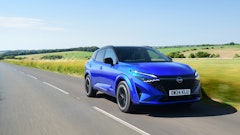
The Nissan Micra is essentially the Renault 5 (above) wearing a different outfit, but that’s hardly a criticism when the Renault is such a brilliant small electric car. Underneath, the two are closely related, sharing their batteries, cabin layout and entertaining driving manners.
The Micra’s round headlights and taillights give it a cuter, more playful look, while the interior feels slightly more grown-up. Every version gets a 10.1-inch touchscreen and physical climate controls, although Google-based software is reserved for higher trims.
There’s good space up front and a useful 326-litre boot, but rear legroom is seriously tight. Battery choices are 40kWh and 52kWh, providing official ranges of 198 and 260 miles respectively.
It’s easy to manoeuvre in town, stable on the motorway and genuinely fun on a twisting road. The Renault 5 remains the more characterful choice, and it has a slightly longer warranty, but attractive pricing or the Micra’s styling could easily sway you towards it.
7. Toyota Aygo X
Toyota Aygo X reviewThe original Aygo was a tiny, cheap, simple car designed for first-time drivers and those looking for a frugal car bargain, but it’s become steadily bigger and pricier over the years to the point where this, the latest Aygo X, is actually pretty chunky.
It’s also now a hybrid for the first time ever, as previously Toyota had decreed that its hybrid tech was too expensive for a car this small. It’s actually a good fit, with the 116hp 1.5-litre hybrid engine proving peppy and giving the Aygo X decent performance, but with the potential for genuine 70mpg fuel economy if you take it easy. It also makes driving around town that bit nicer (automatic gearbox, electric assistance) and that’s the Aygo X’s natural habitat.
However, the Aygo X is still good when you get onto bigger roads. It’s a smooth cruiser on motorways, and yet feels delightfully darty and agile when you take it onto some country curves.
The Aygo X also looks a bit less babyish this time around, with a big grille and angrier-looking headlights, although the funky contrast-painted rear end (like that of the bigger C-HR) is still available on pricier versions. Speaking of price, that has definitely crept up — this is no longer a bargain small car.
The boot’s pretty small, and there’s not much storage space in the cabin, but when you can have fun with frugality, do you really mind?
Sell your car
no fees, no faff
6,000+ dealers are waiting to bid on your car.
Find out what it's really worth today.
8. MG3
MG MG3 reviewThe MG3 has transformed from something you’d only buy because it was really cheap into an attractive and appealing small hybrid car. Its modern exterior is a welcome upgrade from its dated predecessor, and inside it’s similarly improved with a minimalist dashboard and stylish touches like tartan-patterned trims.
Although MG clearly cut some corners – such as flimsy storage compartment covers and hard plastics – the overall feel isn't significantly cheaper than pricier alternatives like the Toyota Yaris or Renault Clio.
Interior tech is impressive, featuring a large touchscreen, digital dashboard, climate control, sat nav, and comprehensive driver assistance as standard. However, the infotainment system can be fiddly due to small menu buttons, and smartphone connectivity lacks wireless capability.
Practicality is merely average. Front passengers have decent comfort but limited seat and steering wheel adjustments. Rear seats accommodate two adults adequately, though the boot is modest at 293 litres, and annoyingly, lacks split-fold seats.
On the road, the MG3 impresses with its 191hp hybrid system, making overtaking effortless and motorway entries relaxed. Driving is smooth around town thanks to significant electric assistance, despite some engine noise when charging the battery. Its handling is unexpectedly delightful, proving agile and engaging on twisty roads.
The hybrid engine’s fuel economy is slightly disappointing, but the MG3’s enjoyable driving dynamics, comprehensive equipment, and competitive pricing make it a compelling choice.
9. Skoda Fabia
Skoda Fabia reviewThe Skoda Fabia is a practical and affordable small hatchback that you buy with your head, rather than your heart. Its design is neat but conservative – nothing flashy, but appealing enough.
Inside, the Fabia offers decent quality with touches of colour and practical features, though some materials feel budget-friendly. The cabin includes a clear, user-friendly infotainment system, although basic models have smaller screens.
Space is a real strength: the Fabia has a generous 380-litre boot – larger than the Volkswagen Polo and SEAT Ibiza. Rear-seat passengers benefit from excellent head and legroom, easy-to-access ISOFIX points, and practical storage throughout.
Driving the Fabia is comfortable and hassle-free, particularly around town, thanks to its small turning circle, easy parking, and light steering. The suspension effectively smooths out bumps, making motorway journeys quiet and comfortable, though driving excitement is limited on twisty roads.
Engine choices include efficient petrol options from 80 to 150hp, but there’s unfortunately no hybrid or electric version. The recommended 110hp turbo-petrol offers good performance without sacrificing economy.
Overall, the Skoda Fabia prioritises practicality, comfort, and affordability, making it a compelling choice if you're after a sensible small car. It might lack excitement and premium materials, but it excels at what really matters day-to-day.
10. Dacia Sandero
Dacia Sandero reviewThe Dacia Sandero offers exceptional value, making it an attractive budget alternative to pricier alternatives like the Volkswagen Polo. Although it's still understated compared to flashier models, it no longer looks like the bargain basement car of old thanks to a smart design up front.
Inside, the cabin is surprisingly appealing given its budget status. While materials are predominantly hard plastics, clever black and white fabric trims brighten things up. Practicality is good, too, with comfortable seating, generous storage, and clear visibility. Rear passengers enjoy impressive head and legroom, though three adults might feel squeezed. Boot space is decent at 328 litres, though this isn’t quite as big as the Volkswagen Polo’s boot.
Driving the Sandero around town is easy thanks to light steering and comfortable suspension, although it isn't particularly exciting on twistier roads. It handles motorway journeys comfortably, despite some engine noise when accelerating. Both engine choices – a 90hp petrol or a 100hp petrol/LPG bi-fuel version – are economical, offering around 53mpg.
Expression models provide desirable features like an 8.0-inch infotainment screen with smartphone integration, parking sensors, cruise control, and keyless entry, justifying the modest price premium.
Safety ratings aren't stellar due to limited driver-assistance tech, but reliability is strong and owners love them – the Dacia Duster was voted the best car to own in the 2024 Driver Power awards.
Factors to consider when buying a small car
Petrol, hybrid or electric?
You can forget diesel - the era of the small diesel car is basically over. Not to worry, though, as the latest petrol and hybrid cars offer astounding fuel economy - just look at the 70+mpg Toyota Aygo X. A small electric car can also cut your fuel bills if you charge carefully and on the right electricity tariff. But make sure to caveat any potential fuel savings against the purchase price - low-mileage drivers may be best just buying a cheap, but less efficient petrol car.
How much space do you need?
The clue’s in the name, and small cars aren’t very roomy in the back seats and boot compared to, say, a family SUV. But some are better than others - there are cars on this list where having two six-foot front passengers basically turns them into a two-seater, while others can accommodate four average-height adults in comfort. If rear-seat space is a priority for you make sure to check this out before you buy.
Fun factor
Small hot hatchbacks may be a vanishing breed, just like diesels - but that doesn’t mean there aren’t some small cars that are much more fun to drive than others. If driving enjoyment is a priority for you, you’ll want something like the Renault 5 or MG3, rather than a Citroen e-C3 or Skoda Fabia.


