How do insurers calculate the cost of your car insurance?
July 29, 2026 by Siobhan Doyle

Why do some cars cost far more to insure than others? Consumer writer Siobhan Doyle speaks to experts at Thatcham Research to explain how its vehicle risk research helps insurers determine the cost of your car insurance.
When you compare car insurance quotes, it can sometimes feel like there’s no obvious logic behind the price. Why can one vehicle cost hundreds of pounds more to insure than a similar alternative? Why can a brand-new model from a new manufacturer face different insurance costs from an established alternative?
To understand how insurers assess vehicle risk, we spoke to Ben Townsend, head of automotive at Thatcham Research – the independent automotive research organisation that assesses vehicle security, safety and repairability – to help the insurance industry better understand the risks associated with modern cars.
Remember, you can buy a brand new or used car right here on Carwow. And you can sell your car, too. We’re here to help you through every step of your car-changing journey.
According to Townsend, insurability is a complex area because there’s no simple definition of a “good” or “bad” insurance risk.
“Unlike other things like Euro NCAP or regulatory testing where they have very clear stated aims, insurability is very different,” he says. “It’s about risk – and risk can be high or low, but it’s very difficult to define what’s good risk and what’s bad risk.”
The reason is that insurers do not all view risk in exactly the same way. One insurer may be willing to insure a vehicle that another insurer considers too risky.
Ultimately, the aim is to ensure vehicles provide better outcomes for customers – not just while they’re being driven, but when something goes wrong.
Car insurance is about predicting risk
At its simplest, insurance pricing comes down to two questions:
How likely is this vehicle to be involved in a claim, and how much will that claim cost?
Insurers consider many factors, including the driver, location and history of claims, but the vehicle itself plays an increasingly important role.
Townsend explains that the relationship between regulation, consumers and insurance is unusual. He notes that there is “no regulatory requirement for an OEM to do anything specific from an insurance point of view” and “no legal requirement for an insurer to insure a vehicle.”
However, while insurers are not required to provide cover for every vehicle, drivers are legally required to have insurance if they want to use their vehicle on public roads.
“That means the regulatory requirement unusually sits with the consumer, rather than the provider or the product owner,” Townsend says.
This makes understanding vehicle risk particularly important when new cars enter the market.
The 5 factors that influence vehicle insurance risk
To help insurers better understand the risks associated with modern vehicles, Thatcham Research assesses cars across five key areas, known as the Vehicle Risk Rating (VRR) pillars:
- Safety
- Security
- Damageability
- Repairability
- Performance
Together, these areas help build a picture of how a vehicle may perform in the real world.
Since 1 August 2024, all newly registered cars have been assessed using Thatcham’s 1-99 VRR system. Unlike its previous 1-50 insurance group system, the VRR uses a broader rating scale and is built around these five pillars to provide a more detailed assessment of insurance risk.
Vehicles registered before this date continue to use the traditional 1-50 insurance group system, meaning both rating systems currently operate in parallel.
1. Safety: Can the vehicle prevent accidents and protect people?

Safety is not only about protecting occupants in a crash. Increasingly, insurers are interested in technology that can help prevent accidents from happening in the first place.
This includes driver assistance systems such as:
- Automatic emergency braking
- Lane keeping assistance
- Blind spot monitoring
- Collision warning systems
However, simply fitting tech is not enough.
Townsend says insurers are interested in whether safety systems actually work for drivers.
“Insurers don’t care whether active safety systems are fitted to vehicles. Insurance companies care that they’re being used appropriately.”
If a system is frustrating, poorly implemented or regularly switched off by drivers, it provides little real-world benefit.
“If you or I get in a car and switch those safety systems off, there is no benefit to an insurance company and there is no benefit to the driver.”
For insurers, the key question is not just whether tech exists: it’s whether it reduces accidents in everyday driving.
2. Security: How likely is the car to be stolen?

Vehicle theft is another important factor.
A car that’s particularly desirable to thieves may represent a higher insurance risk, particularly in areas where theft rates are higher.
However, risk is not the same everywhere.
Townsend explains: “If you have an incredibly desirable car that you’re parking on the street in the middle of a city, insurers are probably going to be quite focused on the security pillar.”
But for someone living in a rural area, other factors may matter more.
“If you live in the middle of the Welsh valleys in a small village where you’re 15 miles away from the nearest repair shop, insurers are probably going to focus more on damageability and repairability.”
The importance of each risk factor depends on the individual situation.
3. Damageability: What happens when the vehicle is involved in an accident?

Many people assume the biggest insurance costs come from serious crashes. In reality, most claims are caused by everyday accidents.
A minor collision in a car park, a low-speed impact at a junction or a bump in traffic may seem insignificant, but repair costs can quickly add up.
Damageability looks at how well a vehicle manages these incidents.
Does the vehicle:
- Absorb impact effectively?
- Protect expensive structural components?
- Limit damage to easily replaceable parts?
Small design decisions can have a major impact on repair costs.
4. Repairability: How easy is it to fix?

Once damage has occurred, insurers need to know how quickly and efficiently a vehicle can be repaired.
Repairability considers factors such as:
- Availability of replacement parts
- Cost of components
- Access to repair information
- Repair procedures
- Calibration requirements for safety technology
This is becoming increasingly important as vehicles become more advanced.
A car may be safe and well-designed, but if parts are difficult to source or repairs require specialist equipment, costs can increase.
Townsend says this is one of the biggest changes happening in the industry.
“What Vehicle Risk Rating has done for the first time is start to assess repairability. Group rating didn’t look at repairability – it looked at damageability, but it didn’t look at how easy it was to repair that vehicle.”
The result is that manufacturers now have more information about how vehicle design choices affect customers after an accident.
5. Performance: How powerful is the vehicle?
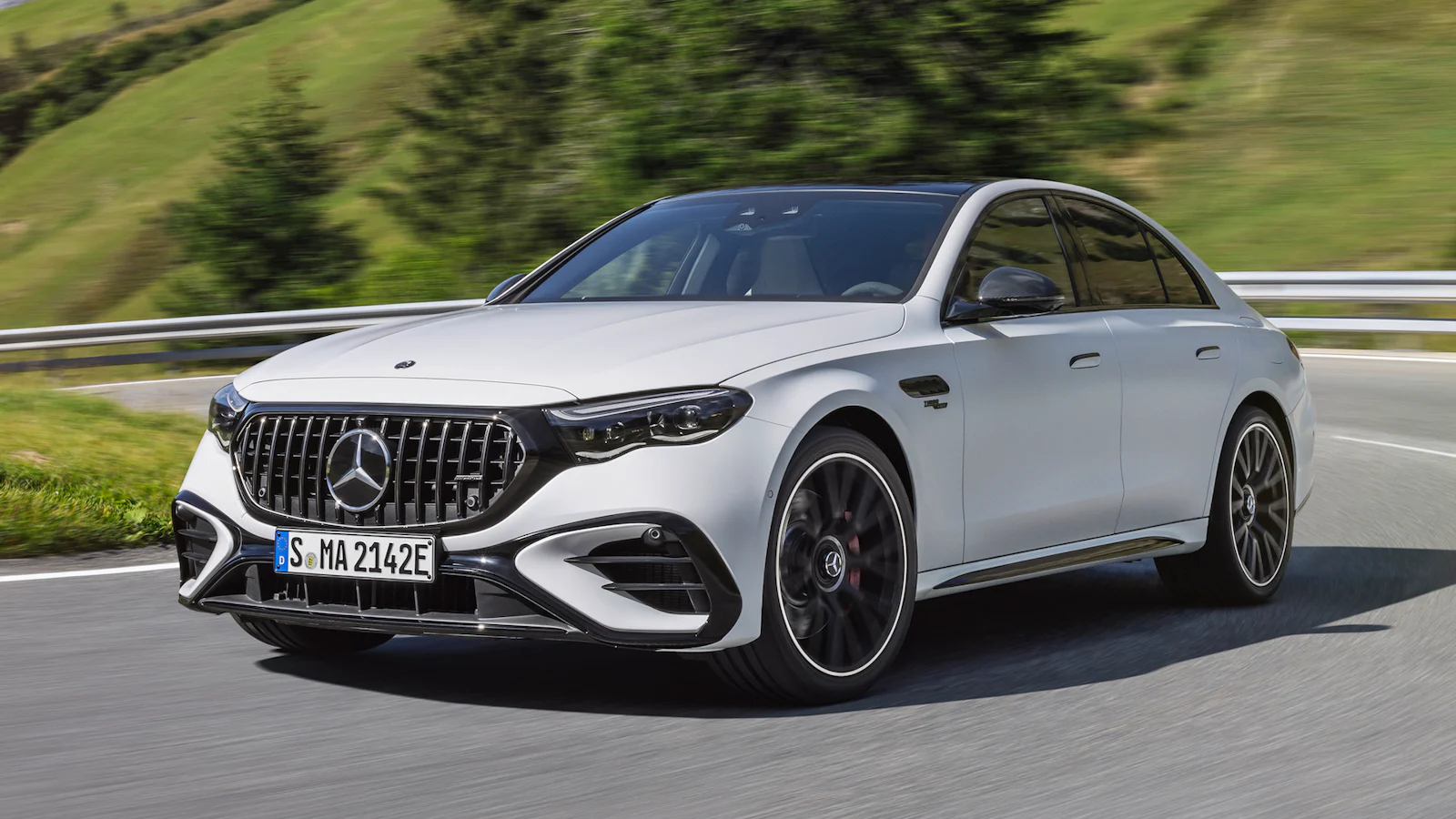
Performance is slightly different from the other areas because it reflects the character of the vehicle.
Insurers consider things such as:
- Power
- Acceleration
- Weight
- Vehicle value
A high-performance sports car will naturally have a different risk profile from a small family vehicle.
That does not make it a poor choice, but rather it shows that different vehicles create different risks.
Townsend explains: “If I go and get a Porsche 911, I’m going to expect that it is probably a slightly higher-risk car and I’d probably expect to pay slightly more in insurance because it’s a high-performance vehicle.”
However, owners would also expect that if something does happen, the vehicle can be repaired properly.
Why new cars need better risk data
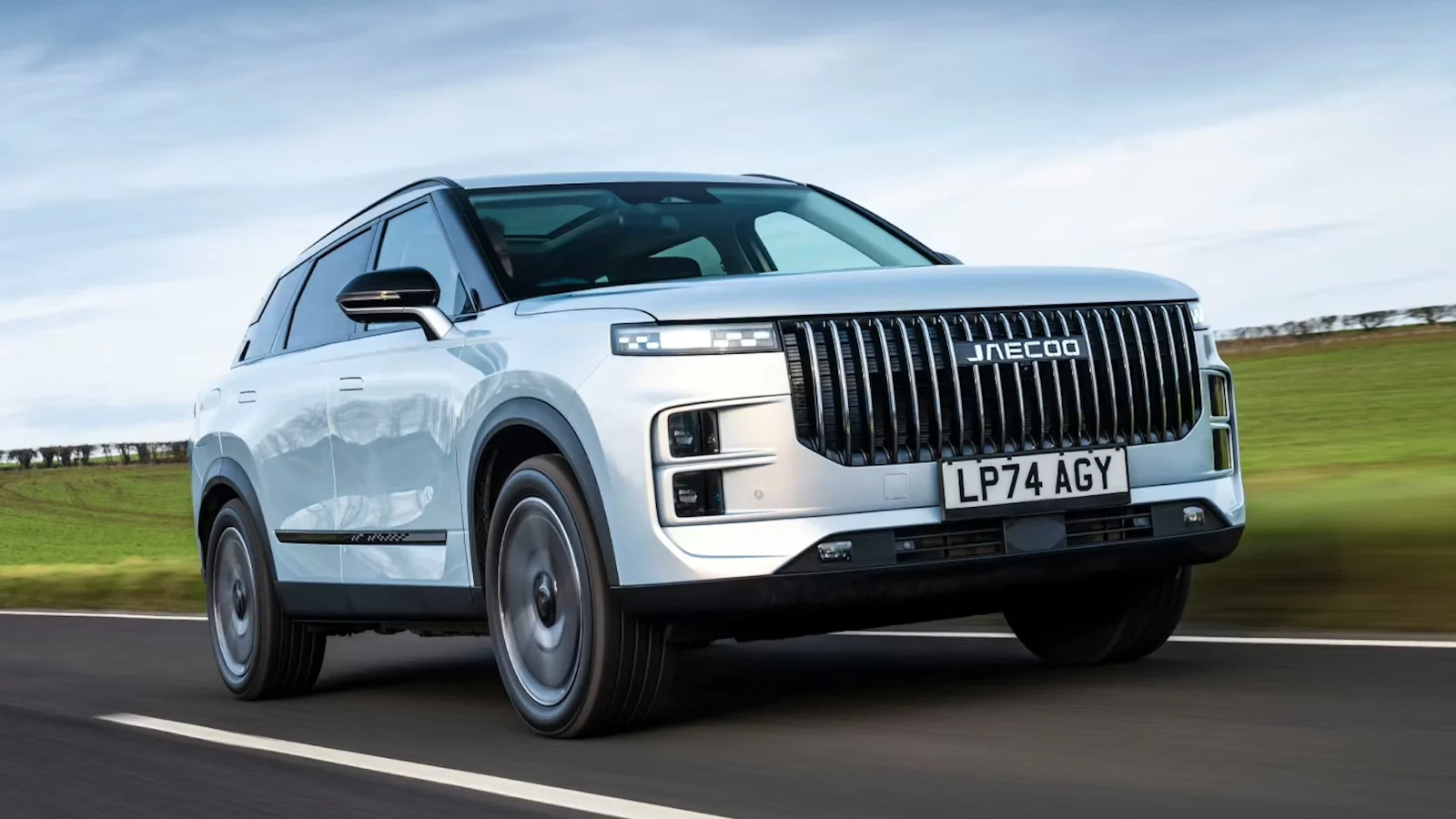
The way vehicles are built is changing rapidly.
Electric cars, advanced materials, new safety technology and software-driven systems mean that insurers cannot always rely on historical information.
This is particularly important for newer brands entering the UK market.
“When you’re talking about unfamiliar cars and unfamiliar brands, the data that we have becomes more and more critical because they don’t have access to other points,” Townsend says.
Even established manufacturers are facing the same challenge.
“We’re seeing so much change in terms of materials and powertrains and different performance figures that even the historical data insurers may have on brands we all know and love is becoming less relevant.”
Why manufacturers are thinking about insurance earlier
Historically, insurance was often considered after a vehicle had been designed.
That is changing.
Manufacturers are increasingly working with organisations such as Thatcham Research to understand how design decisions affect real-world ownership costs.
For example, improvements to low-speed crash structures can significantly reduce repair costs.
Townsend highlights work carried out with Chinese brand AION, which is new to the UK market, where changes to vehicle structures helped reduce repair times.
“Through the work that we’ve done with AION UK, we’ve reduced repair hours by 50%. So we’ve halved the number of hours, and it brings that vehicle into what you would expect in the marketplace.”
The next generation of vehicles is likely to place even greater focus on being safe, secure and easy to repair.
What does this mean for you
For consumers, better vehicle risk assessment should mean more accurate insurance pricing and fewer unpleasant surprises.
The cheapest car to insure will not always be the cheapest vehicle to buy, and the most expensive car will not always be the riskiest.
Instead, insurers are increasingly looking at the complete picture, answering questions like:
- Is the vehicle safe?
- Is it secure?
- Does it avoid unnecessary damage?
- Can it be repaired quickly?
- Does its technology work in the real world?
As cars become more advanced, understanding these factors will become increasingly important.
Car change? Carwow!
Looking for a new set of wheels? With Carwow you can sell your car quickly and for a fair price – as well as find great offers on your next one. Whether you’re looking to buy a car brand new, are after something used or you want to explore car leasing options, Carwow is your one stop shop for new car deals.
Click here to follow us on WhatsApp, where you can keep up-to-date with all the latest news, reviews, advice guides and videos.
Compare cars using Carwow