The true hidden costs of buying a car on finance
June 20, 2026 by Siobhan Doyle

Car finance isn’t just about the monthly payments – hidden fees, interest, and depreciation can add up fast. Here’s what you’re really paying.
Most car finance deals look straightforward on the surface, but the real cost goes far beyond the monthly payment.
From interest fees to depreciation and end-of-term charges, this guide breaks down what you’re actually paying – and how to avoid the surprises that can quietly add hundreds or even thousands to the total cost.
Remember, you can buy a brand new or used car right here on Carwow. And you can sell your car, too. We’re here to help you through every step of your car-changing journey.

1. Depreciation and negative equity
One of the biggest hidden costs of car finance is how quickly a car loses value compared to what you still owe.
New cars may lose around 15-35% of their value in the first year. After that initial drop, depreciation typically slows to around 10-15% per year from the start of year two.
If your outstanding finance is higher than the car’s market value, you are in negative equity. This can be a problem if you want to sell, part-exchange, or change cars early, as you may need to pay the difference yourself.
To avoid this, we’d recommend that you:
- Avoid very low deposit deals where possible
- Choose cars with strong resale value
- Keep finance terms as short as comfortably affordable
- Avoid borrowing more than the car is realistically worth long-term
2. APR is the real cost of borrowing
One of the most important but often overlooked parts of car finance is the APR (Annual Percentage Rate).
This shows the true yearly cost of borrowing, including interest and lender fees. Even small differences in APR can have a big impact on the total amount you repay.
Many buyers focus only on monthly payments, but APR determines the overall cost of the agreement. A deal that looks affordable each month can end up much more expensive over the full term. In short, the higher the APR, the more you’ll end up paying.
To avoid overpaying for your car:
- Always compare APR, not just monthly cost
- Be cautious of “low monthly payment” marketing
- Check independent comparisons before committing
- Look at the total amount repayable, not just the headline rate
3. Mileage limits
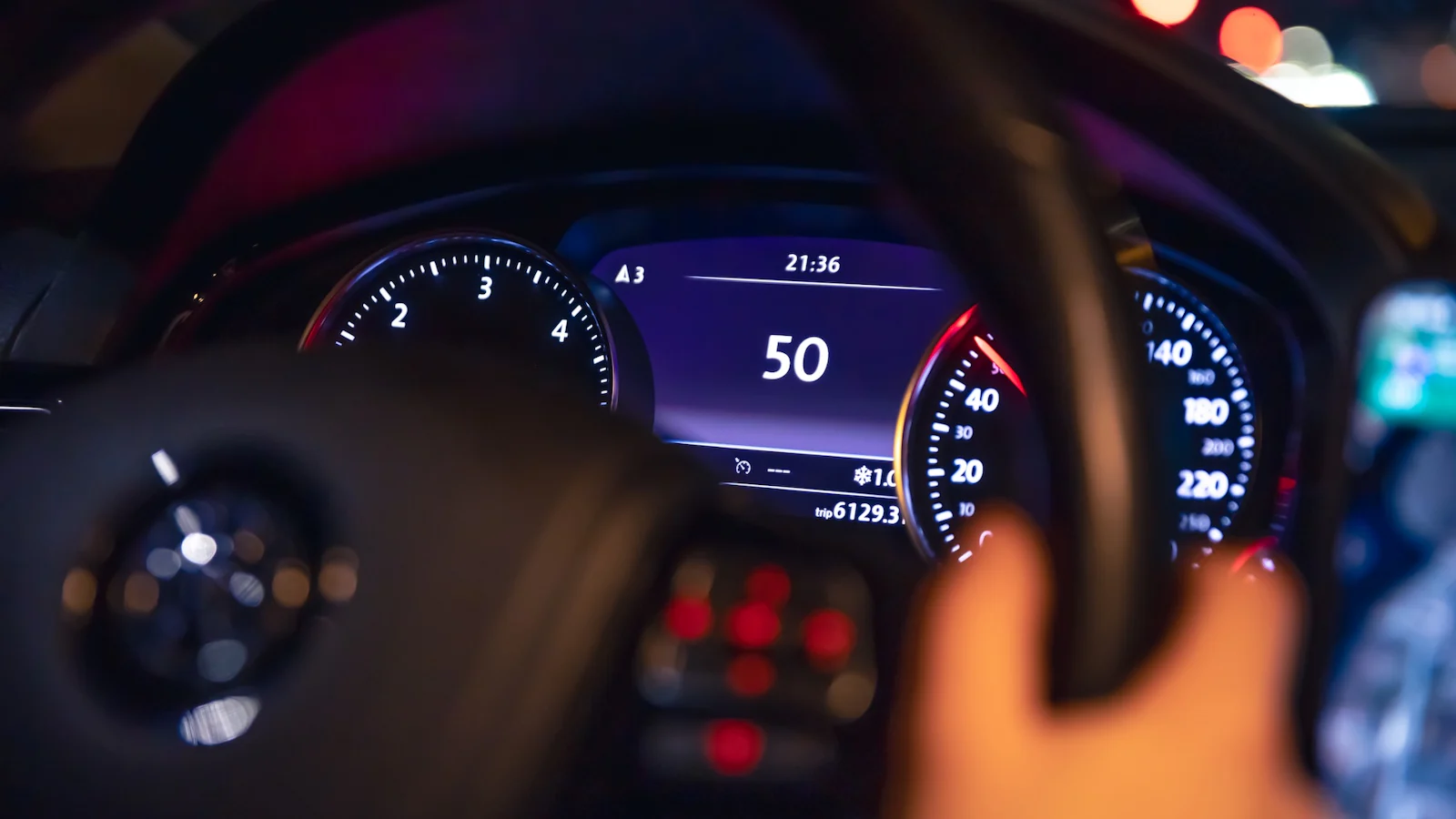
Some finance agreements include a set annual mileage limit agreed at the start.
Going over your agreed mileage can result in extra charges, often ranging from a few pence up to £0.30 per mile. Over time, this can add up to hundreds or even thousands of pounds.
One way to avoid these charges is to be realistic about your driving habits – including commuting, holidays, and lifestyle changes – before setting your mileage limit. It’s better to overestimate your mileage and add a few pounds a month to the finance agreement than it is to go over the limit and pay the additional fees.
4. Damage and condition charges
If you plan to return your financed car or have it inspected, it must meet the agreed condition standards for “fair wear and tear”.
Small issues such as dents, scratched alloys, or interior stains can lead to costly repair charges, often higher than independent repair costs.
Get an independent inspection done before returning the vehicle so you can fix minor damage more cheaply in advance.
5. Early settlement fees
If you decide to pay off your finance early, you may be charged an early settlement fee. These fees can be equivalent to up to around 58 days’ interest, compensating the lender for lost earnings.
To avoid this fee, check its early repayment terms before signing. In the UK, you may also have the legal right to voluntarily end a Hire Purchase agreement once 50% of the total amount payable has been paid.
6. Option to buy fees
A Personal Contract Purchase (PCP) agreement usually offers lower monthly payments than HP because you aren’t paying off the car’s full value during the agreement. Instead, part of the cost is left until the end as an optional final “balloon payment”.
At the end of the agreement, you can either return the car, use any equity towards a new car, or keep it by making the balloon payment and taking ownership.
Some lenders charge an additional Option to Purchase fee, typically around £150-£200, added on top of the final payment.
Ask for a full breakdown of all end-of-agreement charges before signing over the dotted line so there are no surprises later.
Car change? Carwow!
Looking for a new set of wheels? With Carwow you can sell your car quickly and for a fair price – as well as find great offers on your next one. Whether you’re looking to buy a car brand new, are after something used or you want to explore car leasing options, Carwow is your one stop shop for new car deals.
Click here to follow us on WhatsApp, where you can keep up-to-date with all the latest news, reviews, advice guides and videos.
Compare cars using Carwow