How long does a turbocharger last?
September 14, 2026 by Siobhan Doyle

A turbocharger can last for many years, but how you drive and maintain your car can make a big difference. Here’s how long a turbo should last, the warning signs to look for and what happens if it fails.
Turbochargers work hard, spinning at incredibly high speeds and dealing with extreme heat. So, how long should you expect one to last?
With the right maintenance, a turbo can last for many years, but problems can develop if it’s neglected or something else goes wrong. This guide walks you through how long a turbo should last, the warning signs of failure and what it costs to replace.
Remember, you can buy a brand new or used car right here on Carwow. And you can sell your car, too. We’re here to help you through every step of your car-changing journey.
What does the turbocharger do in a car?

A turbocharger is designed to help your car produce more power without needing a larger engine.
It uses energy from the engine’s exhaust gases to spin a turbine. This turbine is connected to a compressor, which pushes more air into the engine. With more air available, the engine can burn more fuel and produce more power.
Turbochargers are now common in both petrol and diesel cars. They can improve performance and, in some cases, help make an engine more efficient.
How long does a turbocharger last?
There’s no fixed lifespan or mileage at which a turbocharger should be expected to fail. A well-maintained turbo can last for the life of the car, while a poorly maintained or heavily used one may develop problems much sooner.
As a rough guide, many turbochargers can last well beyond 100,000 miles, although some may need replacing earlier and others can last considerably longer.

Factors that affect the lifespan of a turbocharger
Several factors can affect how long a turbocharger lasts, including:
- Driving habits: Repeated hard acceleration, particularly when the engine is cold, can put additional stress on the turbo.
- Engine oil: A turbo relies on clean, good-quality oil for lubrication and cooling. Old or contaminated oil can cause premature wear.
- Servicing: Sticking to the manufacturer’s servicing schedule can help identify problems before they become serious.
- Short journeys: Frequent short trips can make it harder for the engine and oil to reach their ideal operating temperature and can contribute to oil contamination over time.
- Cooling down: After sustained high-speed driving, allowing the engine to run for a short time before switching it off can help some turbocharged engines manage heat, although modern cars often have systems designed to handle this automatically.
- Underlying problems: A turbo can fail because of another engine problem, such as oil starvation, a restricted air intake or issues with the exhaust system.
How often should you replace the turbocharger?
Unlike items such as engine oil, brake pads and cambelts, there generally isn’t a universal replacement interval for a turbocharger. So long as it’s working properly and it isn’t showing signs of wear, it can usually stay in the car.
Instead, your turbo should be inspected if you notice a problem or if a mechanic identifies an issue during servicing.
Signs your car’s turbocharger may be failing
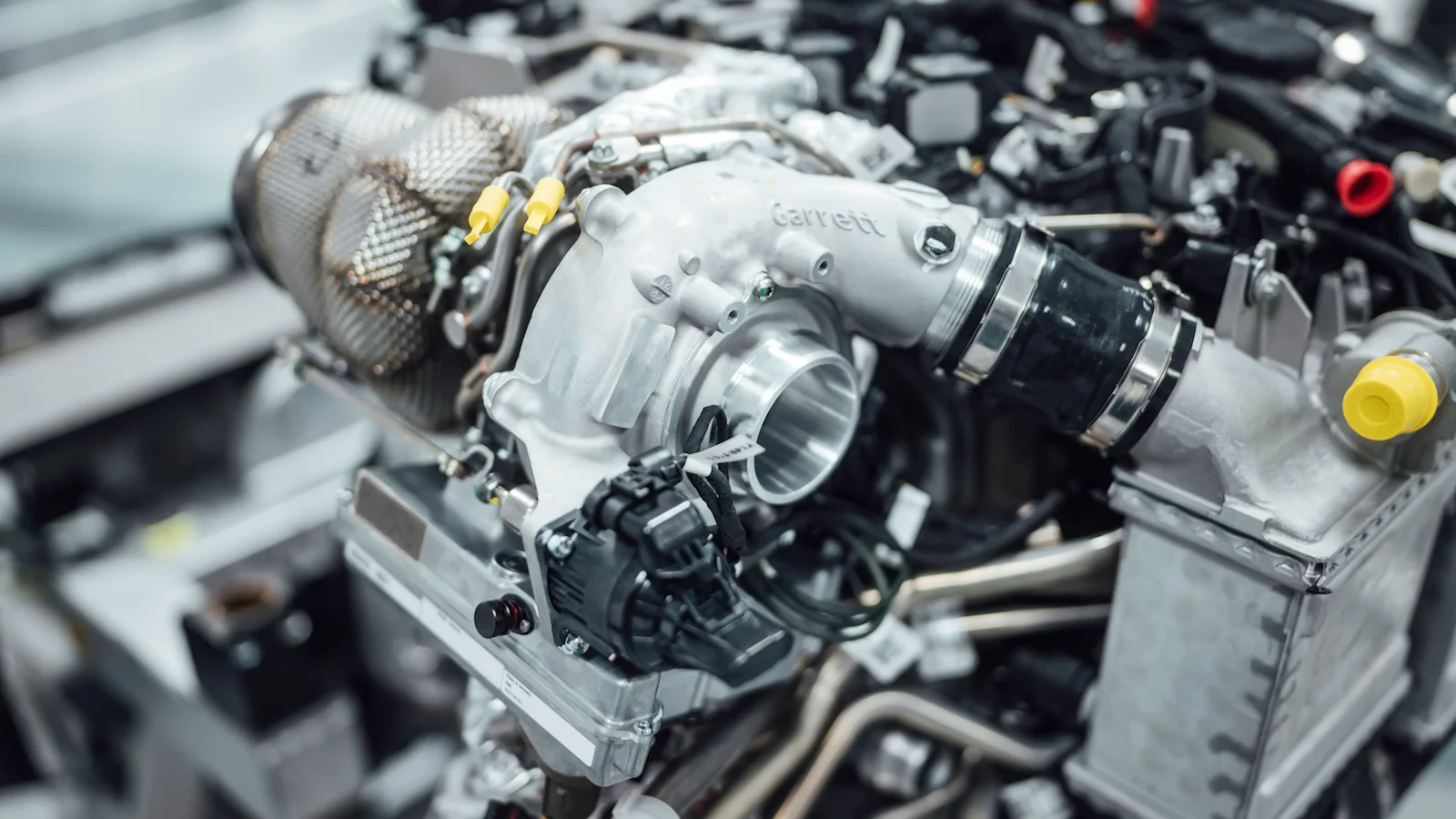
If you spot one or more of the following, it’s worth getting your car checked by a qualified mechanic.
- Loss of power: If your car suddenly feels much slower than usual, particularly when accelerating, there could be a problem with the turbo or another part of the engine’s air or exhaust system.
- Whistling or unusual noises: A loud whistling, whining or siren-like noise from the engine bay can indicate an issue.
- Excessive exhaust smoke: Blue or grey smoke from the exhaust can be a sign that oil is getting into the engine’s combustion system.
- Engine warning light: A turbo-related fault can trigger the engine management warning light. This doesn’t necessarily mean the turbo itself has failed, as sensors, hoses and other components can also cause similar faults.
How much does a turbocharger change cost?
A turbocharger replacement costs anywhere between £800 to £2,500, according to FixMyCar. This, however, depends on the car, the turbo itself and how difficult it is to access.
Car change? Carwow!
Looking for a new set of wheels? With Carwow you can sell your car quickly and for a fair price – as well as find great offers on your next one. Whether you’re looking to buy a car brand new, are after something used or you want to explore car leasing options, Carwow is your one stop shop for new car deals.
Want to see the latest car content first? Add Carwow as a preferred source here. Click here to follow us on Reddit, where you can keep up-to-date with all the latest news, reviews, advice guides and videos.
Compare cars using Carwow