How often should you service your electric car?
March 28, 2026 by Siobhan Doyle

Electric cars may skip oil changes, but they still need regular checks on essentials such as brakes, tyres and battery health. Here’s how often to service your EV – and what to look out for.
Your electric car may not have a traditional engine, but it still needs regular care to stay in top shape. Instead of spark plugs and oil changes, EVs rely on key systems such as the battery, brakes, tyres and cooling system to keep you moving smoothly and safely.
These parts still wear over time. Everyday driving, road conditions and even how you charge your car can affect performance. That’s why regular servicing is important, as it helps you catch small issues before they become bigger problems.
This guide explains how often you should service your electric car, what’s actually checked during a service, and the warning signs to look out for – so you can keep your EV running efficiently and with confidence.
Remember, you can buy a brand new or used electric car right here on Carwow. We’re here to help you through every step of your car-changing journey.
How often should you service your electric car?
Most electric cars should be serviced once a year or every 10,000-20,000 miles (whichever comes first). Every car is different, though, so make sure you consult your owner’s handbook to find out what the manufacturer recommends for your vehicle.
Although EVs don’t have as many moving parts as a car with a combustion engine, they still need regular servicing to ensure they remain safe and efficient. As a general rule, annual servicing is standard for most EVs, but you should always follow your manufacturer’s recommended schedule.
Why is it important to service your electric car?
Servicing your electric car is important to keep it safe, reliable, and running efficiently. Regular maintenance helps protect battery health and ensures the vehicle continues to perform as intended over time.
It can also be required to keep your warranty valid, helps identify potential issues early, and can reduce the risk of costly repairs in the future. Overall, routine servicing helps extend the lifespan of your electric car and maintain its value.
What does a routine electric car service include?
So what happens during a routine electric car service? Here are six key things you can expect to be included:
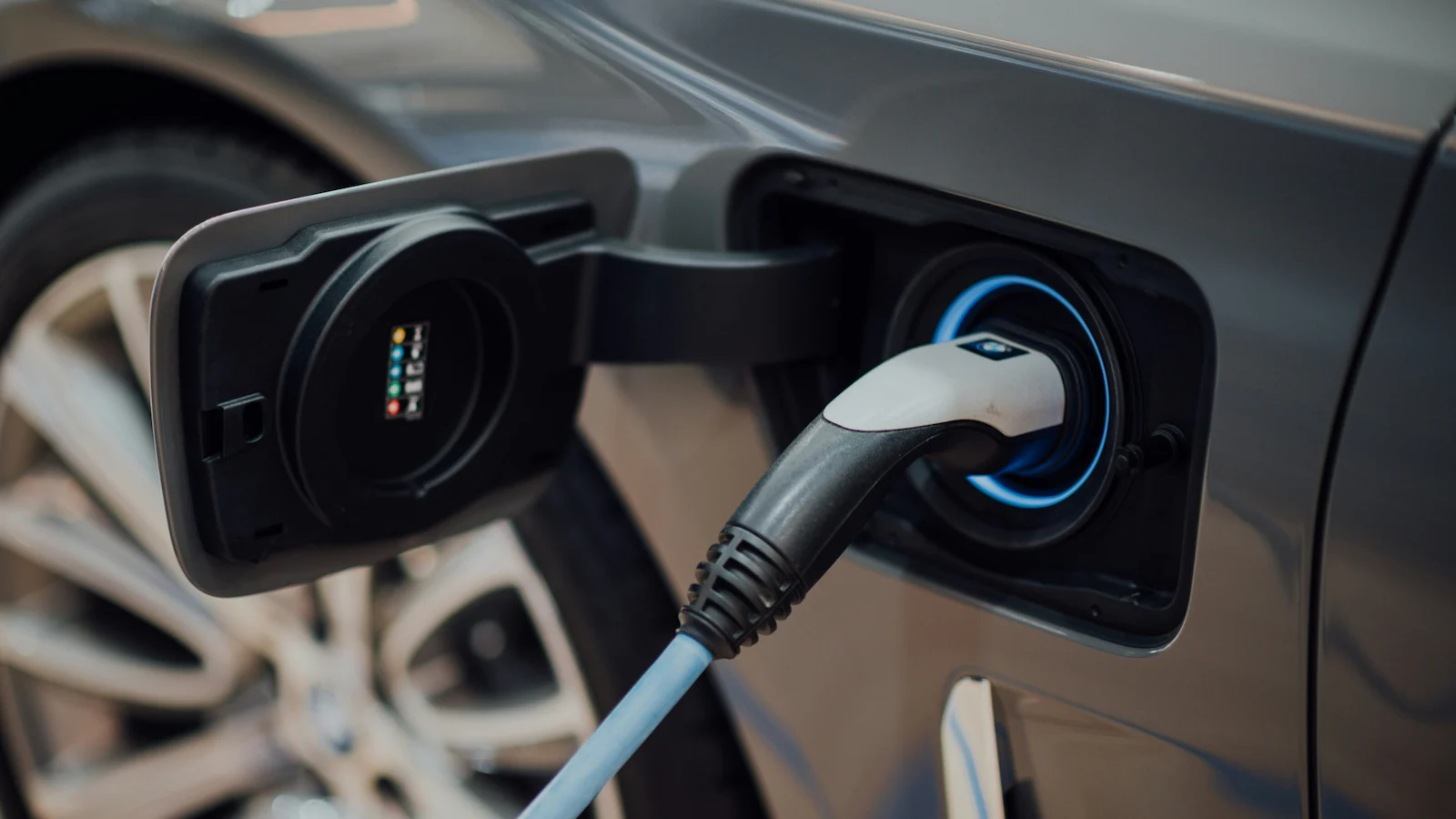
- Diagnostics are carried out on the high-voltage battery to assess its health and performance. The charging port and high-voltage cables are also inspected for signs of wear or damage.
- The battery cooling system is checked, including coolant levels and overall condition, to help prevent overheating and maintain efficiency.
- Even though regenerative braking reduces wear, brakes are still checked for corrosion or damage. Brake fluid may also be tested and replaced if necessary.
- Tyres are inspected for tread depth and uneven wear, while suspension components are checked to ensure safe handling and ride comfort.
- Vehicle software is checked and updated if needed, and the cabin air (pollen) filter is usually replaced to maintain good in-car air quality.
- Key safety features such as lights, wipers, and the horn are inspected to ensure they are working correctly.
What affects how often you should service your electric car?
How often you service your electric car depends on seven key factors:
- The manufacturer sets a recommended service interval (for example, every year or every 10,000 to 20,000 miles), which is the baseline you should follow.
- Smooth, steady driving is easier on your car. Hard acceleration, heavy braking, and fast cornering can lead to faster tyre wear and more frequent checks for brakes and suspension.
- EVs use regenerative braking to slow down and reduce wear on brake pads. However, regular use of the normal brakes is still needed to prevent rust and sticking, especially in wet conditions.
- High mileage, daily commuting, or stop-start city traffic can increase wear on tyres, brakes, and suspension – meaning you may need checks more often than the standard service interval.
- Frequent rapid charging can put more stress on the battery over time compared to slower home or workplace charging, which may lead to more frequent battery health checks.
- Extreme heat, cold, or very damp conditions can affect battery performance and overall wear, sometimes requiring more regular inspections or battery monitoring.
- Electric cars rely heavily on software. Updates (often over-the-air) can improve performance, efficiency, and battery management, and may sometimes require servicing outside of normal intervals.
What are the signs you should get your car checked outside of the usual servicing window?
Your electric car may need servicing if you notice any of the following warning signs:
- If your car suddenly can’t travel as far on a full charge, it could indicate battery degradation or a battery system issue.
- Unusual noises such as humming, whining, or grinding sounds during driving or slowing down can point to problems with the motor or drivetrain.
- Any battery, powertrain, or cooling system warning lights on the dashboard should be checked as soon as possible.
- If charging takes much longer than usual or fails altogether, there may be an issue with the charging system or cable.
- If the car feels less responsive or struggles to accelerate, it may need diagnostic checks on the motor or electronics.
- Spongy brakes, squeaking, or reduced stopping power can happen if brake components are worn or underused.
- EVs are heavy and deliver instant torque, which can lead to tyres wearing out faster or unevenly.
- Any coolant-related warning lights or visible leaks should be treated seriously, as EVs rely on cooling systems for the battery and electronics.
What happens if you delay servicing your electric car?
Delaying EV servicing usually won’t cause sudden failure, but it can lead to:
- Reduced range and performance
- Higher repair costs over time as small issues get worse
- Safety risks from worn brakes, tyres, or suspension
- Charging or battery problems going unnoticed
- Less reliable driving with a higher chance of breakdowns
How much does electric car servicing cost?
The cost of servicing an electric car is usually quite affordable and often lower than a petrol or diesel car. On average, an EV service costs between £100 and £250, depending on the make and model, according to vehicle repair company BookMyGarage.
Do electric cars need less servicing than petrol or diesel cars?
Yes, electric cars generally need less servicing than petrol or diesel cars. This is because EVs have fewer moving parts and don’t require things such as engine oil changes, spark plugs, or exhaust system maintenance. As a result, there are simply fewer components that can wear out or need regular servicing.
Electric car servicing FAQs
Do electric cars need servicing every year?
Like all cars, electric cars need regular servicing – often annually or at set mileage intervals – to maintain warranty coverage and ensure safety.
Do electric cars need MOT tests in the UK?
Yes. Electric cars must have an MOT test every year once they are over three years old, just like petrol and diesel cars. The MOT includes checks on key safety items such as brakes, tyres, lights, steering, and also EV-specific components like high-voltage cables and the charging system.
How often do EV batteries need checking?
EV batteries should be checked fairly often – the best time is during the car’s regular service, using diagnostic tools to monitor battery health.
Can you service an electric car at any garage?
No. Electric cars should be serviced at garages that are trained and equipped to work on high-voltage systems, such as authorised dealers or EV-certified independent garages.
Are electric car servicing costs cheaper than petrol or diesel cars?
Yes, electric cars are generally cheaper to service than petrol or diesel cars.
Data from EV charging company Pod shows the average cost of a full EV service is around £143.75. For comparison, car repair comparison site WhoCanFixMyCar reports that the average service cost for a petrol or diesel car is £174.23 – around 18% higher than an EV.
Does servicing an EV improve battery life?
Yes, regular servicing can help improve or protect an EV’s battery life. It keeps the cooling system working properly, ensures battery software is up to date, and helps catch early issues like cell imbalance before they worsen.
Car change? Carwow!
Looking for a new set of wheels? With Carwow you can sell your car quickly and for a fair price – as well as find great offers on your next one. Whether you’re looking to buy a car brand new, are after something used or you want to explore car leasing options, Carwow is your one stop shop for new car deals.
Click here to follow us on WhatsApp, where you can keep up-to-date with all the latest news, reviews, advice guides and videos.
Compare cars using Carwow