The risky driving behaviours children pick up from their parents


Car changing is a big deal


You might not realise it, but your child could be copying your driving habits…
Children are routinely exposed to an average of four bad driving habits from their parents before they are even old enough to drive themselves, according to new research.
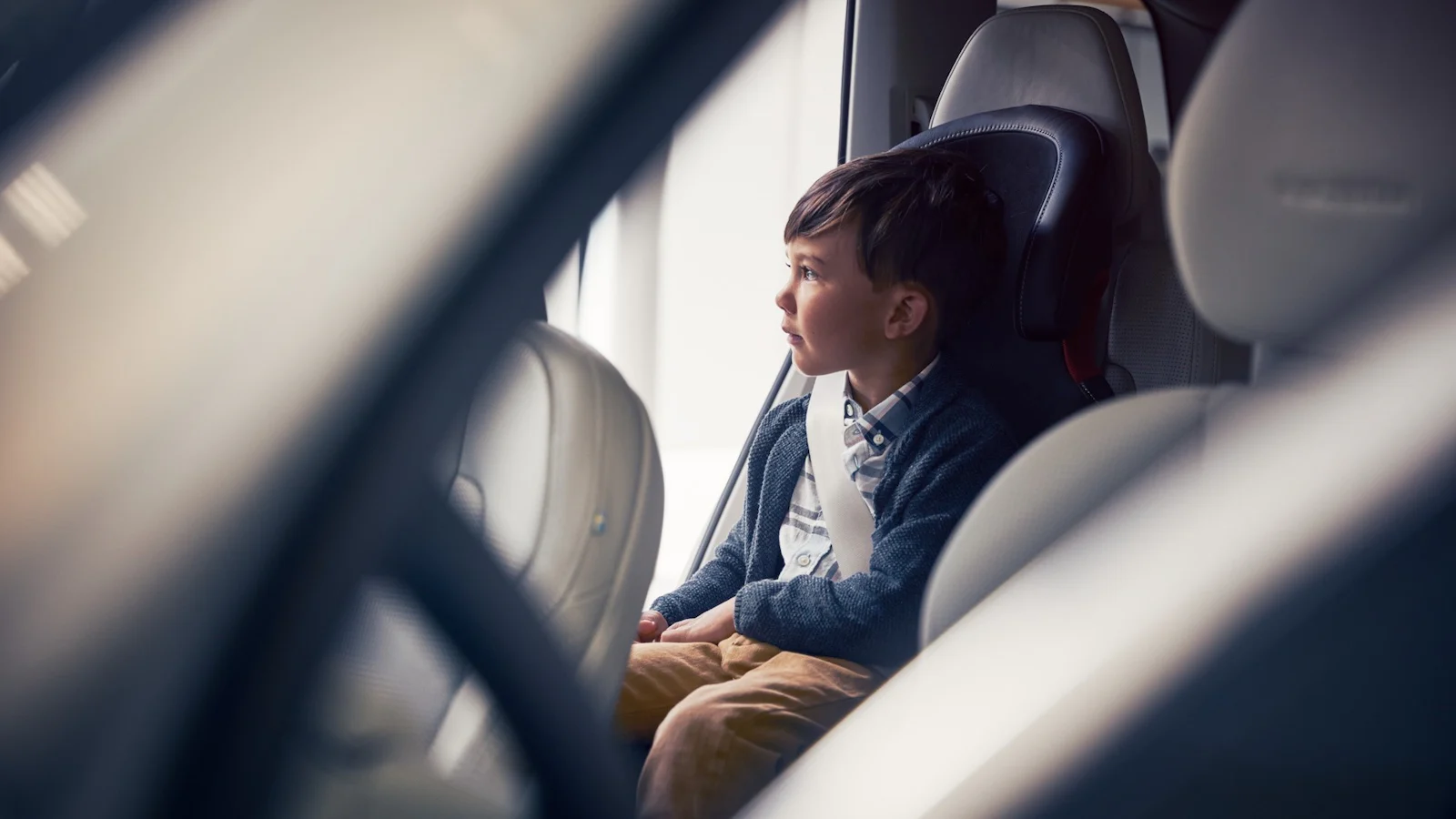
A survey of 1,000 UK parents by pre-17 driving school Young Driver found that children spend almost four hours a week in the car with their parents. Over a childhood, that adds up to more than 3,400 hours of time watching driving behaviour from the front or back seat.
While much of what children see is harmless, most parents admit to at least some bad habits behind the wheel – and many are doing things they would not want their children to copy, according to the research.
Just 13% of parents claim they have no bad driving habits at all. On average, mums and dads admitted to four or five behaviours they consider poor practice, while one in 10 said they regularly show 10 or more different bad habits.
The most commonly witnessed habits include changing music while driving (53%), eating at the wheel (48%), speeding (35%) and glancing at a phone (29%). Other frequent behaviours include taking drinks while driving, failing to indicate, not checking blind spots and tailgating.
More serious actions were reported by Young Driver, including taking calls without hands-free devices (11%), failing to stop at a zebra crossing (11%), getting too close to cyclists (10%) and overtaking without clear visibility (6%).
Remember, you can buy a brand new or used car right here on Carwow. And you can sell your car, too. We’re here to help you through every step of your car-changing journey.
Why do children pick up these habits?

Children pick up driving habits from parents mainly through long-term observation and imitation, acting as “sponges” in the back seat for years. They internalise a parent’s driving style – both good and bad – long before they start driving, treating it as normal behaviour.
Ian Mulingani, managing director of Young Driver, backs this: “Children are like sponges. They absorb everything they see, including how their parents drive. The problem is, even seemingly ‘small’ bad habits can become ingrained long before they ever take their test.”
Studies also suggest that a parent’s driving style (aggressive, cautious, etc.) closely predicts their child’s, implying that behaviors are passed down rather than just taught formally.
The study also pointed out a few more trends
The study also found regional differences in driving habits. Parents in Glasgow were least likely to admit to bad habits, with 19% claiming they had none, while those in Plymouth were the most likely, with 96% of drivers surveyed admitting to at least one.
Time spent in the car also varied, with parents in Cardiff spending the most time driving with their children each week, averaging around 6 hours 15 minutes per week, whilst Sheffield parents spend the least at 2 hours 43 minutes per week.
The research also suggests differences between mums and dads. Women were more likely to admit to behaviours such as speeding, eating or changing music while driving, while men were more likely to admit to high-risk actions such as tailgating, unsafe overtaking and driving too close to cyclists.
What should parents do?
The findings from the Young Driver survey are a stark reminder that everyday driving habits matter more than many parents realise, especially when children are watching closely.
We’d recommend you model calm, consistent and distraction-free driving wherever possible. That includes avoiding phone use at the wheel, even for short glances, and setting up music or navigation before setting off.
Simple habits such as using indicators, checking mirrors and blind spots, and sticking to speed limits can have a lasting impact on children who are learning what responsible driving should look like.
It can also help talking openly while driving, explaining decisions such as slowing down, giving way, or waiting for a safe gap in traffic. This will help your children understand not just what safe driving looks like, but why it matters.
Reducing in-car distractions – such as eating, multitasking, or adjusting controls while moving – can also help reinforce safer behaviour.
Building good habits early can reduce the chances of children copying what they see you do behind the wheel, long before they take their driving test.
Car change? Carwow!
Looking for a new set of wheels? With Carwow you can sell your car quickly and for a fair price – as well as find great offers on your next one. Whether you’re looking to buy a car brand new, are after something used or you want to explore car leasing options, Carwow is your one stop shop for new car deals.
Click here to follow us on WhatsApp, where you can keep up-to-date with all the latest news, reviews, advice guides and videos.