5 everyday driving habits that could lead to big fines
May 03, 2026 by Siobhan Doyle

These five driving habits could result in hefty fines, penalty points, or even a driving ban under UK road laws. Here’s what they are, and how to avoid them.
From tiredness behind the wheel to unsecured pets and casual snacking, everyday driving habits can quickly tip from “harmless” to illegal or dangerous. UK road rules are clear that distraction, poor preparation and unsafe loads all increase risk – and penalties can be severe.
Here are five things you may be overlooking on the road, what the law says about them, and how to stay on the right side of it.
1. Driving while tired

Driving when severely fatigued is one of the most dangerous habits on the road. Research from road safety charity Brake suggests tiredness is a factor in around 10-20% of all collisions, often because reaction times and judgement are significantly reduced.
Under Rule 91 of the Highway Code, drivers are advised not to begin a journey if they are tired and to ensure they are well rested before long trips.
Fatigue can contribute to dangerous driving, and penalties for this can escalate quickly:
- An unlimited fine
- Driving ban
- A life imprisonment if there’s a death
We advise planning rest breaks at least every two hours on long trips. Avoid setting off early in the morning or late at night where possible. Try to get a full night’s sleep beforehand, and share the driving on longer journeys if you can.
2. Overloading your car
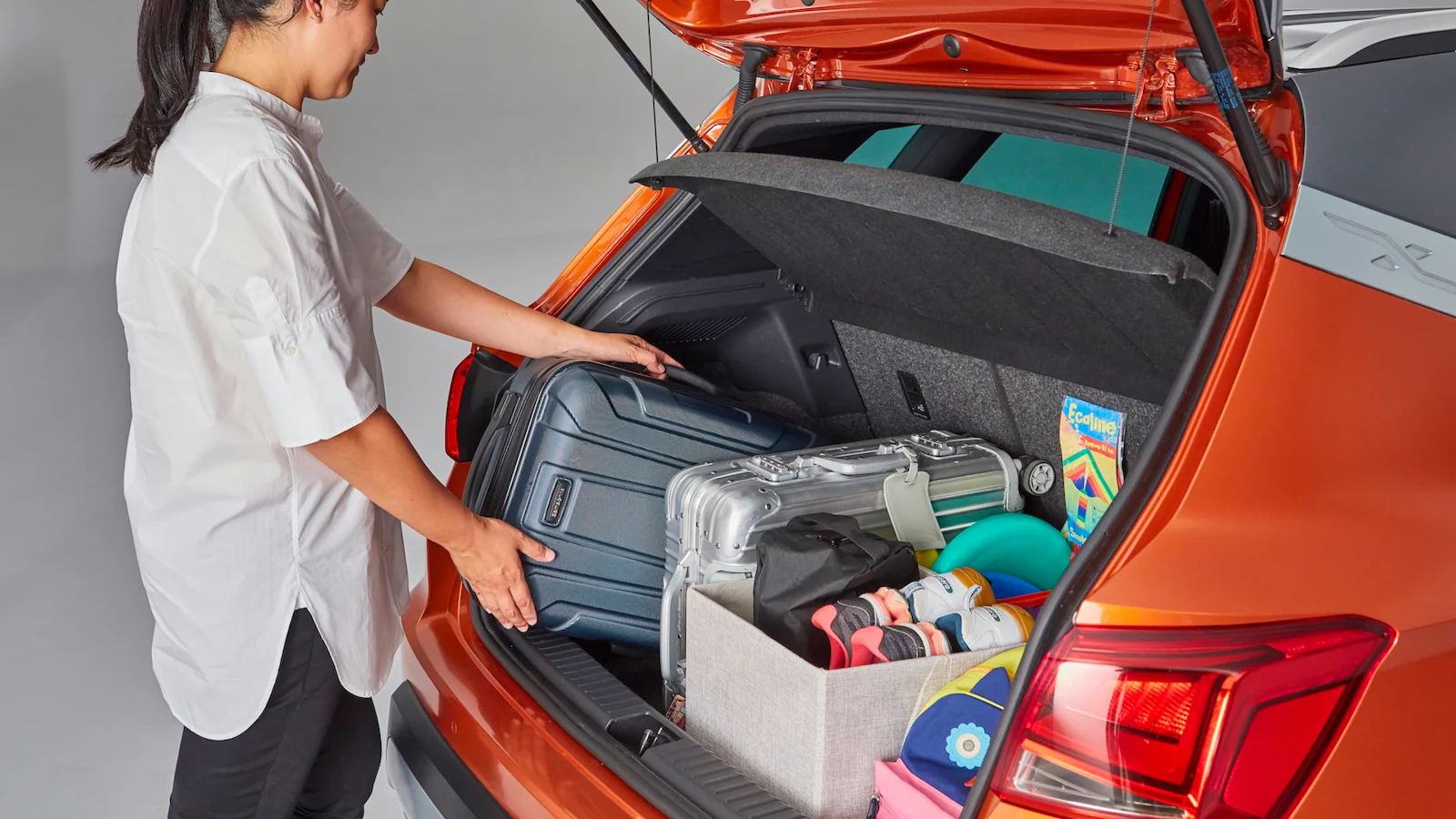
Putting too much weight in your vehicle doesn’t just affect its fuel economy – it can seriously impact safety. Overloading can make steering less responsive, increase braking distances, and place excessive strain on tyres and suspension.
Rule 98 of the Highway Code states drivers must not overload vehicles beyond manufacturer limits.
Here are some penalties you can expect for overloading, according to DVSA enforcement guidelines:
- Up to a £300 fine for overloading by 15% or more
- Three penalty points
- Possible invalidation of insurance if an accident occurs
To avoid fines, check your vehicle’s maximum load in the handbook or inside the door frame. Distribute weight evenly across the boot and seats, and remove unnecessary items before long trips. Take extra care when carrying passengers and luggage together.
3. An unsecured pet

Letting a pet roam freely in your car might seem harmless, but it can quickly become a serious safety risk if you have to brake suddenly or are involved in a collision.
Under Rule 57 of the Highway Code, animals must be suitably restrained so they cannot distract the driver or be injured. It also recommends restraints such as seat belt harnesses, pet carriers, dog cages and boot guards.
There’s no specific fine for having an unrestrained pet in your car, but if it distracts you while driving, you could be charged with driving without due care and attention.
This can result in:
- A £1,000 fine and penalty points
- Up to £5,000 fine if the case goes to court
- Up to nine penalty points on your licence
We recommend testing any restraints for comfort and security before taking your pet on long journeys. Keep them in the back seat or boot space – never the front seat – and take regular breaks on longer trips for exercise and water.
4. Unsecured phones or sat-navs
Using a phone or sat-nav while driving is common, but how it’s used matters. Holding any device while driving or stationary in traffic is illegal.
Rule 149 of the Highway Code prohibits holding and using handheld devices, including phones, tablets and sat-navs. Penalties include:
- £200 fine
- Six penalty points
- Lose your licence if you passed your driving test in the last two years
Always mount your phone securely before setting off and set navigation routes in advance. We’d also advise using hands-free controls where permitted, and making sure your devices don’t block your view of the road.
5. Eating or drinking while driving
While not illegal in itself, eating or drinking behind the wheel can easily become a distraction. Taking hands off the wheel or attention away from the road increases accident risk, especially in heavy traffic or on longer journeys.
Rule 148 of the Highway Code advises drivers to avoid distractions and maintain full concentration. Police could also prosecute you for careless driving if you are snacking, with possible penalties including:
- An on-the-spot £100 fine
- Three penalty points
We recommend eating before you set off or during planned stops, and avoiding hot drinks or messy food while driving. Keep both hands available for steering in busy conditions, and minimise in-car distractions such as adjusting music while on the move.
Most of these risks come down to one common theme: distraction or poor preparation behind the wheel. While some habits may feel minor in the moment, the consequences – financial, legal and safety-related – can be significant. Driving safely often means planning ahead just as much as paying attention on the road.
Car change? Carwow!
Looking for a new set of wheels? With Carwow you can sell your car quickly and for a fair price – as well as find great offers on your next one. Whether you’re looking to buy a car brand new, are after something used or you want to explore car leasing options, Carwow is your one stop shop for new car deals.
Click here to follow us on WhatsApp, where you can keep up-to-date with all the latest news, reviews, advice guides and videos.
Compare cars using Carwow