The psychology behind road rage: why we lose our cool behind the wheel
April 18, 2026 by Siobhan Doyle

From tailgating to cutting in traffic, everyday driving moments can trigger intense emotional reactions. But road rage is rarely about the road itself – it’s about what’s going on in our minds.
Road rage isn’t just a traffic problem – it’s a human one.
With Google searches for “road rage in the UK” rising 180% year-on-year, and nearly 40% of drivers reporting experiencing it in the past year, according to an Express & Star survey, it’s clear that frustration behind the wheel is becoming more common.
So what’s really going on in our heads when a pleasant journey turns into a flashpoint? Motor insurance company Zego has partnered with psychologist Dr Lori Bohn to explore the psychological triggers behind road rage – and why so many of us unintentionally escalate it.
Why being cut off feels like a personal attack
Few things spark instant frustration like being cut off in traffic. Whether it’s a sudden lane change without indicating or a driver pulling out unexpectedly, the reaction is often immediate and emotional.
But psychologists say the problem isn’t just the behaviour – it’s how we interpret it.
Dr Bohn explains that this reaction is linked to something called ‘hostile attribution bias’, where we assume negative intent even when the situation is unclear.
In other words, instead of thinking “that was a mistake,” our brains jump to “they cut me off on purpose.” That split-second interpretation is often what turns irritation into anger.
Why other drivers stop feeling like people

Once inside a car, something subtle changes in our mindset. Other road users start to feel less like individuals and more like obstacles in our way.
This psychological distance makes it easier to detach emotionally and respond more aggressively. This is reflected in driver behaviour, with 46% admitting to swearing and 30% making aggressive gestures when frustrated, according to a survey by services company Saga.
Dr Bohn describes this as a form of psychological anonymity. The car creates a bubble where we feel less accountable and more detached from the people around us.
And when people feel anonymous, emotional restraint often drops.
Stress doesn’t stay at home – it follows you into the car
Psychologists also say road rage is rarely just about traffic… It’s often about everything else we’re carrying with us.
Research by Danish road safety tech brand Ooono found that one in four drivers report feeling stressed or emotionally overwhelmed multiple times a week, and that pressure doesn’t disappear when they start the car. It follows them onto the road.
Financial worries, time pressure, and general life stress all build a kind of emotional “load”. Driving then becomes one of the few places where that pressure can spill out.
As Dr Bohn notes, the car can become a release value for frustration that has nowhere else to go.
Why small mistakes escalate so quickly
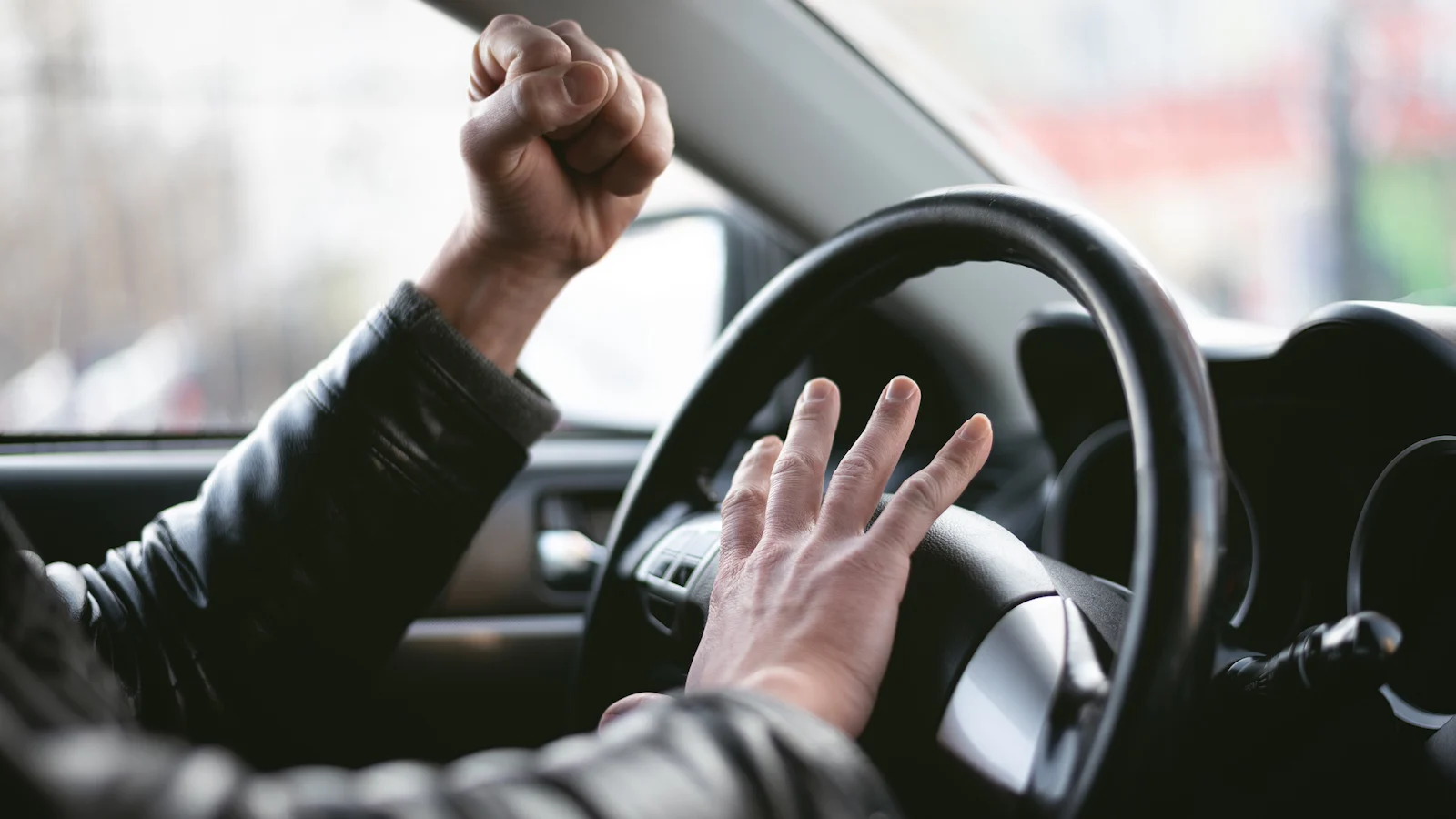
Once frustration kicks in, the brain shifts into a more reactive state. Rational thinking becomes harder, and emotional responses take over. That’s why small mistakes – such as a slow driver or a late merge – can feel disproportionately irritating in the moment.
Recognising early physical signs of frustration, such as tension or an increasing heart rate, can help interrupt the cycle before it escalates.
Driving should never feel like a competition
For many drivers, the road can start to feel like a contest: who’s faster, who’s ahead, who’s in the way. But this competitive mindset often fuels frustration rather than reducing it.
Dr Bohn suggests “reframing your approach to driving as a cooperative process as opposed to a competitive process is effective”.
Everyone is simply trying to get somewhere safely, and the more we treat it as a shared space, the less conflicts tend to arise.
How to keep calm on the road
While road rage can feel automatic, there are simple ways to regain control before things escalate.
Dr Bohn suggests “extending the duration of your exhalation over that of your inhalation three to four times through a series of breaths can send a calming signal to your nervous system”.
Other practical resets include:
- Loosening your grip on the steering wheel
- Lowering the volume of music
- Increase your following distance
The “buffer mindset”
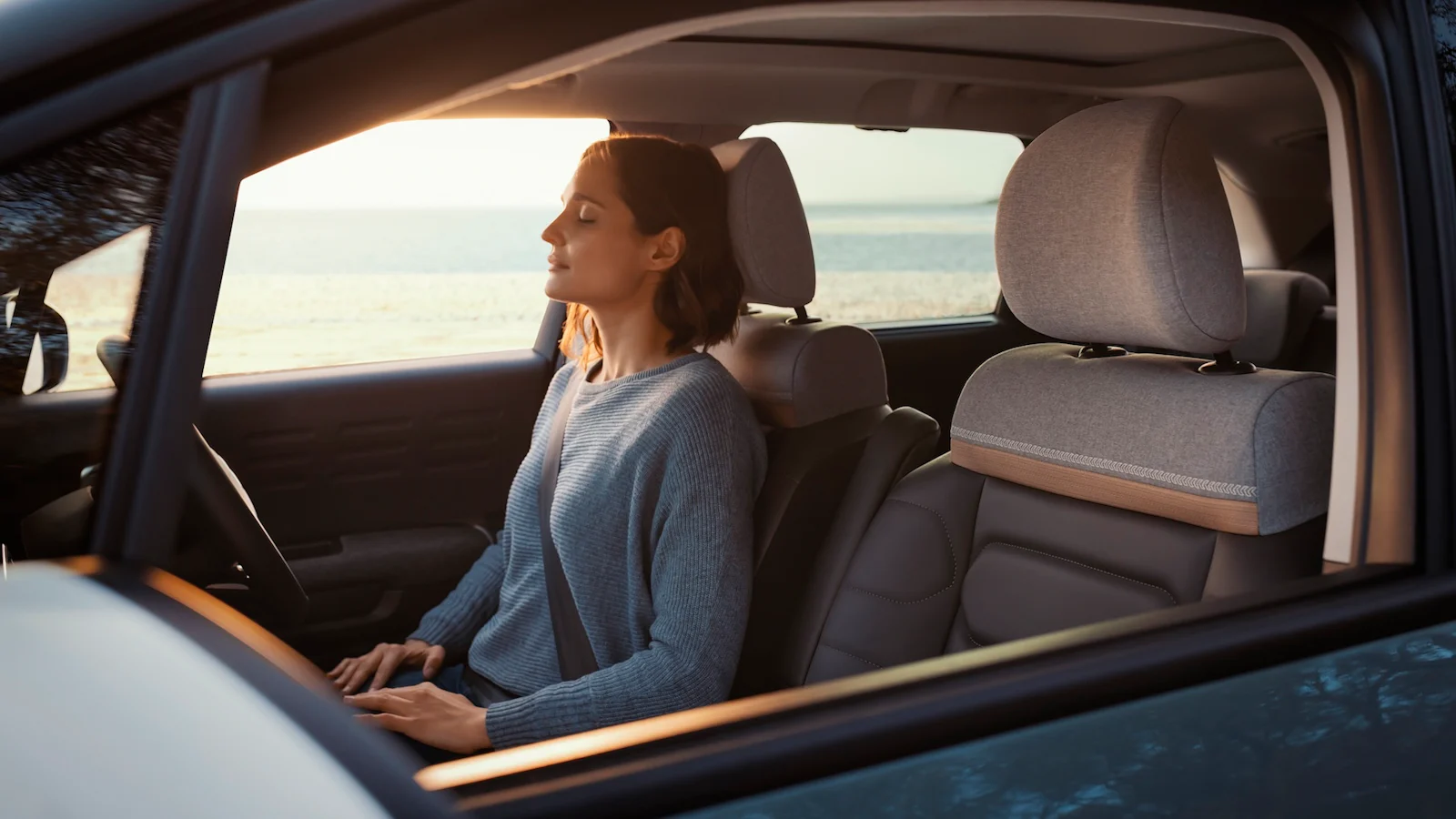
One of the most effective ways to reduce road rage is to change expectations entirely. So, instead of assuming perfect behaviour from other drivers, Dr Bohn suggests having a “buffer mindset”.
“Creating what I term a ‘buffer mindset’ is beneficial in reducing anger while driving,” she explains. “A buffer mindset involves making a conscious decision to create mental space between yourself and all other drivers by anticipating that each will make some type of error.”
Tailgating alone frustrates around one third (33%) of UK drivers, according to a survey by car finance specialists First Response Finance, showing how common these triggers are.
Leaving more room between vehicles and avoiding tailgating reduces tension and gives you time to react calmly rather than impulsively.
It also shifts the experience of driving from reactive to anticipatory, which can significantly reduce stress.
Road rage may feel like a sudden burst of anger – but in reality, it’s often the result of stress, perception, and habit combining in a split second. The good news is that small mindset shifts can make a big difference in keeping UK roads calmer for everyone.
Car change? Carwow!
Looking for a new set of wheels? With Carwow you can sell your car quickly and for a fair price – as well as find great offers on your next one. Whether you’re looking to buy a car brand new, are after something used or you want to explore car leasing options, Carwow is your one stop shop for new car deals.
Click here to follow us on WhatsApp, where you can keep up-to-date with all the latest news, reviews, advice guides and videos.
Compare cars using Carwow