7 things to know before taking your car to university
August 14, 2026 by Siobhan Doyle

Planning to bring your car to uni? Here are seven things you need to know, from strict parking rules and permit schemes to the costs of keeping your car on the road.
So, you’ve got your A Level, BTEC or T Level results, and some of you are getting ready to head off to university. That’s a pretty exciting milestone, if you ask me! With this year’s class achieving outstanding grades and UCAS figures showing a record 262,820 students accepted into university or college, many of you may be taking your cars to a new city for the first time.
But what do you need to know before you go? Here are seven things to consider.
Remember, you can buy a brand new or used car right here on Carwow. And you can sell your car, too. We’re here to help you through every step of your car-changing journey.
1. Check whether you’re actually allowed to park
Before taking your car to university, check the parking rules. Don’t assume that being a student means you’re automatically entitled to park on campus.
At the University of Brighton, for example, on-campus parking is limited and students need a university E-Permit or valid payment session. Parking is enforced 24/7 using ANPR cameras, and having a permit doesn’t guarantee you a space.
Other universities take an equally strict approach. The University of Manchester doesn’t issue parking permits to undergraduate students, except in cases involving disability, while the University of Bristol says student parking is extremely limited and advises students to only bring a car if it’s essential.
So, before you load up the car, check your university’s parking policy and whether you’re actually eligible for a permit.
Top tip: Search for your university’s student parking page before you arrive, and check the rules for your specific accommodation too.
2. Don’t assume your halls come with a parking space
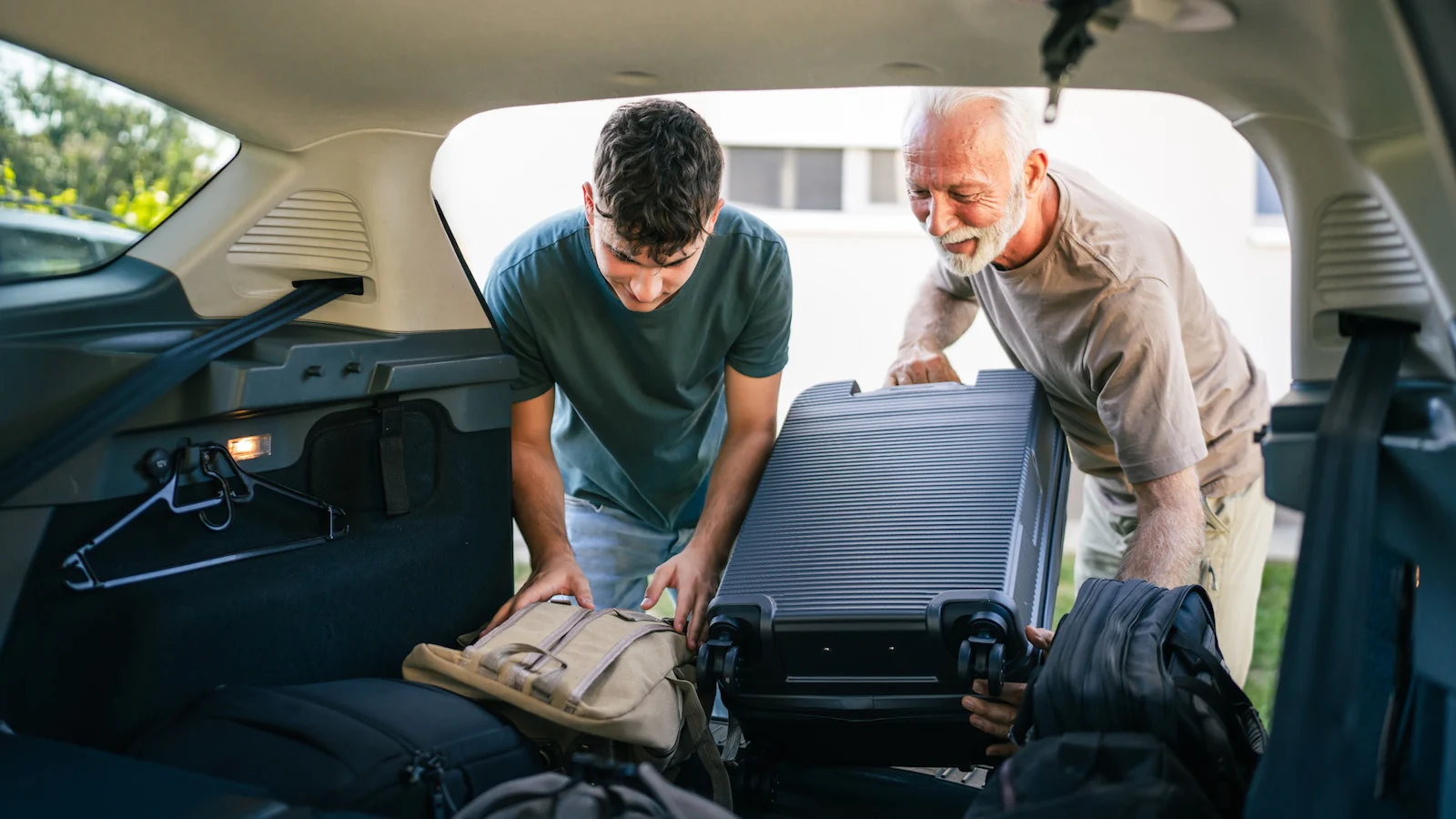
Where you’re living during your time at uni can make a big difference.
Some university accommodation has limited parking, while other halls may have no student parking at all. Even where spaces are available, you may need to apply for a separate permit.
For example, the University of Bristol only has student parking at selected residences, and permits are limited. Priority is given to students including Blue Badge holders, those with disabilities or caring responsibilities, and students whose academic placements require a car.
At the University of Warwick, resident students are strongly advised not to bring cars to campus because parking is extremely limited and there’s no dedicated student parking.
Meanwhile, the University of Sheffield operates a permit system at its student residences, with specific student permits required for residential car parks.
We’d advise that you check your accommodation before you bring your car. You don’t want to arrive with a boot full of belongings only to discover there’s nowhere legal to leave your car.
3. Check whether your permit is linked to your number plate

Getting a parking permit doesn’t necessarily mean you can park any vehicle on campus.
Many universities use ANPR cameras or digital parking systems that link your permit to a vehicle registration number. If you change cars, borrow a family member’s vehicle or temporarily use a different car, you may need to update your permit before parking.
This is particularly worth checking if you’re travelling home and swapping between your own car and a family member’s car during term time. A permit that is valid for one registration number may not automatically cover another vehicle.
Before parking, check whether your university allows you to add or change vehicle registrations, and whether there are limits on how often you can do this.
4. Look beyond the university car park
If you can’t get a university permit, there are other options to explore.
Depending on where you study, these could include public car parks, pay-and-display spaces, private driveways or parking spaces rented from local residents.
It’s also important to check the parking rules on nearby residential streets. University cities often have Controlled Parking Zones, residents’ permits and other restrictions, so spaces close to campus may not be available to students.
Bristol is a good example: the university’s main campus sits within a residents’ parking scheme, meaning much of the surrounding on-street parking is subject to residential permits, meters or time limits.
The University of Leeds is another example. Much of the surrounding area is covered by council parking restrictions, with residents’ parking zones and pay-and-display areas affecting where visitors and students can leave their cars.
If you need the car mainly for getting home at weekends rather than travelling to lectures every day, consider whether you need to park it next to campus. A cheaper long-term space a little further away could be more practical, so long as it’s legal and secure.
5. Work out the real cost of having a car
Fuel is only one part of the cost of taking your car to university.
You’ll also need to think about:
- Insurance
- Road tax
- MOTs
- Servicing
- Repairs
- Breakdown cover
- Parking permits
- Pay-by-phone parking
- Local parking charges
- Clean air or congestion charges, where applicable
Parking costs can vary dramatically between universities and cities.
For example, the University of Warwick charges non-staff visitors £3.50 for up to two hours, £5.50 for up to four hours or £8.50 for a full day. A 20p transaction fee can also apply when paying through some of its cashless payment options.
At the University of Exeter, students living in university accommodation generally can’t park on the Streatham or St Luke’s campuses unless they meet specific criteria, while available pay-and-display parking can cost up to £12 for more than four hours.
This is a good reminder that even occasional parking can add up. Paying £8.50 for a full day every week during a 30-week academic year would be £255. And that’s before you’ve paid for fuel, insurance or maintenance.
It’s worth doing the maths before you go. If you’re only going to use the car occasionally, keeping it at home and using public transport might make more financial sense.
6. Get your paperwork and car ready
Parking isn’t the only thing to sort out before taking your car to uni.
If you’re moving to a new term-time address, check your car insurance and tell your insurer about any relevant change of circumstances. If you’re the registered keeper, make sure your V5C logbook details are correct.
The University of Sheffield specifically reminds students to make sure their insurance company knows they intend to bring their vehicle to university, as the change could affect their cover and premium.
It’s also worth considering breakdown cover, especially if you’ll regularly be driving several hours between university and home.
Then give the car a basic check before the journey:
- Check the engine oil
- Check the coolant
- Check tyre pressures
- Check tyre tread
- Test your lights and indicators
- Top up windscreen washer fluid
If you’re filling the car with luggage, check the manufacturer’s recommended tyre pressures for a heavily loaded vehicle.
7. Think about match days and university events
One final thing to check is whether your parking arrangements can change during major events.
This can be particularly important at universities near large sports stadiums.
The University of Brighton’s Falmer campus, for example, sits directly next to Brighton & Hove Albion FC’s stadium, and parking arrangements can be affected by football matches and other events.
So, even if you’ve found your usual parking spot, check your university’s travel and parking updates before setting off.
Car change? Carwow!
Looking for a new set of wheels? With Carwow you can sell your car quickly and for a fair price – as well as find great offers on your next one. Whether you’re looking to buy a car brand new, are after something used or you want to explore car leasing options, Carwow is your one stop shop for new car deals.
Click here to follow us on WhatsApp, where you can keep up-to-date with all the latest news, reviews, advice guides and videos.
Compare cars using Carwow