Exclusive: Insurance woes hit buyers of new car brands


Car changing is a big deal
Sales of Chinese cars are booming thanks to their low up-front cost and long list of standard kit, but a Carwow investigation reveals that some customers are finding insurance costly or tricky to get. And as demand grows even faster for these new entrants, the insurance industry is struggling to keep up.
Car buyers in the UK are snapping up new Chinese cars at an astonishing rate, tempted by low prices and impressive equipment lists that make some more established carmakers look stingy.
However, a Carwow investigation has found that as more drivers choose Chinese cars, some insurers are struggling to keep up, meaning consumers aren’t seeing the savings they should.
Concerns about parts and repairs mean certain insurance companies are cautious about offering competitive cover, as we explore below. This can leave buyers facing higher premiums or fewer options – making it harder to insure the cars they want to drive.
We explore why insurance for these new brands can be so expensive, why some insurers refuse coverage, and what buyers can do to get the best deal possible.
Please note: Insurance costs included in this article are based on quotations available at the time of research and are provided for illustrative purposes only. Insurance premiums vary and change over time. This article is intended for general information only and should not be relied upon as financial or insurance advice.
Remember, you can buy a brand new or used car right here on Carwow. And you can sell your car, too. We’re here to help you through every step of your car-changing journey.
The insurance shock
To get a feel for how much it costs to insure Chinese cars compared to the usual big names, we got quotes from ten of the UK’s top insurers, which includes companies such as Direct Line, Hastings, and LV. The quotes were based on a 27-year-old journalist living in Hampshire: no claims or convictions, and no points on their licence.
We tested eight different models: four from Chinese brands and four from well-known European, Korean, and Japanese manufacturers. These include:
- Jaecoo 7 (China)
- Xpeng G6 (China)
- BYD Seal U (China)
- Skywell BE11 (China)
- Volkswagen Tiguan (Germany)
- Kia EV3 (South Korea)
- Peugeot E-3008 (France)
- Toyota RAV4 (Japan)
In our investigation, the Skywell BE11 proved the most difficult to insure. Out of 10 insurers we contacted, nine were unable to provide a quote. Of those nine, some explicitly declined to cover this type of car, while others simply did not have Skywell listed as a recognised brand.
The single insurer who would cover the BE11, esure, quoted an astonishing premium of around £2,203 per year. This is nearly £1,365 more than its direct alternative the Peugeot E-3008, with an average annual premium of around £838 per year.
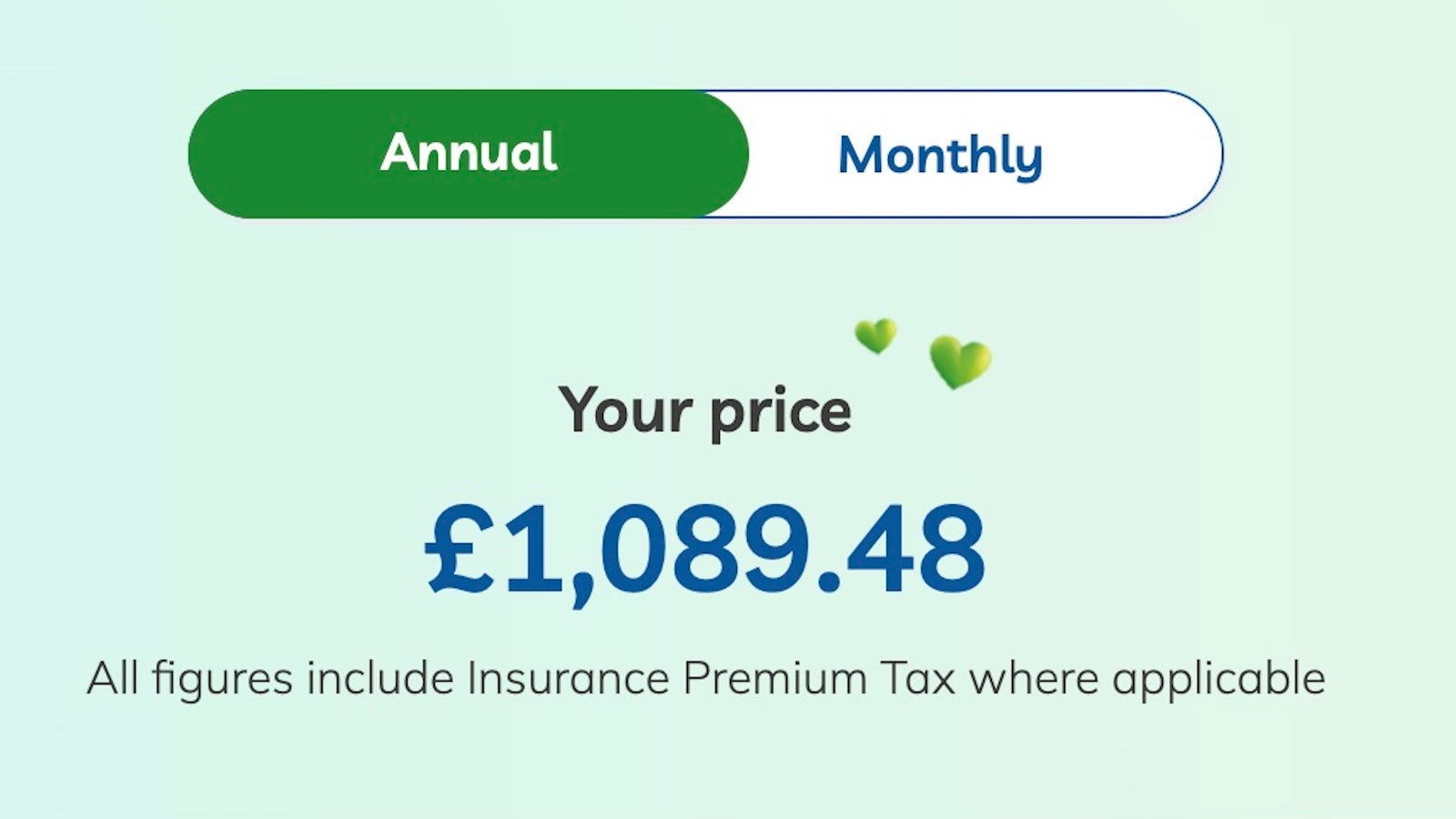
For the Jaecoo 7, meanwhile, half the insurers we contacted declined the quote. For the other five who would cover the car, we found that the average annual premium came to around £858. This makes the Jaecoo 7 around £166 more expensive to insure annually than its European alternative, the Volkswagen Tiguan, which had an average premium of £692 per year.
The Xpeng G6, an electric SUV launched in the UK in February 2025, faced similar resistance: five of the insurers contacted stated they would not cover “this type of vehicle.” For the insurers that did offer cover, the average annual premium for the G6 was approximately £1,102 – around £275 more than the premium for an alternative electric car, the Kia EV3, which we found costs around £827 to insure per year.
Even though some insurers were a bit hesitant, it’s not all doom and gloom for Chinese cars in this space. We asked 10 insurers about the BYD Seal U: three wouldn’t offer cover, but the average yearly premium from the others was £645. That’s almost £543 cheaper than a similar Toyota RAV4, which we found to be the most expensive mainstream model to insure – of the ones we tested – with premiums of up to £1,188 per year.
One thing to keep in mind is that, although insurance costs for Chinese cars are often higher than for other brands, some models can still be cheaper overall when financed or leased. For example, at the time of writing, you can lease a Jaecoo 7 through Carwow for a total cost of around £18,600 over four years with 5,000 miles per year. By comparison, a similar lease on a Volkswagen Tiguan would cost around £22,200 for the same term and mileage. This means that lower leasing costs can help balance out the higher insurance premiums. It’s always best to shop around for the best deals.
Drivers have their say
We had a look through some owners groups on social media to see what they had experienced when looking for insurance.
“My current insurer wouldn’t cover my [plug-in hybrid vehicle] and then charged me an admin fee for cancelling,” one driver said. “I tried to fight this and apparently it was my, and not their, choice to change my car. Got insured elsewhere, but way over the odds!”
Then there’s another Facebook user who claimed his current insurer rejected coverage on a Chinese car as they saw it as an import. He then approached an alternative that also said they couldn’t insure the car. However, when he went onto a comparison website, he found the top offer was from the insurer he spoke to. “It made no sense as they wouldn’t insure it as an existing customer,” he wrote.
We also reached out to some drivers on their experience trying to get insurance for Chinese cars.
Alessia Groppo from Bournemouth told Carwow that she chose the Jaecoo 7 because she wanted a hybrid and was impressed by its quality. “It’s much better inside than I expected, with soft-touch plastics and a solid feel. Nothing creaks, which is great with two kids.”
However, insuring the car proved to be a challenge. She explains: “My other car is a Kia Sportage, and insuring that wasn’t an issue. But for the Jaecoo, my provider wouldn’t cover it, and on comparison sites most insurers didn’t appear.
“The only insurers willing to offer cover charged extremely high excesses – over £500, sometimes £800 – and my monthly premium doubled compared to the Kia.”
Meanwhile, Dylan Groome from Blackpool says he found trying to insure his Jaecoo 7 “a complete nightmare”. He checked comparison sites, but most quotes were double what he was paying for his previous car: a Vauxhall Mokka.
Despite the insurance issues, Groome says he still feels he got a bargain. “I’ll see how things go when I renew in 12 months. It’s a new car, so I hope insurance rates will become more realistic as it becomes more recognised by insurers. But so far, my experience with the car has been good.”
Birmingham-based Steve Smith describes insuring his Xpeng G6 as unexpectedly difficult. “When I told Admiral I was changing my car, they said they don’t insure Xpengs,” he explains. Smith has driven electric cars for more than a decade, and added: “When I got my first Tesla back in 2015, I didn’t have any problems insuring an electric car at all.”
Forced to use comparison sites for the Xpeng, he “ended up paying about £300 more a year with a different insurer.” Smith was surprised by the lack of options, noting that “insurance definitely felt like a barrier,” even though he remains very pleased with the car itself.
A BYD owner, who asked not to be named, noticed a big jump in insurance costs when switching to his new Seal: about £1,400 a year, compared with just £600 for his previous Honda CR-V.
Naturally, insurance prices can fluctuate based on a number of factors. Other owners reported that they had no trouble getting insurance, and some even found it was cheaper.
Why are insurers charging more?
Good news if you’re thinking about a BYD Seal U – our findings suggest it’s genuinely competitive with its more established alternatives. That’s likely because BYD is one of the more well-known Chinese brands in the UK, having been around since 2023. Plus, having BYD factories in Europe, like the one in Hungary, likely makes getting parts shipped to the UK a lot easier.
As for the other Chinese car brands, our investigation tells a different story. We’ve reached out to insurers to get a clearer picture of why they’re charging more or even declining to offer cover for these brands.
LV= General Insurance, owned by Allianz, said it doesn’t provide cover for the Xpeng G6, BYD Seal U, and Skywell BE11 because they’re still evaluating the insurance risks associated with these vehicles.
“Each new model is assessed on its individual merits, taking into account factors such as repairability, parts availability, and overall claims history, to ensure we can offer appropriate and sustainable coverage,” an LV spokesperson said.
General manager at Skywell UK, David Clark, agrees that concerns around parts availability and repair times influence insurers’ reluctance to provide coverage. “Vehicle downtime is a major cost for manufacturers. The faster repairs can be completed – thanks to readily available parts – the lower the overall costs.”
Repairability and parts availability appear to be two of the main factors behind insurers’ reluctance to cover new Chinese cars. However, as these models become more established in the UK, premiums are likely to come down.
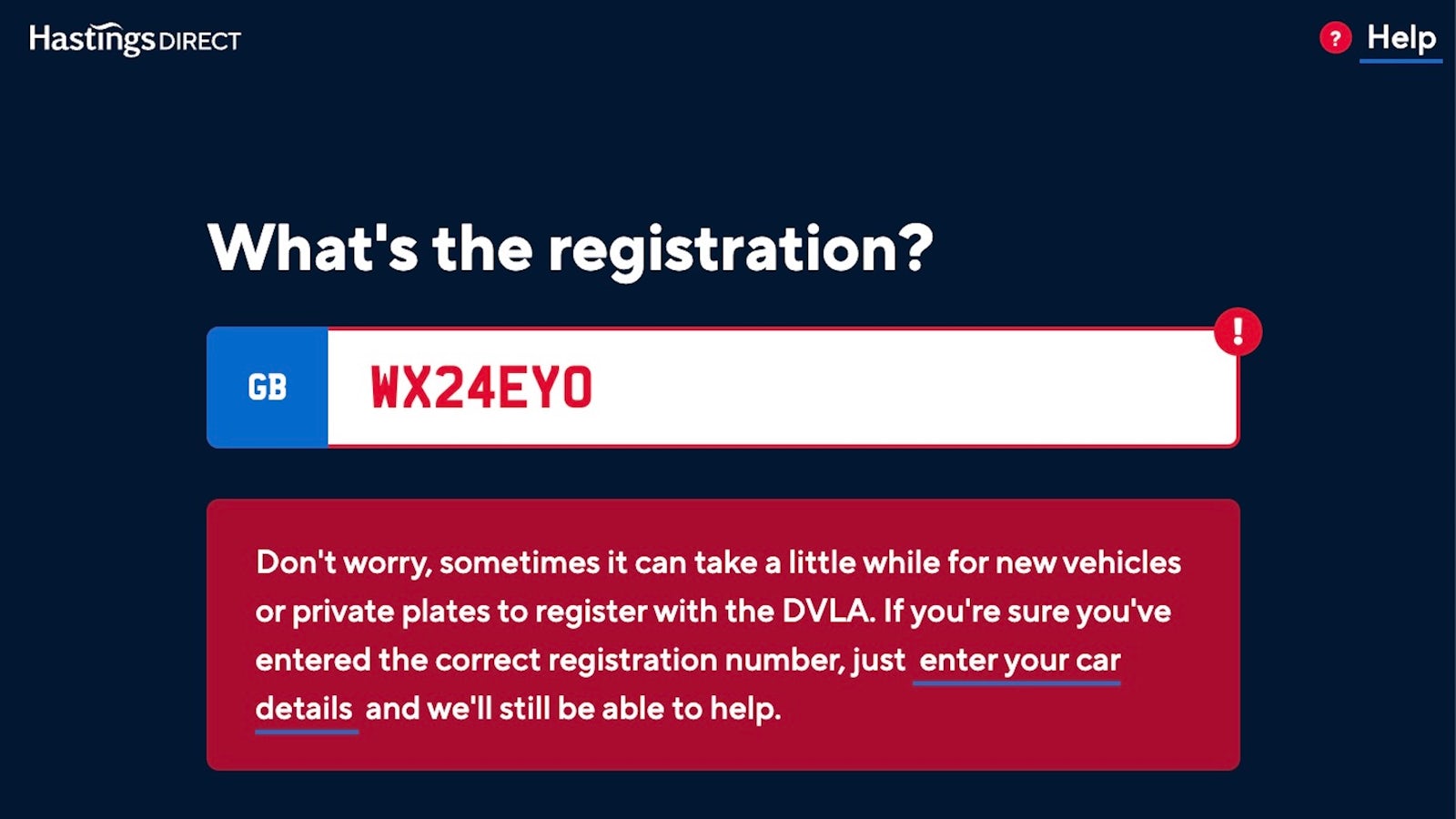
Some insurers told us that they continually update their systems to add new models. This means that certain Chinese cars not currently listed could be added in the future.
For instance, a spokesman from AA insurance services said: “While our portfolio of underwriters may not offer cover for these vehicles at present, they constantly update their systems so drivers buying the newest makes and models can have the best possible protection.”
Ageas told Carwow that most of their customers insure cars over eight years old, but as Chinese models become more established and eligible, they have processes in place to add them to their systems.
The Association of British Insurers (ABI) told Carwow that decisions about whether to offer car insurance for specific vehicles are ultimately “commercial matters” for individual insurers. This means insurers have the right to decide which cars they will or will not cover – and at what price – based on their own risk assessments and business objectives.
It added: “We would always recommend shopping around when looking for insurance, but be sure to buy a policy that meets your needs and not just based on price.”

“A market in transition”
High UK insurance costs are not unique to Chinese car brands; they typically affect any new vehicles entering the UK market, Thatcham Research tells Carwow. Thatcham is an independent body that assesses vehicle security, safety and repairability and provides risk-intelligence data to the insurance ecosystem.
“It’s easy to label this as a ‘Chinese problem,’ but it really isn’t,” says Ben Townsend, head of automotive at Thatcham. “What we’re seeing is a market in transition.”
Townsend stresses that the UK car industry is undergoing multiple major changes simultaneously, including new powertrains such as EVs and plug-in hybrids, increasingly advanced driver-assistance systems, greater connectivity, over-the-air updates, and even hardware that can be activated later via subscription. In turn, this complexity introduces uncertainty, and insurers respond by adjusting their pricing models accordingly.
Another key challenge for manufacturers – regardless of where they’re from – is the lack of historical data, Townsend says. Take a Volkswagen Golf as an example: insurers don’t just rely on Thatcham’s risk data for the latest model, VW also has decades of legacy claims data from previous generations to analyse.
“With new models from emerging Chinese brands, that historical data doesn’t exist yet in the UK,” Townsend adds. “Some insurers factor that absence into pricing decisions. Over time, as data builds, that situation will improve.”

It’s just history repeating itself
Japan offers a historical parallel to what new Chinese cars face in the UK today. When Japanese cars arrived in the 1960s, insurance was often higher than for UK models due to three main factors:
1. Grey imports and performance
Many early Japanese cars were “grey imports” that had specifications unfamiliar to UK insurers. Thatcham Research notes that insurers still assess risk based on performance, repair costs, and safety ratings. Vehicles with limited claims history or repair networks can attract higher premiums.
2. Costly parts and repairs
Parts make up around 40% of repair costs, with prices rising sharply in recent years, data from Thatcham Research finds. For example, headlamps increased from £1,039 in 2020 to £1,528 in 2025, bonnets from £445 to £666, labour from £36/hr in 2018 to £52/hr in 2024, and paint from £417 to £700. High repair costs make insurers cautious with unfamiliar models.
3. Data gaps
Insurers rely heavily on historical claims and repair data to price premiums accurately. The Association of British Insurers (ABI) tells Carwow that newer market entrants, or models with limited claims histories, often lead insurers to take a more conservative approach to pricing. When this is combined with higher parts and repair costs, it can result in elevated premiums for unfamiliar vehicles – just as it did for Japanese cars in the 1960s.
This pattern repeated with Korean cars such as the Hyundai Pony in the 1980s. But as many manufacturers built cars to European standards and established repair networks, insurance costs fell.
Clark at Skywell UK recalls seeing this during his time at MG about 15 years ago. He explains that after MG was acquired by China’s state-owned carmaker SAIC Motor in 2006, it took time to process information and secure the necessary parts – a pattern he sees repeating with newer Chinese brands.
So, what are manufacturers doing about it?
Skywell has already taken steps to address this issue, partnering with specialist motor insurance broker Adrian Flux to offer insurance cover for its BE11 model.
Ahead of the BE11’s UK launch, Skywell’s UK- and China-based engineering teams worked closely with Thatcham to ensure all repair and parts information was available from the get-go. By sharing this data openly, Skywell will help insurers and repairers process claims more efficiently, leading to quicker repairs and less inconvenience for customers.
We have also reached out to other major Chinese brands but they are unable to provide any further comment at this point.
What needs to change
Chinese car companies are selling affordable models just as the increasing cost of living is hitting people’s wallets. Cars like the Jaecoo 7 and BYD Seal U are already among the UK’s top 10 best-sellers this year, according to the Society of Motor Manufacturers and Traders (SMMT), showing they’re genuinely popular. Yet some insurance companies are making them more expensive to cover, because there’s limited repair data, parts are less familiar, and ownership history is short.
This isn’t just a Chinese car issue – it’s a broader challenge with any new model. But as insurers gain more experience and manufacturers give them clearer data, insurance costs should become fairer. For now, consumers are the ones paying the price.
So, if you’re considering a Chinese car – or any new car recently introduced to the UK – always check insurance costs before buying, not after, particularly if you’re hoping to stay with the same insurer and want to avoid unwanted cancellation fees. Keep an eye out for manufacturer-backed insurance schemes too; these are designed to help control costs while insurers build confidence in new models.
Don’t just accept a renewal quote or rely on a single comparison website. Try multiple sites, speak to brokers, and explore different insurers. Each insurer has its own risk appetite and pricing model, so shopping around is the best way to secure the best deal.
Car change? Carwow!
Looking for a new set of wheels? With Carwow you can sell your car quickly and for a fair price – as well as find great offers on your next one. Whether you’re looking to buy a car brand new, are after something used or you want to explore car leasing options, Carwow is your one stop shop for new car deals.
Click here to follow us on WhatsApp, where you can keep up-to-date with all the latest news, reviews, advice guides and videos.