Are electric vans any good?
January 08, 2026 by Tom Wiltshire

Electric vehicles (EVs) are here to stay, and in 2025 electric cars made up more than 23% of sales. But the world of vans is a bit harder to crack for EV manufacturers, and over the same period less than 9% of new vans sold were electric.
Going for an electric van can have some real benefits for your business, but it’s not always plain sailing – there are lots of things to consider that will depend on your usage, where you park your vans and how big your fleet is. Whether it’s a small van like a Citroen e-Berlingo, or a massive one like an Iveco eDaily, there’s plenty of choice that should be able to suit your needs. So are electric vans any good – and are they worth it for you and your business? Read on to find out.

Remember, you can buy a brand new or used car right here on Carwow. And you can sell your car, too. We’re here to help you through every step of your car-changing journey.
Advantages of electric vans
Low running costs
If charged up properly, an electric van will cost significantly less per mile than a diesel. The gap narrows if you have to charge the electric van at expensive public charge points, but topped up at home or at a depot overnight (especially if there’s a favourable off-peak tariff available) then the cost gap is huge.
Zero tailpipe emissions
Electric vans can access any city centre penalty-free, and the promise of clean, green motoring is a great bit of eco-marketing for your company.
Good to drive in urban environments
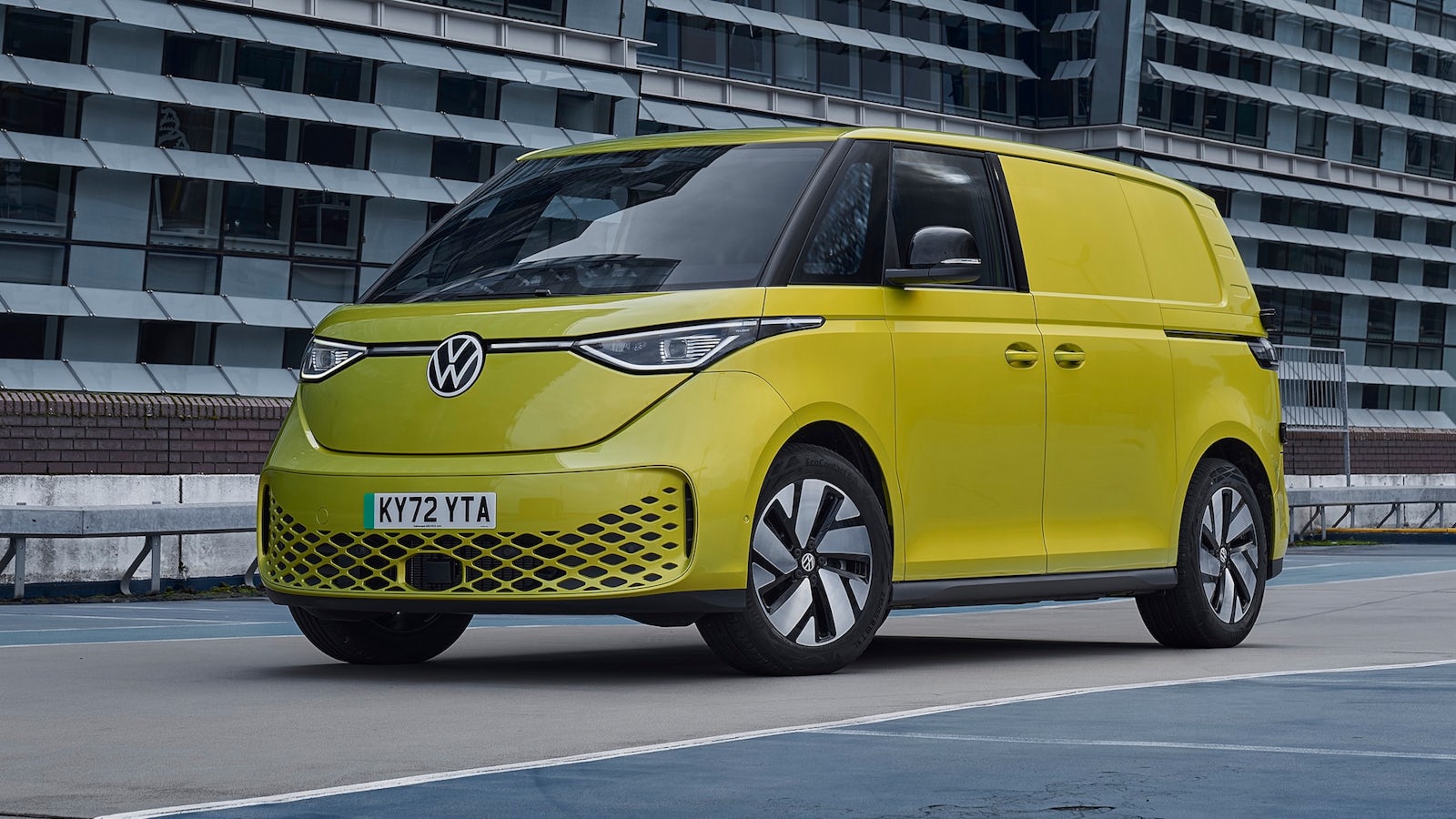
Diesel vans always feel uniquely ill-suited to the sort of short, choppy, urban journeys that they do on jobs like last-mile parcel delivery. Electric vans, by contrast, are perfect for it. They accelerate quickly and smoothly, have no clutches or gears to worry about (or to wear out prematurely) and are quieter and smoother. That means less driver fatigue and less chance of annoying the neighbours on a late-night or early-morning run.
Lower maintenance needs
Electric vans are much simpler than diesel ones. There are fewer moving parts, no oil changes, no exhausts or complicated emissions control systems. That also means there’s less for a particularly unsympathetic driver to potentially break. Maintenance is simpler and therefore cheaper.
Future-proof
Sooner or later, diesel vans will be gone completely. Futureproofing your fleet now prepares you for the change to electric power, long before you’re forced into it.
Disadvantages of electric vans
More expensive upfront
This isn’t universal, and with grants included electric vans are coming closer to achieving price parity with diesel ones. But for the most part, an electric van ranges from a little to a lot more expensive than its diesel counterparts. If you want one with a long range or big payload, expect to dig deep into your wallet – and even the lower running costs day-to-day may not totally compensate for this higher purchase price.
Limited real-world range

Electric vans can’t go as far on a charge as a diesel van can go on a tank. Even the best ones top out at around 200 miles real-world, which while totally fine for urban routes doesn’t leave a lot of flexibility for longer journeys. This also means it’s harder to redeploy your fleet ad-hoc – electric vans work best on predictable journeys with scheduled charging. Cold weather, high payloads and driving styles can really eat into range.
Gaps in charging infrastructure
Public rapid charging is still patchy in some areas, and expensive nationwide. It can be especially tricky in a larger vehicle, with many charging spots unsuitable for anything larger than a car – fine if you’re in a Citroen e-Berlingo, less so in an Iveco eDaily.
Compromised payload
Batteries are extremely heavy, and so electric van payloads are lower than those on diesel vans. A licence extension, allowing you to drive electric vans of up to 4.25 tonnes (vs 3.5 tonnes for diesel vans) on a normal car licence, does go some way to helping, but even with this in mind, electric vans aren’t the best for total capacity just yet.
Hidden costs
After the purchase price and public charging figure into your equations, you might need to consider other costs. Residual values for electric vehicles are notoriously poor and vans are the same, so you might not get as much back when you come to sell. If you have a large depot, you’ll need to have it upgraded to accommodate all that charging infrastructure – don’t go thinking you can charge 20 vans off a £10 extension cord. And as takings from fuel duty decline, it’s possible that the government may introduce new taxes on electric van owners just as it’s promised to do on electric cars.
Are electric vans worth buying?
The answer is yes – if they suit you. An electric van purchase will require much more research and careful thought than a diesel one, but if it suits your needs as a business, then they’re fantastic.
If you have repeatable routes in an urban environment, and somewhere to charge the vehicle overnight, then an electric van is definitely worth it – many business owners who’ve switched say they’ll never look back. But if your van needs to cover lots of long distances, has to carry max payloads or if there’s unpredictability about where it will be needed at any time – maybe steer clear for a few more years.
Change your van with Carwow
Time to trade in your van? With Carwow you can sell your van quickly and for a fair price – as well as find great offers on your next one. Whether you’re looking to buy a van brand new, are after something used or you want to explore van leasing options, Carwow is your one stop shop for van changing.
Click here to follow us on WhatsApp, where you can keep up-to-date with all the latest news, reviews, advice guides and videos.
Compare cars using Carwow