What is a crew cab van?
February 05, 2026 by Tom Wiltshire

A crew cab van combines a big cargo area with space for passengers in the rear – they can either be the best of both worlds or an annoying compromise depending on your needs
If you’re looking at new or used commercial vehicles you might have found yourself wondering ‘what is a crew cab van?’ It’s made even less convenient by some manufacturers choosing their own terms for it – whether that’s Kombi, double-cab, or the confusing DCiV.
A crew cab is a type of van that combines aspects of a passenger vehicle and a commercial vehicle. They’re very common and offered by all major van manufacturers across every size of van – so read on to find out more about them, their advantages and disadvantages, and whether they’re something you should consider for your business.
Whether you’re looking to buy a brand-new van or search for a used one, Carwow is your one stop shop for new van deals. You can even sell your old van through Carwow.
What is a crew cab van?
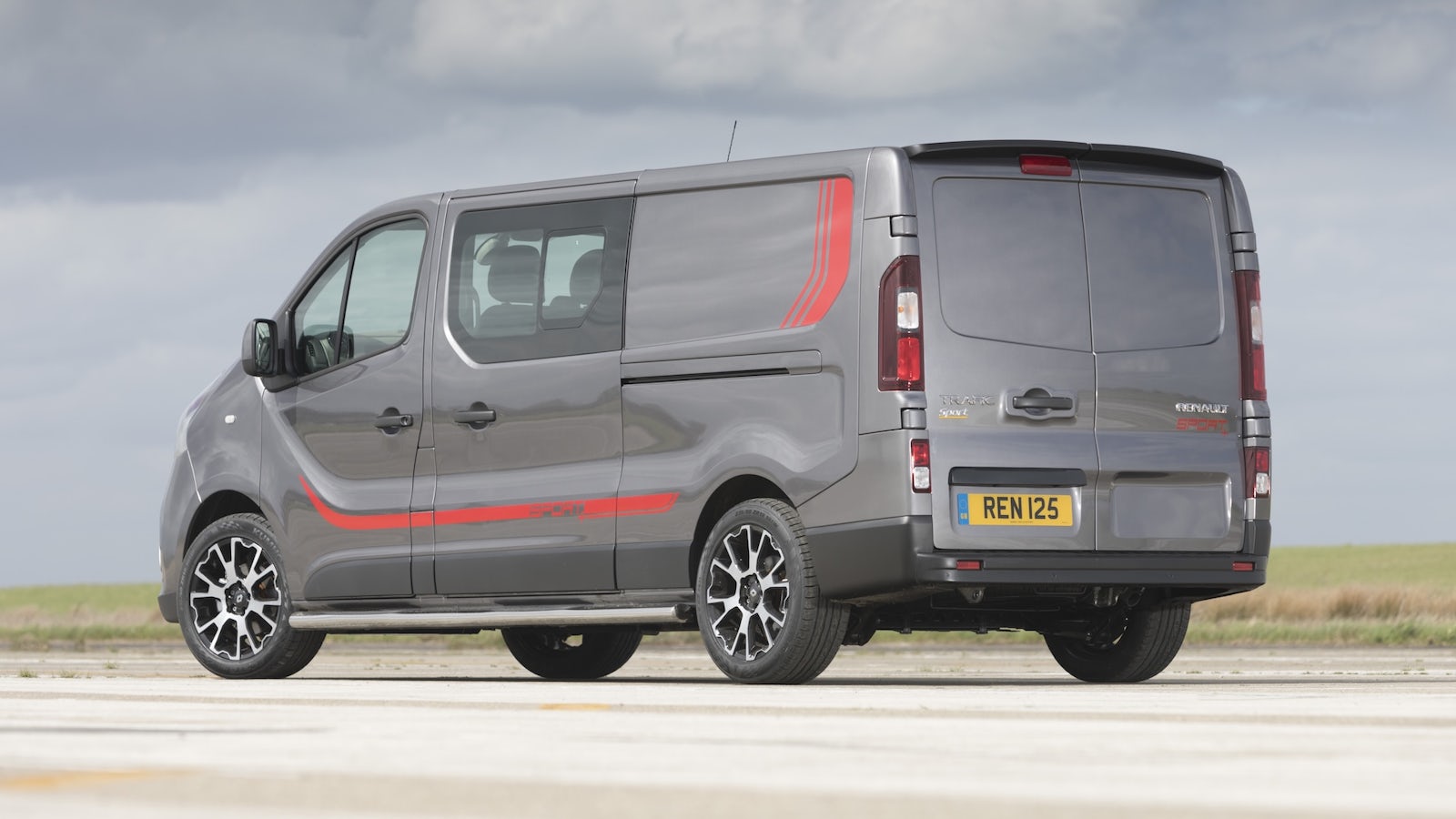
‘Cab’ refers to the passenger area of a van, so ‘crew cab’ just means a cab that can take more ‘crew’ – or passengers. In practice, this means a panel van that has a second row of seats in the rear, as well as either one or two rear doors to facilitate entry.
Crew cabs boost a van’s seating capacity to usually five passengers – or six, if there’s a double front passenger seat in place.
Despite the extra seats, though, a crew cab is still a van. That means it has a fixed bulkhead behind the rearmost seats, and maintains van-like features such as a ply lining and a relatively Spartan cab.
Key features of crew cab vans
Five or six seats
Extra seating in crew cab vans is usually a three-person rear bench. This, added to a two- or three-seater front cab, provides seating for five or six. The exception is Ford’s unusual Multicab in the Transit Custom, which has two seats in the back and an L-shaped bulkhead for a total of four or five seats.
Bulkhead
To maintain classification as a van – and to differentiate them from a people-carrier with a big boot – a crew cab van will have a bulkhead behind the rearmost seats. This is usually fixed in place, though some smaller crew cabs have clever folding rear seats and a sliding bulkhead like the Citroen Berlingo. Others have through-loading bulkheads so you maintain the full length of the cargo area, though only in a narrow opening.
Rear side doors

Access to the rear seats is just like you’d get in a people-carrier, through rear sliding doors. Some crew cab vans, however, don’t bother giving you a door on either side – you’ll have to cope with just one.
Enclosed cargo area
The cargo area of a crew cab van is smaller than on a single cab, but otherwise it’s much the same – it’s still fully enclosed and usually accessed through rear barn-style doors. You can get it lined in ply or composite just like a larger van, as well as outfitted with racking.
Pros and cons of crew cab vans
Pro: extra flexibility
If you want one vehicle that can do it all, a crew cab van is a fair shout. The ability to take more than just one or two passengers especially if you’re a business with multiple workers such as a builder, is useful for productivity as it means extra people don’t have to travel separately.
Pro: a better family car
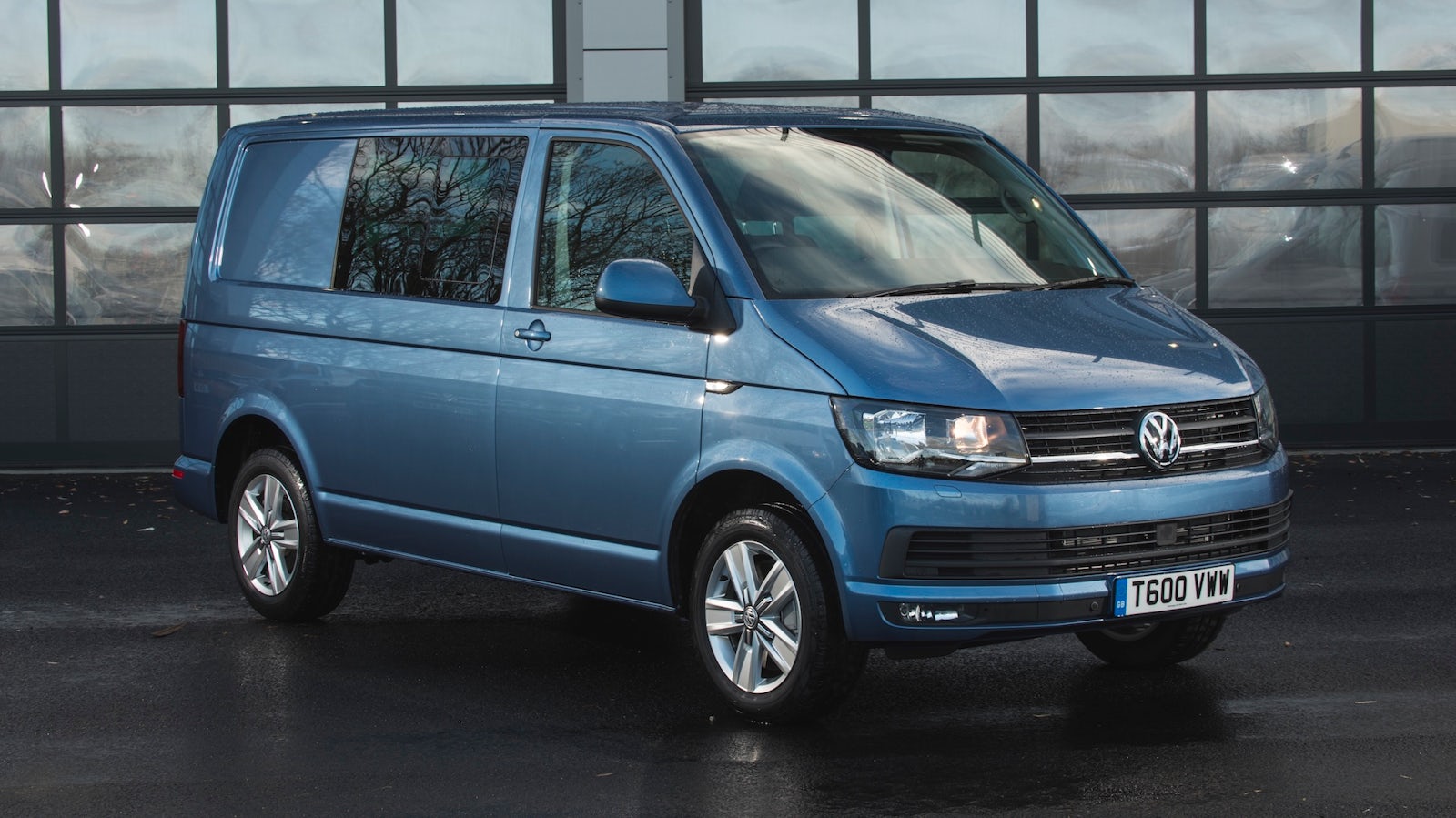
If you use your van for personal trips, then having those rear seats means a crew cab van is an immensely practical family hauler – with space for the kids as well asc a giant load area for luggage, bikes, or anything else you could want. Many active families have found crew cab vans to be even more practical than SUVs or MPVs for their uses, especially if the hobbies in question are pretty mucky.
Pro: tax-efficient
A crew cab van is still considered a commercial vehicle for tax purposes. That means if you’re buying it for your business, you can reclaim the VAT, and anyone running one as a company vehicle can do so with the flat rate of BiK. Pickup trucks, previously the dual-purpose vehicle of choice, are now much pricier to run than a crew cab van.
Cons: less capable
A crew cab van can’t carry as many people as a dedicated MPV or minibus – most manufacturers offer a barebones ‘Shuttle’ version of their vans with seating for up to nine. At the same time, it can’t carry as much cargo as a single cab panel van – the storage area is only half the length, and payloads are reduced too. It’s a bit of a jack of all trades, master of none.

Cons: not very comfortable
Unlike a dedicated people-carrier van, such as a Ford Tourneo Custom or Mercedes V-Class, crew cab vans don’t really give much consideration to passenger comfort. While the seats are usually fine, those in the back particularly will very rarely have any niceties – no cupholders, no carpets, no air-conditioning vents, no opening windows, no adjustable backrests. This means that as a family car, or for workers on anything but a short journey, they can be pretty uncomfortable places.
Cons: higher purchase price
A crew cab van costs more to buy in the first place than a single cab, and may be offered with a reduced choice of trim levels, engines, or optional extras.
Crew cab van FAQs
How many seats does a crew cab van have?
The majority of crew cab vans add a three-seater bench in the back. So, depending on whether there’s a single or a double front passenger seat installed, the total seating capacity is five or six.
Is a crew cab van classed as commercial?
Yes, if it has a bulkhead and an enclosed rear cargo area, a crew cab qualifies as a commercial vehicle. This means it pays a flat rate of road tax, a flat rate of Benefit-in-Kind when used as a company vehicle, and can have the VAT reclaimed on its purchase cost. If it’s an electric crew van it also qualifies for the Plug-in Van Grant.
What is the best crew cab van?
We find the best vans make the best crew cabs – so the Ford Transit Custom would be our pick, either the regular crew cab or the clever Multicab which features an L-shaped bulkhead for a narrow area of full-length loading. On a smaller scale, the Citroen Berlingo crew van is very clever with its folding rear seat and sliding bulkhead.
Change your van with Carwow
Time to trade in your van? With Carwow you can sell your van quickly and for a fair price – as well as find great offers on your next one. Whether you’re looking to buy a van brand new, are after something used or you want to explore van leasing options, Carwow is your one stop shop for van changing.
Click here to follow us on WhatsApp, where you can keep up-to-date with all the latest news, reviews, advice guides and videos.
Compare cars using Carwow