‘It’s not a free car’: the truth about the Motability scheme
April 19, 2026 by Siobhan Doyle

The Motability Scheme is often misunderstood as a perk, but for thousands of disabled people it’s a vital lifeline. As changes loom, users share their experiences, challenge persistent myths, and express growing concerns about what comes next.
The Motability Scheme has long been a topic of public debate – and often, public misunderstanding. From assumptions that it gives drivers with disabilities “free cars”, to questions about eligibility, many of the narratives surrounding it don’t reflect the reality for disabled people who rely on it every day.
With upcoming changes set to affect costs and mileage limits, members of Purpl – a membership scheme that supports people with disabilities, as well as carers and parents of disabled people by offering exclusive discounts and deals – are speaking out. They are doing so not only to share their concerns, but also to set the record straight.
Remember, you can buy a brand new or used car right here on Carwow. And you can sell your car, too. We’re here to help you through every step of your car-changing journey.
But first, what changes are happening?
From 1 July 2026, the Motability Scheme is changing due to new government taxes that will increase the cost of providing leases. To keep the scheme sustainable, some updates will apply to new customers from that date.
If you’re already on the scheme, nothing will change for your current lease. But for new leases starting on or after that date, the package will remain all-inclusive, but with a few adjustments, including:
- A lower mileage allowance of 30,000 miles over three years, along with increased excess mileage fees (25p per mile).
- Limits on replacement tyres (up to 6 over three years, with some restrictions for damage).
- A small fee and required paperwork (VE103 certificate) if you take your vehicle abroad.
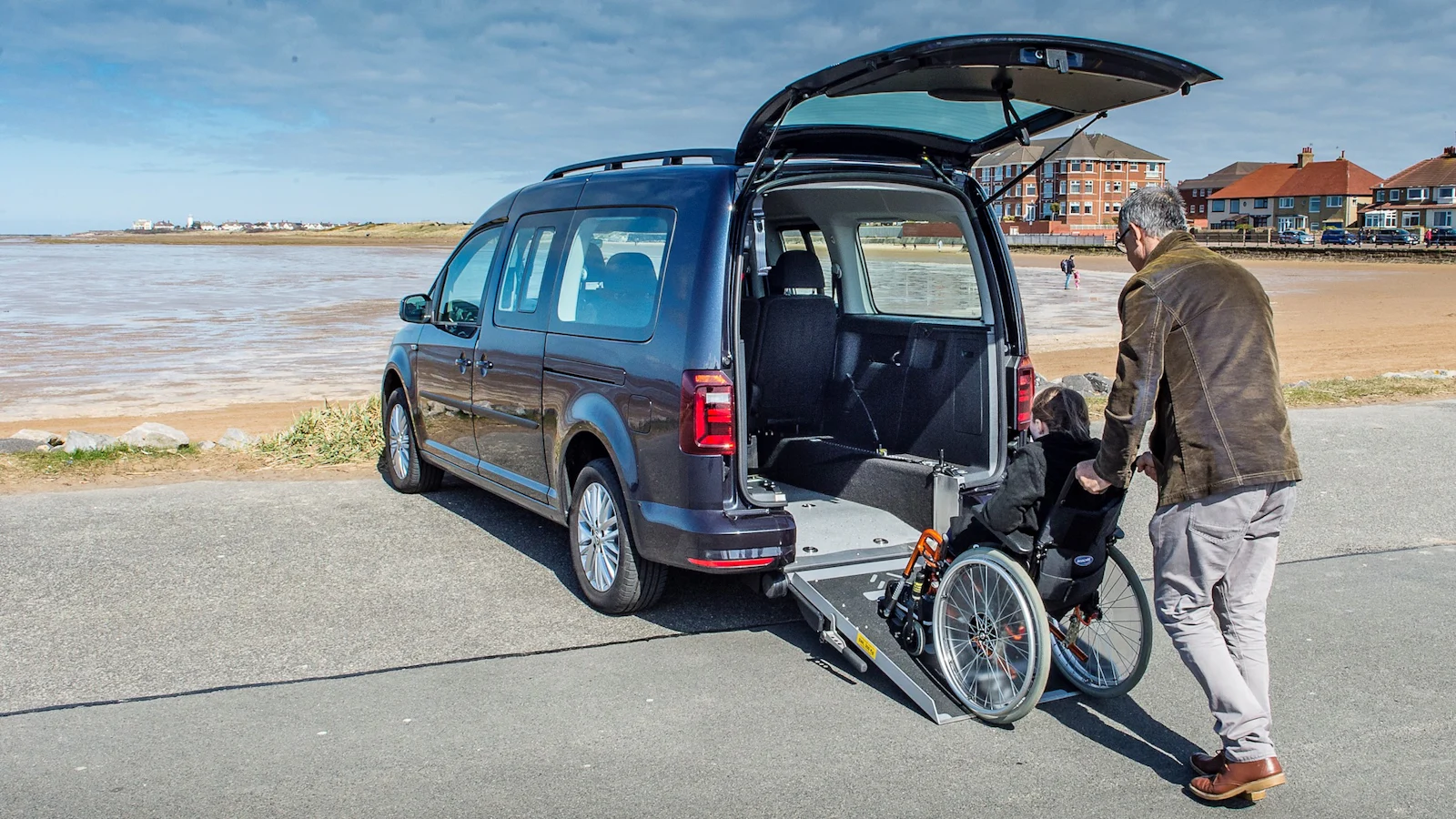
Myth 1: “Motability gives people free cars”
One of the most common misconceptions is that the scheme gives people with disabilities vehicles at no cost.
In reality, the scheme is funded through a person’s mobility allowance – such as Personal Independence Payment (PIP) or Disability Living Allowance (DLA) – which is paid directly towards the lease of the car.
As Georgina Colman, founder of Purpl, debunks: “Motability is not a free car. It’s funded using a person’s mobility benefit… In many cases, people also pay extra upfront costs on top to get the car that fits their needs.”
Those upfront costs – known as advanced payments – can run into the thousands. Some specialised or higher-specification vehicles can even exceed £5,000, according to Motability.
Myth 2: “It’s a luxury, not a necessity”
For people with disabilities, Motability is far from a lifestyle perk. It’s often the only reliable way to get to work, attend medical appointments, or simply leave the house.
Purpl member Steve, who drives on behalf of his daughter with a disability, explains the stakes: “I now think with the changes coming in that she will not be able to afford a new car from the scheme… We are really worried for my daughter.”
Without access to a suitable vehicle, independence can quickly disappear – along with access to employment, education and healthcare.

Myth 3: “The scheme offers plenty of choice”
While the scheme does offer a range of vehicles, choice is often limited by accessibility needs – and increasingly, by cost. It has also removed the availability of premium brands such as Audi, BMW and Mercedes, which further narrows the range of options.
Purpl member Tracy highlights the reality: “I am extremely worried as I need a large car with an even larger boot for my mobility scooter and hoist, which means there are few to choose from without huge upfront costs.”
Similarly, Annie fears being forced into an unsuitable vehicle after the scheme dropped the model she has. “I am worried I’ll have to opt for a vehicle that isn’t right for me and consequently I’ll end up only going out when I absolutely have to,” she says.
Myth 4: “Mileage limits aren’t a big issue”
The upcoming mileage restrictions of 30,000 miles over three years, coupled with the excess mileage fee going up to 25p per mile, are another growing concern – particularly for those living in rural areas or managing complex care needs.
“My son’s school is a 43.2 mile daily trip, so under the new rules I won’t even have enough mileage to drive him to school every day let alone do anything outside of school with him,” says Peter.
Meanwhile, Purpl member Nick, who travels frequently for treatment, adds: “When you live in a rural area and it’s a 40-mile round trip to the hospital, and you need to go three or four times a week for radiotherapy, that’s 160 miles a week before we go shopping, attend support groups, or visit friends and family, just for our mental health.”
For many families, mileage isn’t discretionary – it’s unavoidable.
Myth 5: “People can easily switch to other options”
Leaving the scheme isn’t always realistic. Many drivers with disabilities simply don’t have the financial means to buy and maintain a suitable vehicle independently.
Jonah shares how sudden price changes have already affected him. “The car I was going for has risen from £299 advance to £1,300 advance, some have risen by over £3,000,” he explains. “I’ll not be renewing so I’ll be virtually housebound from July.”
Jay echoes similar concerns: “I need a bigger car for my wheelchair… I can’t afford a massive upfront payment.”
Those who leave – or are priced out – can experience isolation, reduced independence, and declining wellbeing.”
Why understanding the Motability Scheme matters

At its core, the Motability Scheme is about independence. But it’s important to keep in mind that independence looks different for everyone.
“For thousands of disabled people, the Motability scheme isn’t a perk or a luxury,” says Colman. “It’s a lifeline to work, healthcare and independence.”
Misunderstanding the scheme doesn’t just fuel stigma – it also risks shaping policies that overlook the real-life impact on those who depend on it most.
“Tightening tax breaks or restricting vehicle access may save money in the short term, but the real cost could be far greater: lost jobs, missed appointments and deeper isolation,” Colman explains.
Car change? Carwow!
Looking for a new set of wheels? With Carwow you can sell your car quickly and for a fair price – as well as find great offers on your next one. Whether you’re looking to buy a car brand new, are after something used or you want to explore car leasing options, Carwow is your one stop shop for new car deals.
Click here to follow us on WhatsApp, where you can keep up-to-date with all the latest news, reviews, advice guides and videos.
Compare cars using Carwow