New Hyundai Ioniq 3 revealed: how does it compare to rivals from Renault, Mini and Ford?


Car changing is a big deal


This is the new Hyundai Ioniq 3, a compact electric car which is a striking alternative to models such as the Renault 4 and Ford Puma Gen-E. News editor Jamie Edkins is going to walk you through the stats, as well as compare the Ioniq 3 to its key competitors.
- New Hyundai Ioniq 3 revealed
- Alternative to small electric SUVs from Ford, Renault and Mini
- Stand-out styling
- Up to 308 miles of range
- New interior technology
- Prices expected to start from around £30,000
Hyundai makes some of the most head-turning electric cars on the market, and the new Ioniq 3 is yet another radical-looking model to add to its repertoire. It’s a compact EV which will sit between the Ioniq 5 SUV and the dinky Inster hatchback when it goes on sale later this year, but it’ll face some fierce competition.
The Ioniq 3 will go up against cars like the Ford Puma Gen-E, Mini Aceman and, one of our favourite small EVs, the Renault 4. To see if this new Hyundai has what it takes, I’m going to compare it to these cars on design, interior and technology and range.
New Hyundai Ioniq 3 design: how does it stand out from the crowd?
Hyundai is no stranger to a bold design, and the new Ioniq 3 is certainly striking. The pointy nose and razor-thin headlights appear to have taken inspiration from the Ioniq 6 saloon car, but the four pixel dots across the bumper are unique to this car.
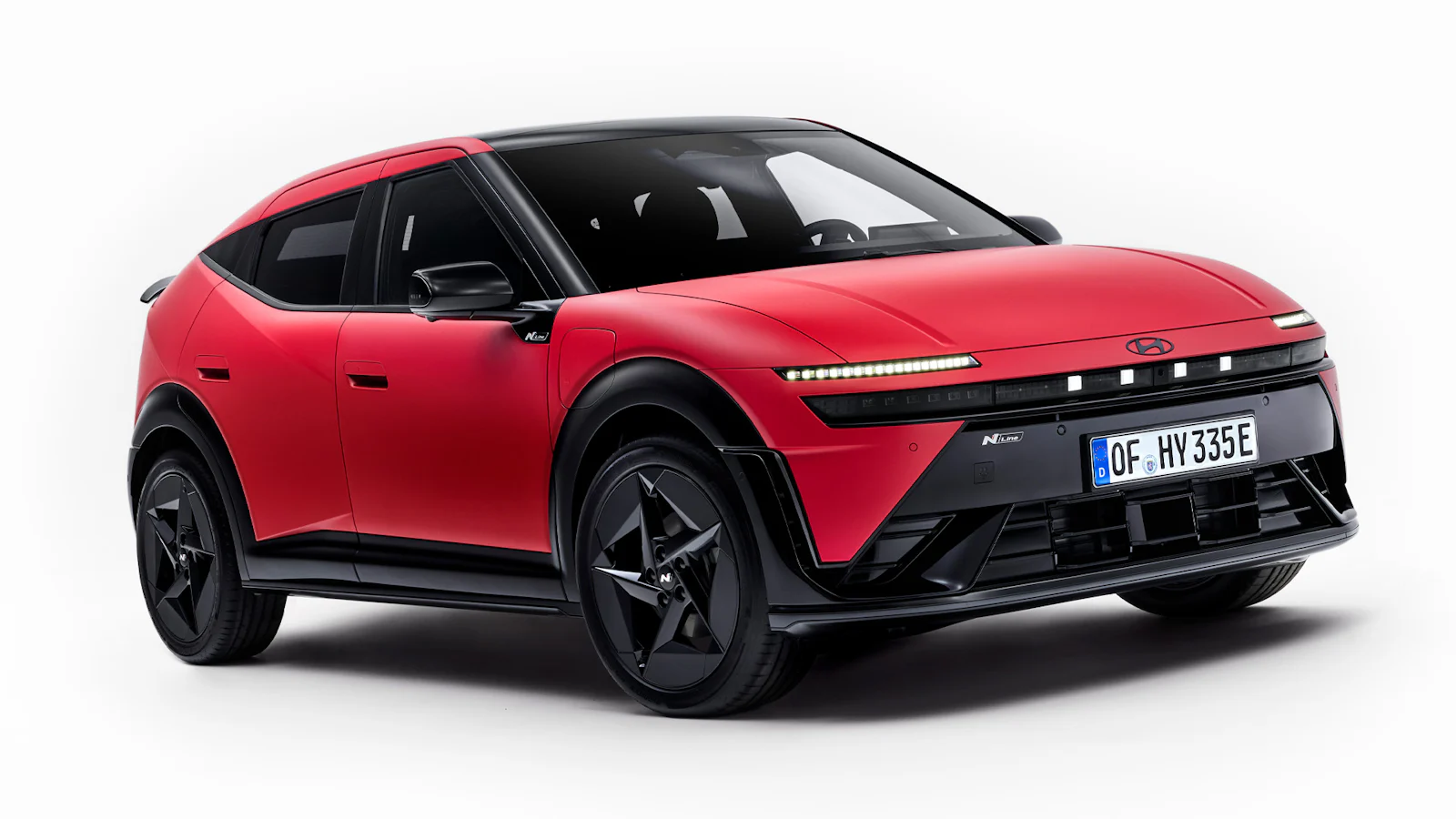
From the side, it has a similar silhouette to the Genesis GV60 thanks to the sloping roofline. I especially like the way the windows come to a point at the rear of the car; it makes it look a bit like a racing helmet. I’m not sure that’ll be great for letting light into the rear seats though.
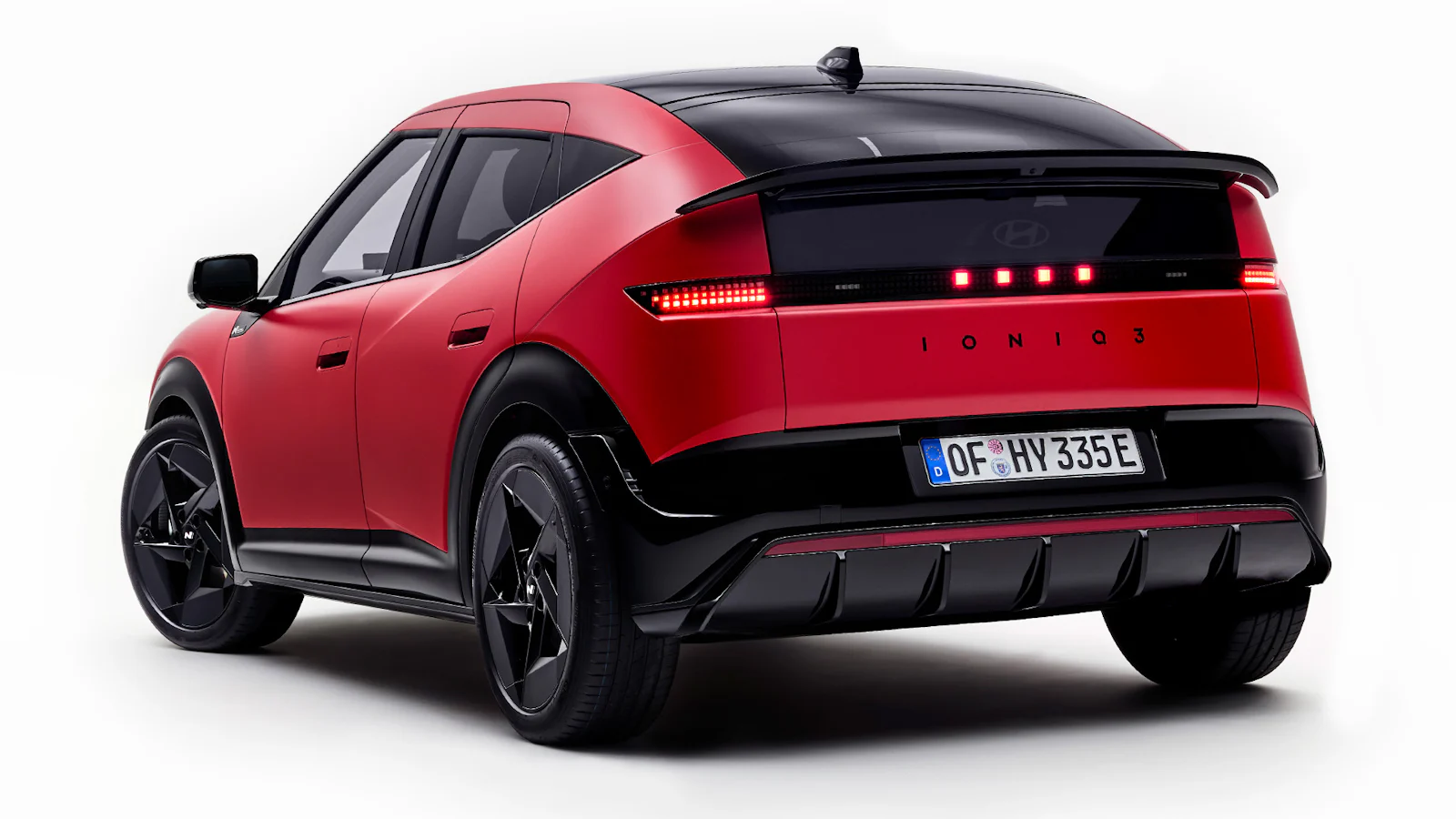
This is the N-Line version, which means it has a more sporty-looking bodykit and a large spoiler across the tailgate. Those four pixels from the front are also replicated at the rear, however that fake rear diffuser is a bit OTT in my opinion.

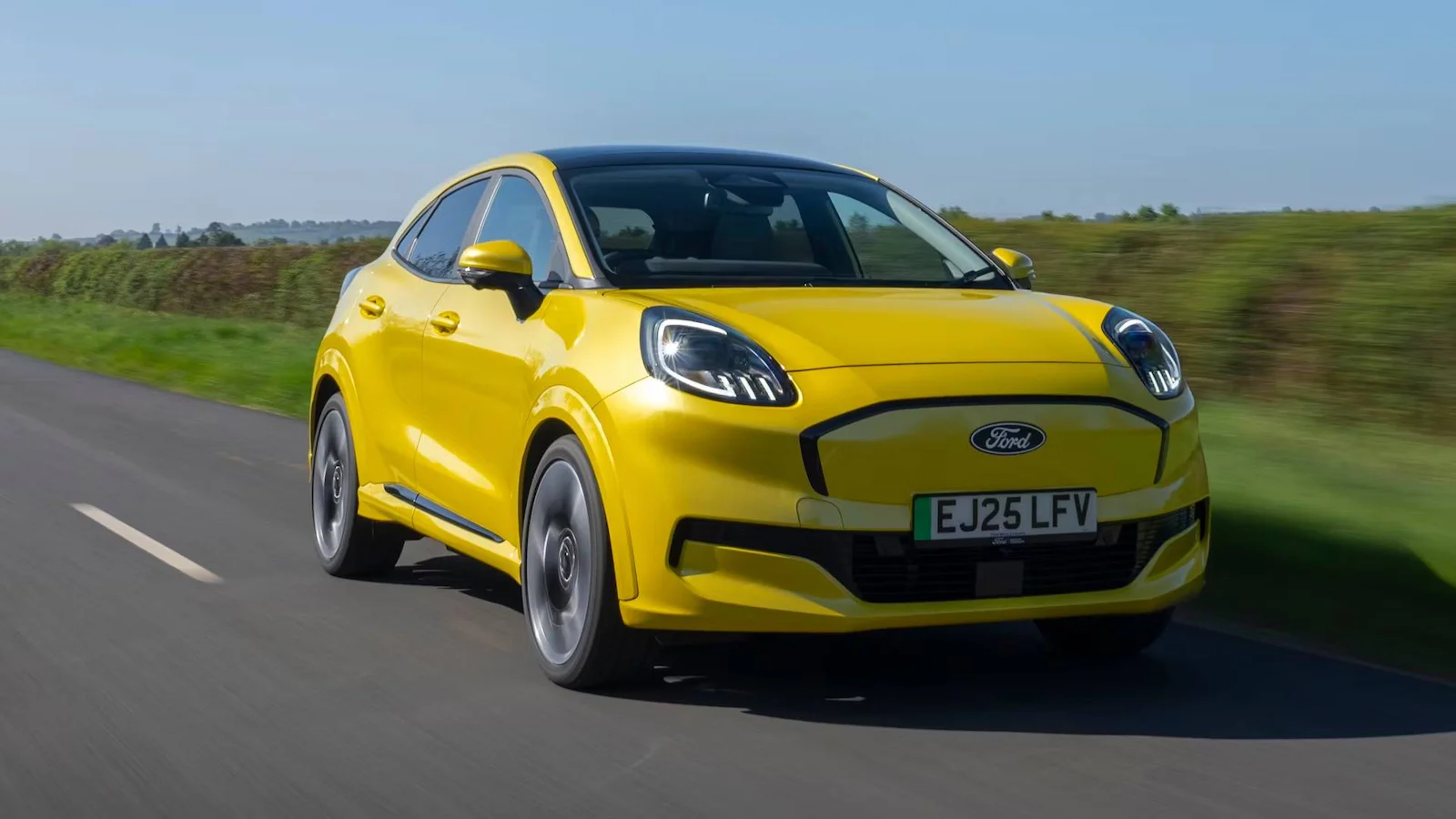
How does the Ioniq 3 compare to the alternatives? Well, if you want something that looks totally different from anything else, it’s a slam-dunk for the Hyundai. The Renault 4 and Mini Aceman have that modern-retro vibe working in their favour, and both would be considered more traditionally handsome. The Ford is smart as well, but in this company it’s starting to look a bit dated.
New Hyundai Ioniq 3 motors, batteries and range: how far will it go on a charge?
The new Hyundai Ioniq 3 is available with two battery options: the Standard Range model gets a 42kWh pack, while the Long Range gets 61kWh.

The smaller battery gets you 214 miles of range according to official tests, whereas the Long Range version will do 308 miles between charges. Both can be topped up from 10-80% in around half an hour at a DC fast charger.
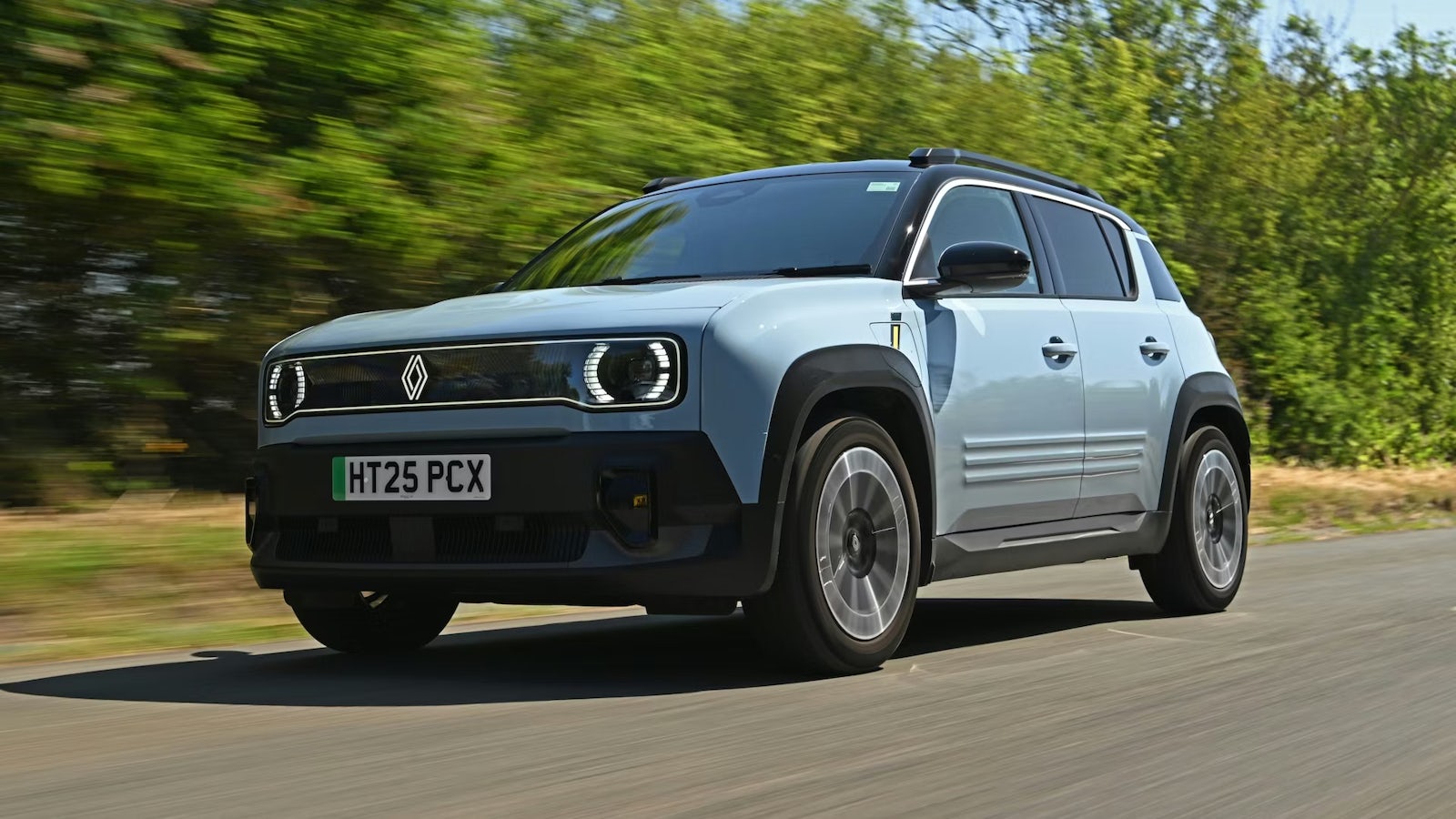
By comparison, the Renault 4 offers up to 250 miles on a charge, while the Ford Puma Gen-E will do 259 miles. The Mini Aceman tops out at 251 miles, so it’s a win for the Ioniq 3 on the range front. We’ll just have to see how close we can get to the claimed figure in reality when we get behind the wheel in the coming months.
As for performance, all versions of the Ioniq 3 come with a single motor powering the front wheels, and you can choose between 135hp or 147hp outputs. It’ll do 0-62mph in 9.6 seconds and 9.0 seconds respectively.
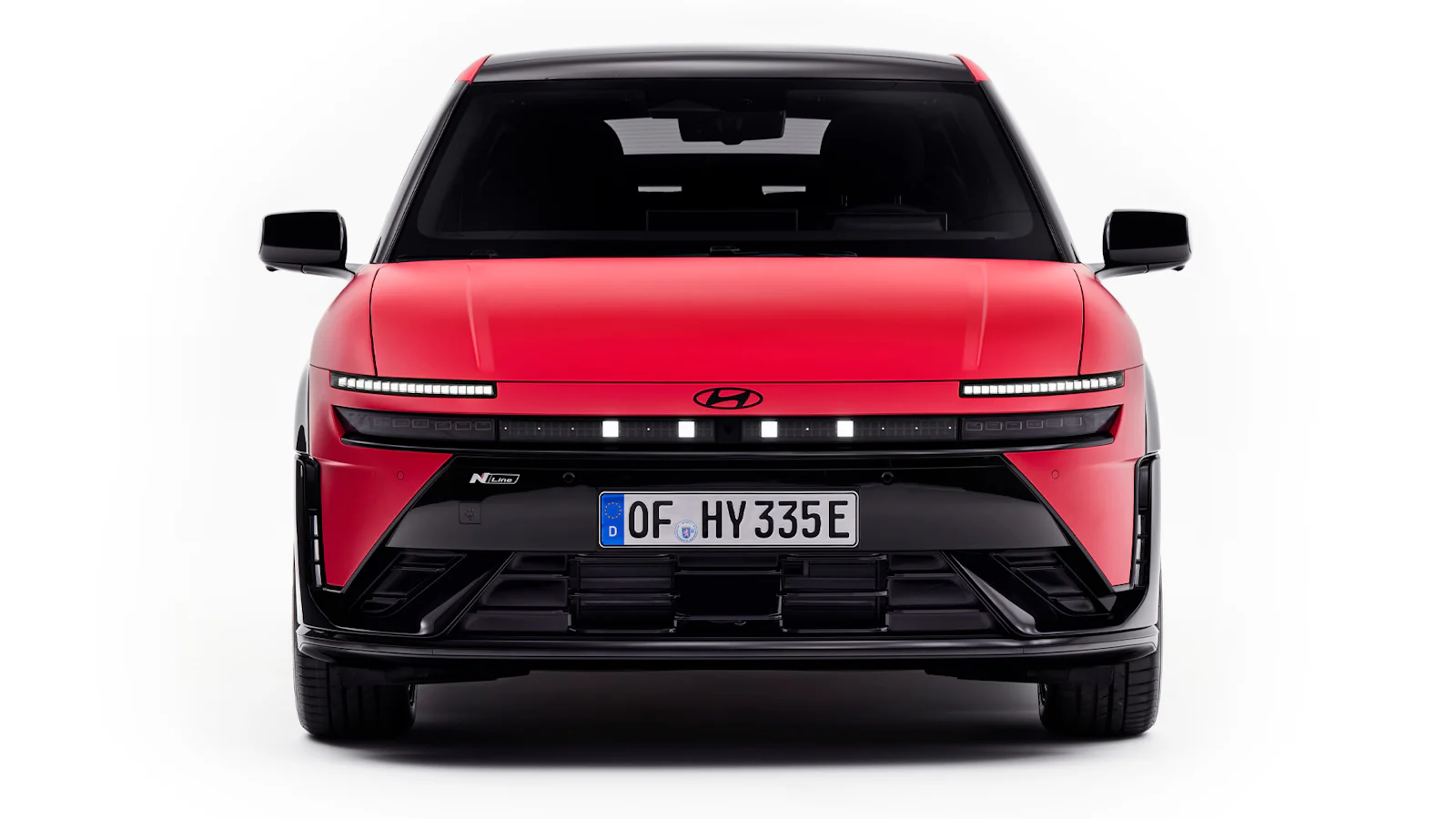
That’s a full second slower than a Ford Puma Gen-E, and the Renault 4 is also quicker to 62mph. The Mini Aceman is also available in hot JCW form with 258hp and a 0-62mph time of 6.4 seconds, so it’s the one to choose for hot hatch kicks.
That is unless Hyundai comes out with an N Performance version of the Ioniq 3. This isn’t confirmed officially, but isn’t beyond the realms of possibility given the brand’s track record of making brilliant sporty electric cars.
New Hyundai Ioniq 3 interior and technology: Android integration for the first time
Sitting proud in the middle of the Ioniq 3’s interior is a large touchscreen which runs on Android software, the first Hyundai model ever to get it. Display sizes start at 12.9 inches, rising to 14.6 inches in higher-spec cars.

While it’s not quite the same as the Google-based system you get in a Renault 4, which includes apps like Spotify and Google Maps built in, having an Android-based setup means the infotainment system should operate like your smartphone, making it easier to use. We’ll be getting hands-on with it soon, and will report back on the user experience.

The interior itself also features something the Ford and Mini do without: physical climate control buttons. These are way easier to use on the move than a touchscreen-based setup, so props to Hyundai for retaining proper switchgear.
As for the interior design, the Ioniq 3 looks much more modern than the aging Ford Puma Gen-E thanks to the multi-layered dashboard and slick digital driver’s display mounted above the steering wheel, but it doesn’t have quite the same retro charm as the Mini Aceman or Renault 4.

I love the funky denim fabric you can get in the Renault, and the Mini is also available with loads of personalisation options. There are a few interior colours to choose from in the Ioniq 3, including a black and beige option which should brighten things up a bit, but the Renault 4’s cabin does have a bit more character.
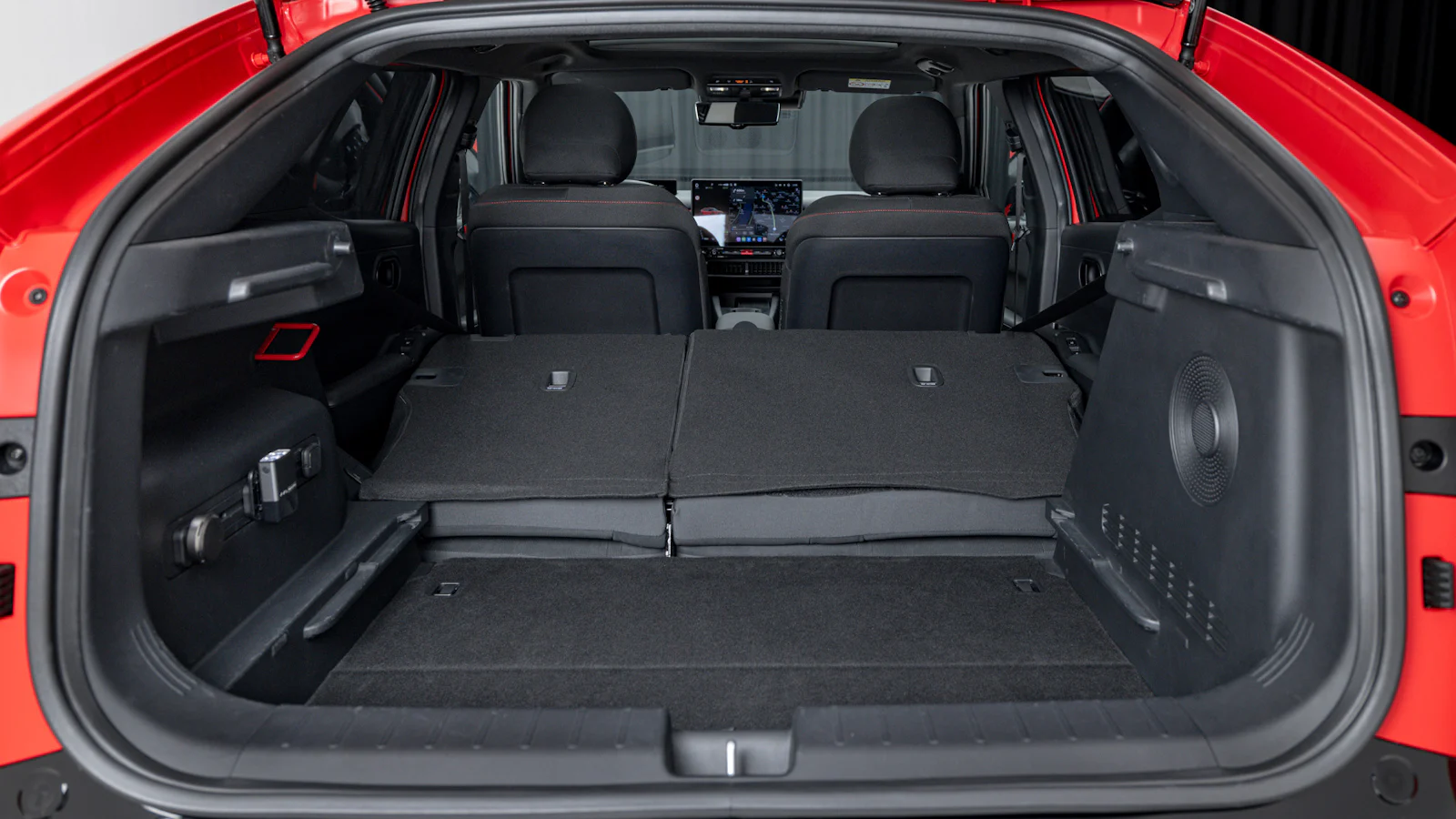
Quickly touching on boot space, the Ioniq 3 gets 441 litres of cargo capacity. That’s including the 119-litre “Megabox” storage area under the boot floor, leaving you with 322 litres of space above it.
The Ford Puma Gen-E has a similar party piece with its “Gigabox”, giving that car up to 523 litres of boot space. The Ioniq 3 is around 20 litres up on the Renault 4 though, and it wipes the floor with the Mini’s 300-litre boot.
New Hyundai Ioniq 3 verdict: is this car worth waiting for?
If you’re after a funky-looking small electric car with a decent-sized boot, plenty of tech and a good amount of range, I reckon the new Hyundai Ioniq 3 will be worth looking at when it goes on sale.
You’ll have to wait until we get hands on with the car for a full verdict though, because then we’ll be able to tell you what it’s like to drive, how spacious it is and what the build quality is like.
Pricing for this car also hasn’t been announced yet, and that will play a huge part in your buying decision. We reckon it’ll cost around £30,000, putting it roughly in line with its rivals from Ford, Renault and Mini.
Car change? Carwow!
Looking for a new set of wheels? With Carwow you can sell your car quickly and for a fair price – as well as find great offers on your next one. Whether you’re looking to buy a car brand new, are after something used or you want to explore car leasing options, Carwow is your one stop shop for new car deals.
Click here to follow us on Reddit, where you can keep up-to-date with all the latest news, reviews, advice guides and videos. You can also subscribe to our WhatsApp channel to get the latest news sent straight to your phone.