Jaecoo 7 vs BYD Seal U: Mat Watson chooses his favourite budget Chinese SUV
February 10, 2026 by Mat Watson

Love them or hate them, you can’t deny that Chinese SUVs are becoming hugely popular in the UK. Despite only being around for just over a year, the Jaecoo 7 was the second most-popular car sold in January 2026, and the BYD Seal U came sixth on the list.
So lots of people are buying them, but are they actually worth your cash? Well I’ve thoroughly tested both the Jaecoo 7 and the BYD Seal U, and I’m going to compare the two to help you decide if either is right for you, as well as choose which I prefer.
Jaecoo 7 vs BYD Seal U: price, deals and value for money
Let’s start by talking about money, because, let’s face it, the price tag is the main reason to consider either of these cars.
The Jaecoo 7 starts from just over £30,000 for the petrol model, or £35,000 if you go for the plug-in hybrid. You can save an average of £1,900 through Carwow at the time of writing, and lease prices start from around £250 per month for the petrol engine and £260 per month for the PHEV.

As standard you get 19-inch alloy wheels, a panoramic glass roof, heated front seats, adaptive cruise control and a surround-view camera system. For an extra £3,800 you can step up to the Luxury trim, which gets you a slightly larger touchscreen, ventilated front seats, a heated steering wheel and a head-up display.
It’s also worth noting that the PHEV version is only available in Luxury trim, so you get all of the above for £35,000.
The Seal U is only available as a plug-in hybrid, and it starts from just over £33,000. That makes it a smidge cheaper than the equivalent Jaecoo 7 PHEV, and leasing prices start from around £260 per month.

You get an insane amount of equipment, and every model comes with the same standard specification. You get heated and ventilated front seats, a 360-degree camera system, adaptive cruise control, a heated steering wheel and a head-up display.
So both cars come with plenty of toys, but the BYD Seal U represents better value for money by the slimmest of margins.
Jaecoo 7 vs BYD Seal U: design and desirability
Just because you’re shopping for a budget-friendly SUV doesn’t mean you don’t care about style, and the Jaecoo 7 certainly looks more expensive than its price tag would suggest.
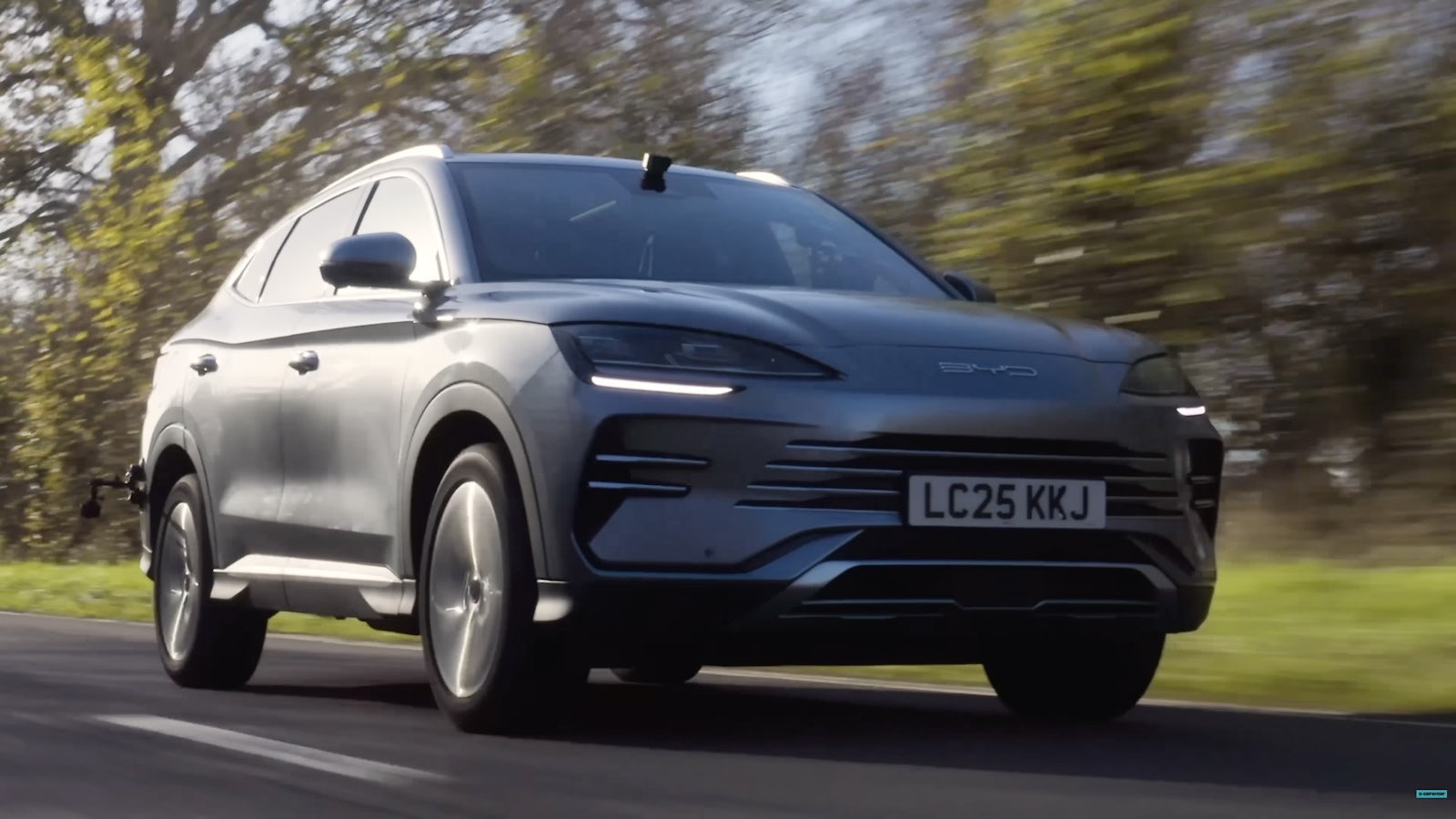
It’s got a sort of “mini Range Rover” look to it, and that’s no bad thing. I like the bold, imposing front grille and boxy side profile – it looks pretty rugged. The pop-out door handles also add to the premium look, and the way Jaecoo has hidden the rear wiper under the spoiler is a nice touch which is borrowed from Range Rover.

By contrast, the BYD Seal U looks a bit blobby and generic. It’s not an ugly car per se, but it doesn’t stand out as much as the Jaecoo or a Peugeot 3008. The sloping rear end does lend it a sportier look than the boxy Jaecoo, but if you’re after a car which turns heads this isn’t it.

Jaecoo 7 vs BYD Seal U: interior and technology
These cars are more closely-matched in terms of their interiors, because both feel posh and come packed with tech.
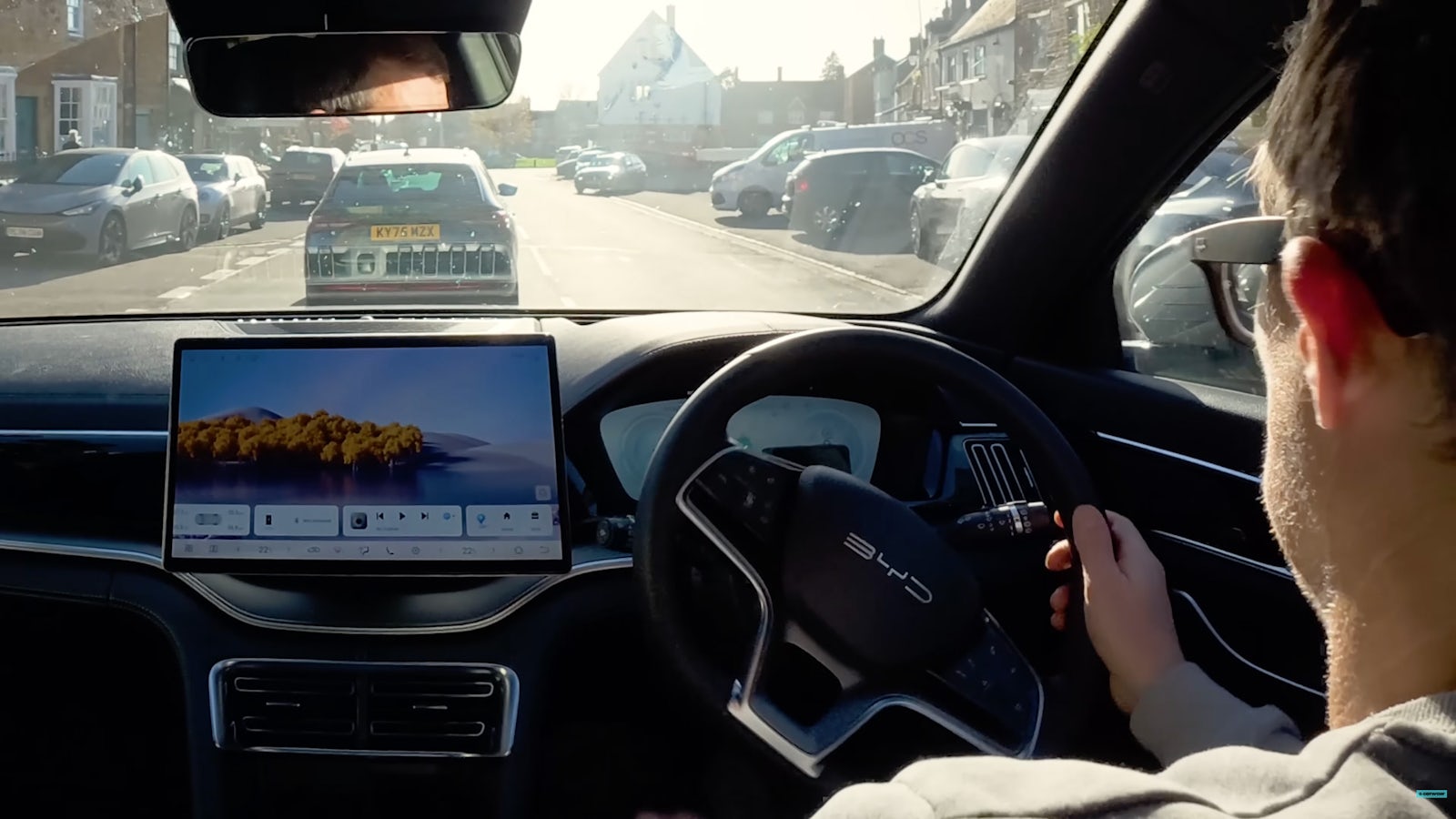
The Jaecoo 7’s cabin has a minimalist design with a 14.8-inch portrait touchscreen dominating the dashboard. It’s bright, responsive and pretty easy to use, although I was a bit baffled to find there’s no volume control for the stereo apart from the one on the steering wheel.
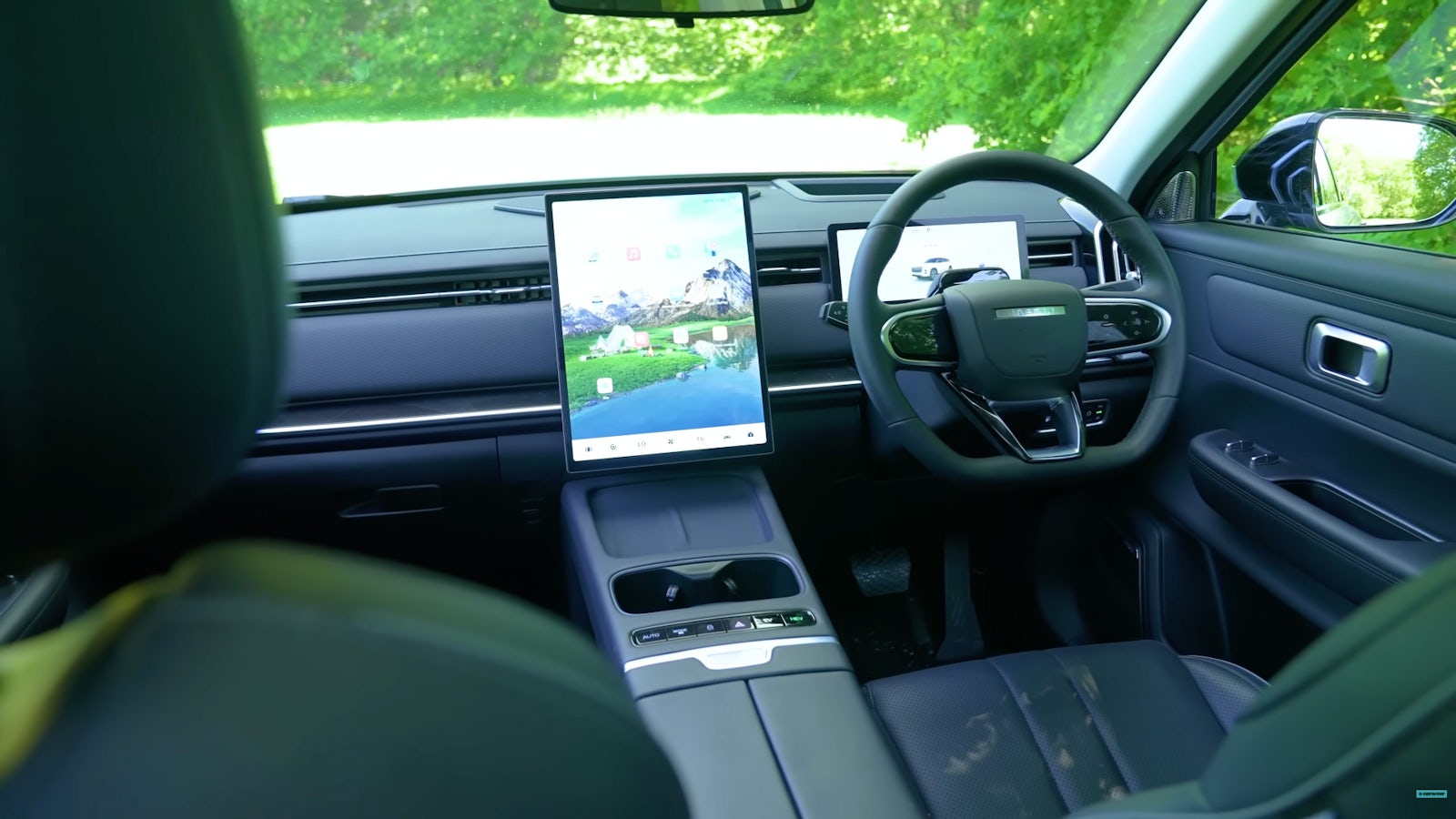
Material quality is excellent in the Jaecoo, with plenty of soft touch materials and metallic trim making it feel much more premium than you’d expect in a car as affordable as this.
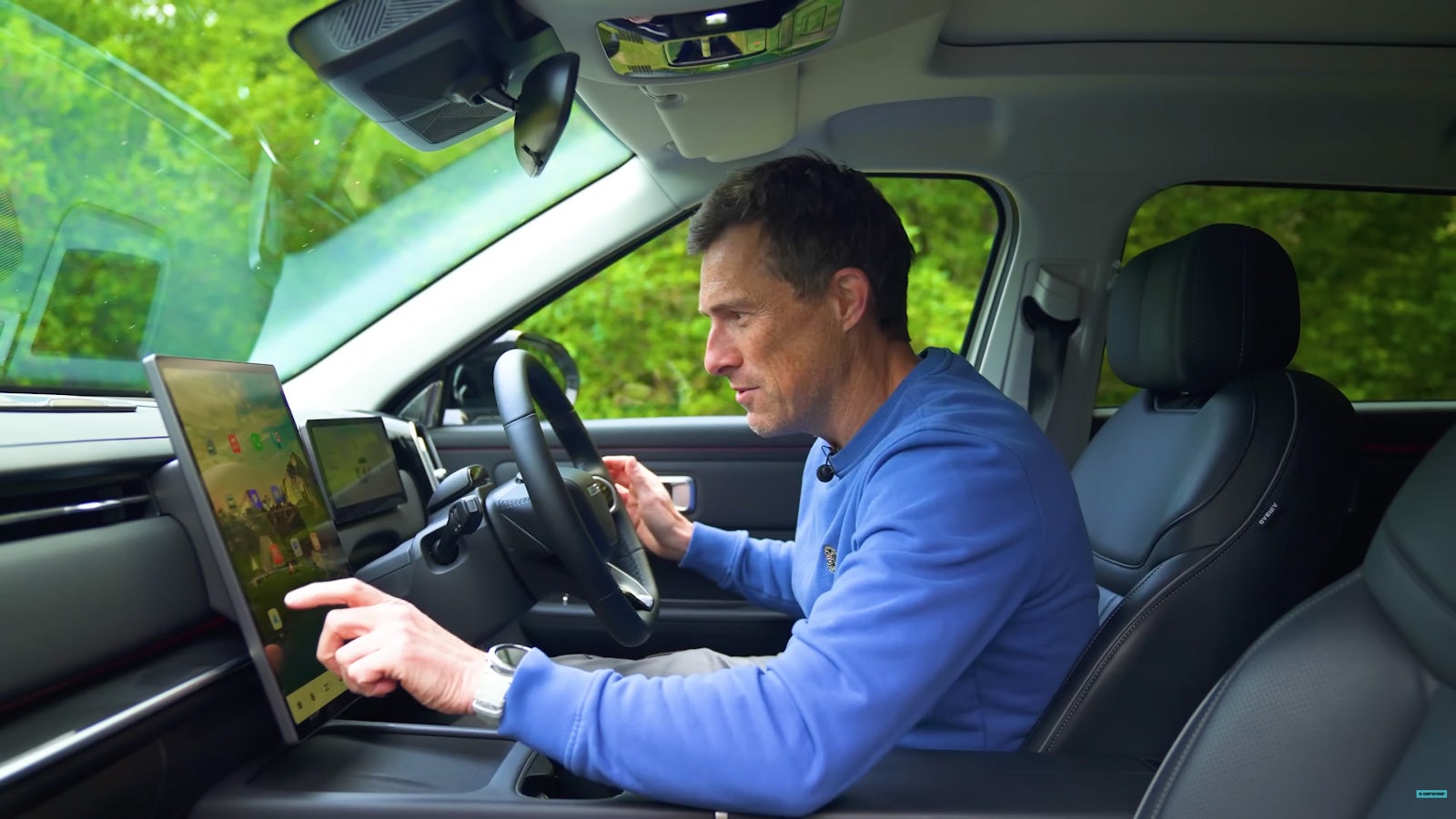
You can say the same for the BYD Seal U as well, because the interior feels really solid and I like the leatherette you get on the centre console with the green stitching. I’m not sold on the dashboard design though, because the huge swathe of gloss black plastic sort of reminds me of a Jaguar XF from the late 2010s – it’s a bit dated.

I can’t really fault the screen though. At 15.6 inches across it’s a bit bigger than the Jaecoo’s, and it has a neat party trick where you can rotate it from landscape to portrait. That’s a cool gimmick to show off for the first few weeks of ownership, but ultimately it’s not overly useful.
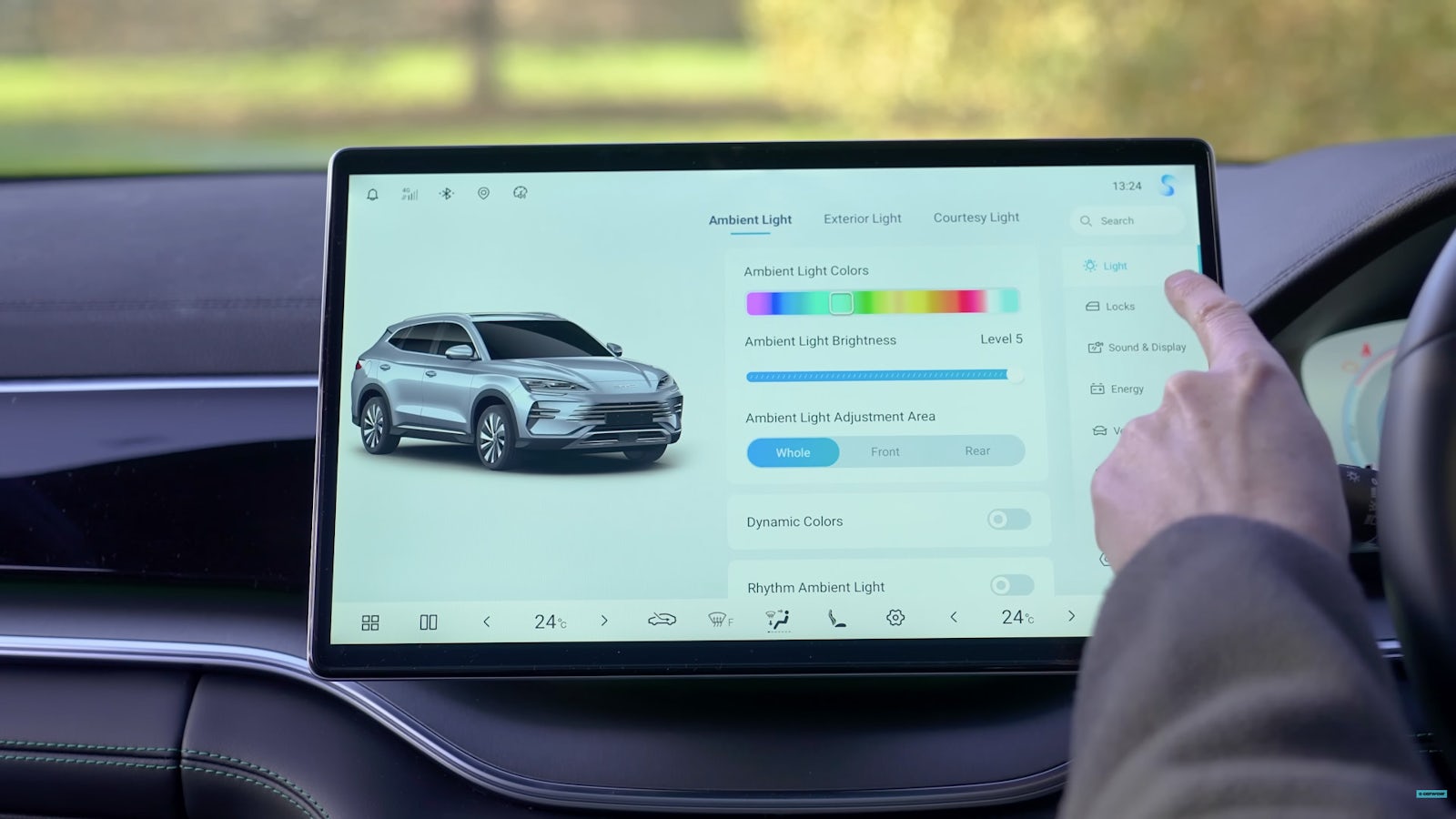
The screen itself is responsive and easy to use, and the BYD has a few more physical shortcut buttons than the Jaecoo which makes it easier to access things on the move.
Jaecoo 7 vs BYD Seal U: space and practicality
In terms of practicality, choosing between these two cars is tough. Both are pretty spacious, but one of them has the edge.

The BYD Seal U offers loads of space inside, with roomy rear seats which will accommodate even the tallest of adults. Carwow’s associate producer James Drujon lived with a Seal U for six months, and he found it easy to fit his bulky rear-facing child seat in the back.

However, when it comes to the boot the BYD falls behind some alternatives. At 425 litres it’s a whopping 75 litres smaller than the Jaecoo’s luggage area, and an MG HS offers 507 litres of space. The sloping rear end also makes it tricky to load the Seal U up to the roof.
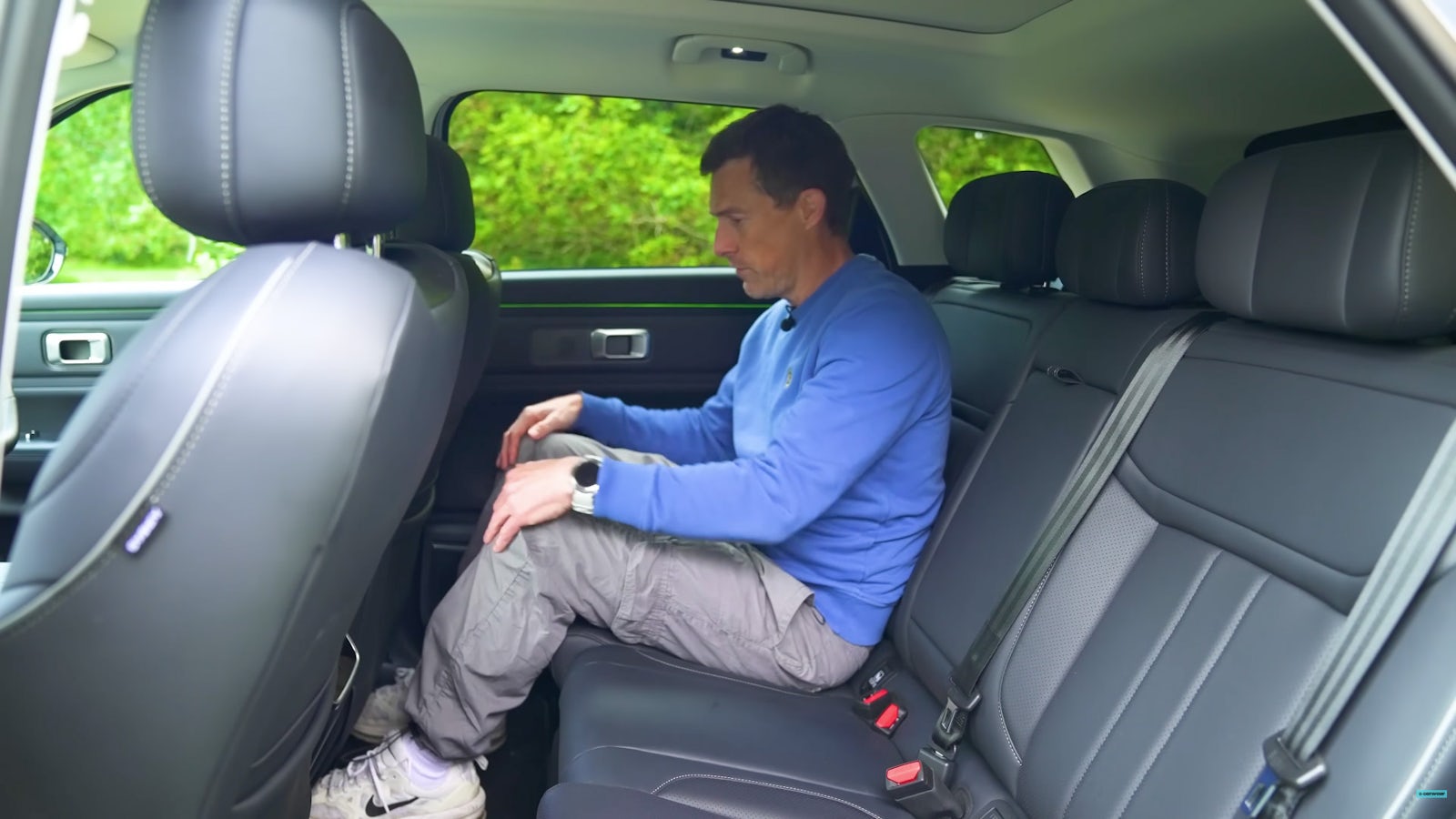
The Jaecoo doesn’t only have a bigger boot, it’s more spacious in the back seats as well. Admittedly there’s not a huge amount in it, but the Jaecoo 7 has a bit more headroom thanks to the boxy shape, and the larger windows make it feel less claustrophobic as well.
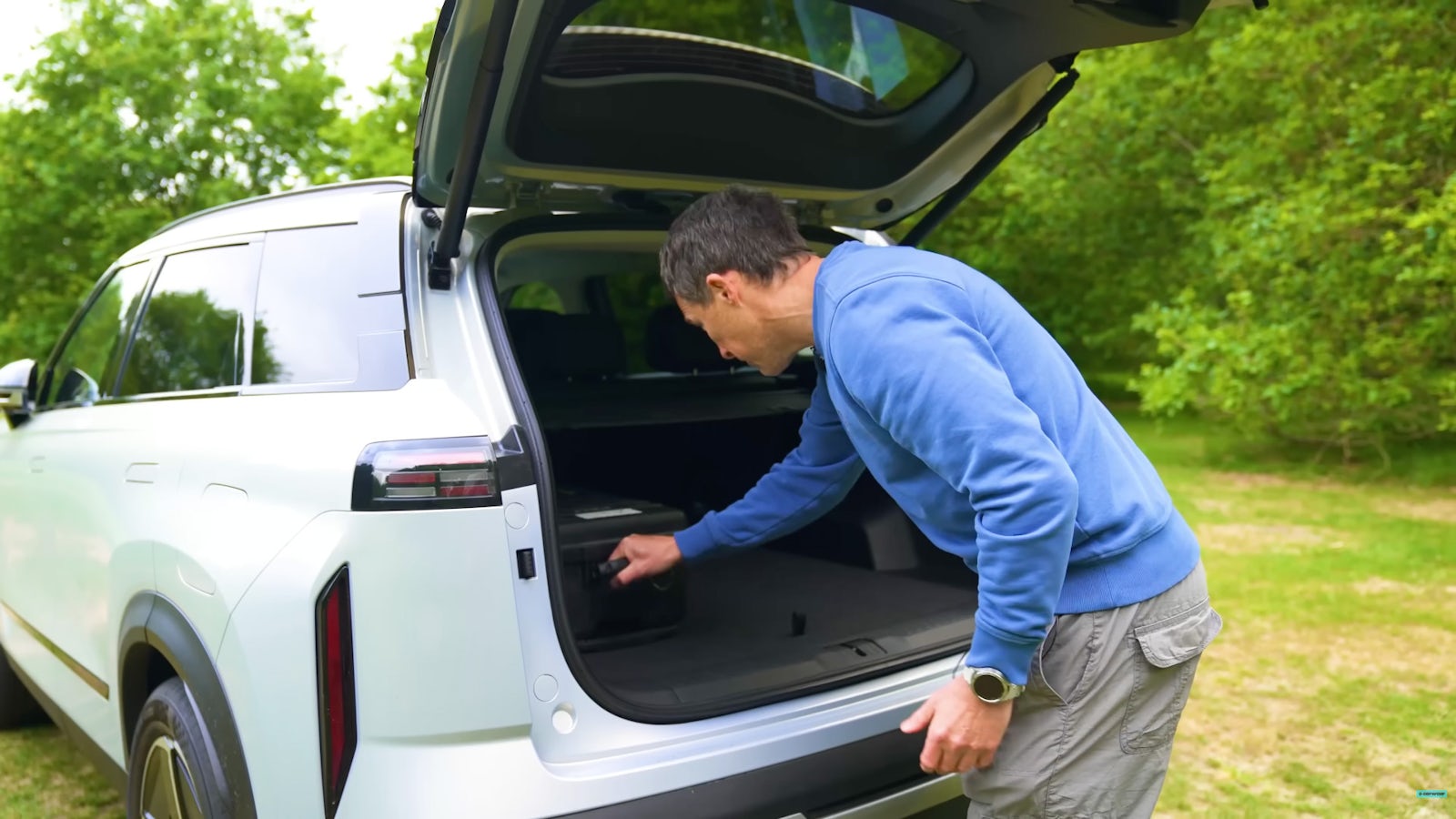
So if it’s practicality you’re after, the Jaecoo 7 is the better car of these two. You should also consider an MG HS if you want a cheap and spacious family SUV.
Jaecoo 7 vs BYD Seal U: engines and driving
The Jaecoo 7 is available with two engine options. There’s the 1.6-litre petrol engine with 147hp, which you should avoid because it’s noisy and not very economical, or there’s the much smoother 1.5-litre petrol plug-in hybrid.

The Seal U is only available with a plug-in hybrid engine, but you can choose between a couple of battery options – the largest of which offers an impressive 77 miles of all-electric range. The Jaecoo tops out at 56 miles of range.
Out on the road, the BYD’s hybrid system is really impressive. It seamlessly switches between electric and petrol power, making it a relaxing car for wafting around town. It’s a pretty good motorway cruiser as well, with a hushed cabin at speed.
The suspension isn’t great though, especially on a twisty road. It’s quite soft and wallowy when you send it into a corner, but over sharper bumps you get a harsh thud through the cabin.
That said, the Jaecoo isn’t miles better in this respect. It doesn’t lean as much through the bends, but it’s still quite fidgety over bumps and the vague steering doesn’t inspire a huge amount of confidence either.
At least the hybrid engine is nice and refined, if not quite as smooth as the BYD’s. It feels punchy enough from a standstill thanks to the electric motors, and on the motorway it stays nice and quiet.

Neither of these SUVs could be considered driver’s cars – if you want something which is fun to drive I’d recommend a Ford Kuga. The BYD edges ahead for me in this respect because of its impressive electric range and refined hybrid engine.
Mat’s final verdict: which car would I buy?
It’s a really close call between these two cars, because both offer insanely good value for money.
With my sensible head on, I think the BYD is a slightly better all-rounder despite its smaller boot. It comes with a bit more kit as standard, and I think it has a better hybrid engine than the Jaecoo.
However, if it were my money I think I’d buy the Jaecoo 7 – purely because it looks more premium than the price tag suggests. The Range Rover-esque styling appeals to my inner snob, and the larger boot is a plus point as well.
Car change? Carwow!
Looking for a new set of wheels? With Carwow you can sell your car quickly and for a fair price – as well as find great offers on your next one. Whether you’re looking to buy a car brand new, are after something used or you want to explore car leasing options, Carwow is your one stop shop for new car deals.
Click here to follow us on WhatsApp, where you can keep up-to-date with all the latest news, reviews, advice guides and videos.
Compare cars using Carwow