How to drive a van: tips for beginners
March 05, 2026 by Tom Wiltshire

You probably won’t be driving a full-sized lorry or a dump truck any time soon – but it’s very likely that you might drive a van. Whether you’re driving one for work, or borrowing or renting one for a house move or to pick up a large purchase, vans are very accessible.
While modern commercial vehicles are very similar to cars in a lot of ways, there are still a few key differences – the size, driving position and visibility are all worth considering, among other factors. So this guide will tell you how to drive a van, and how different driving a van is compared to a car, so you’re equipped before you get behind the wheel.
Remember, you can buy a brand new or used van right here on Carwow. And you can sell your old van, too. We’re here to help you through every step of your journey.
How hard is it to drive a van?
That depends on what kind of van you’re looking at. Small vans, such as the Ford Transit Courier or Citroen Berlingo, are barely any different to a passenger car to drive – in fact, many of them have passenger variants available.
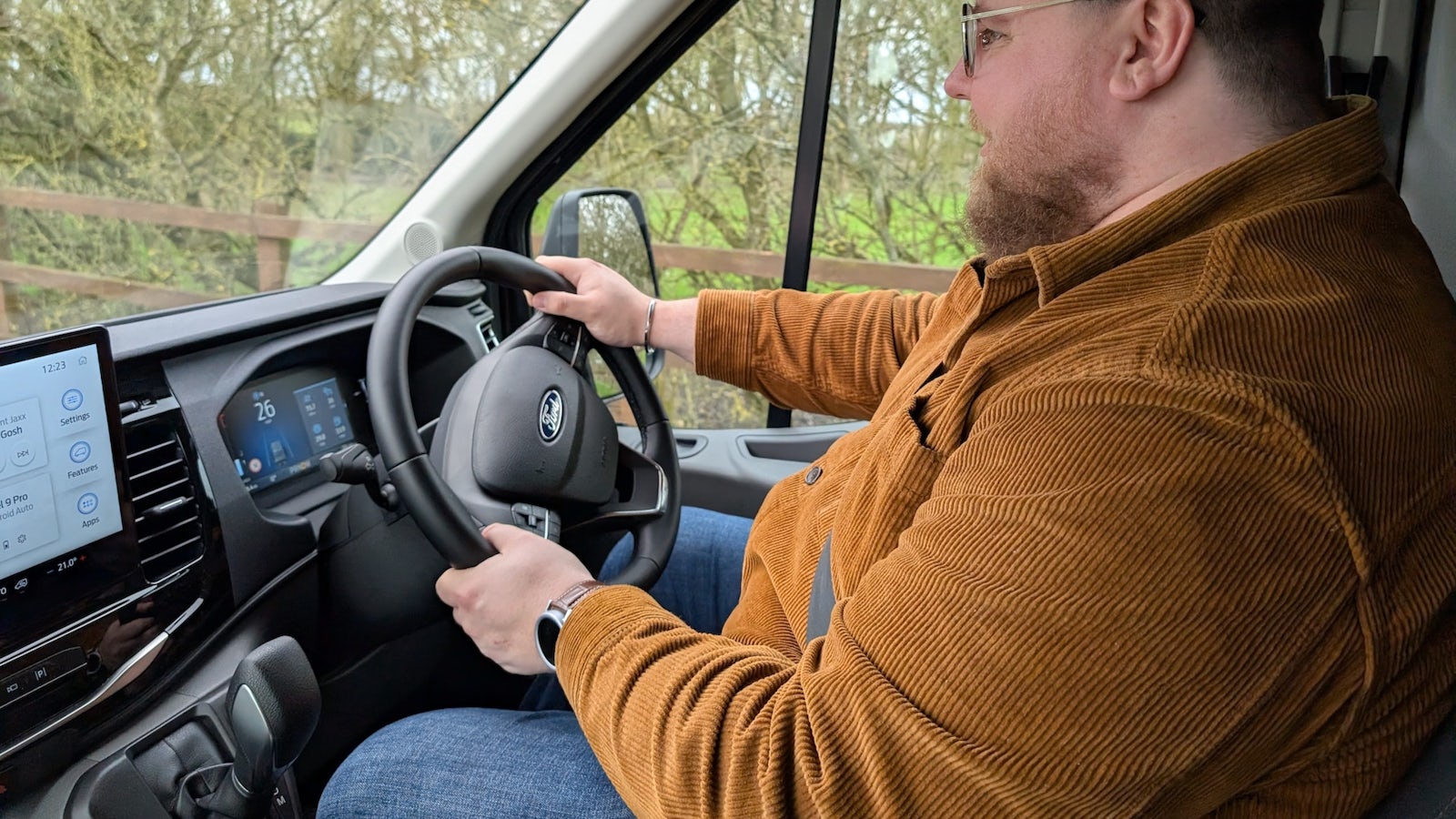
On the other end, a large panel van such as an Iveco Daily or Mercedes Sprinter – especially if they’re extra-long, extra-high models – can be a fair bit more difficult, especially if you’re manoeuvring them around a tight city or trying to park them.
There are a few key things to bear in mind when you’re driving a van…
Tips for driving a van
Know your size
Most vans are larger than passenger cars, and that’s especially true of big panel vans like the Mercedes Sprinter or Iveco Daily. The difference is even more stark if you’re driving a specialised vehicle, such as a box van or a tipper, which may have extra equipment on the back.
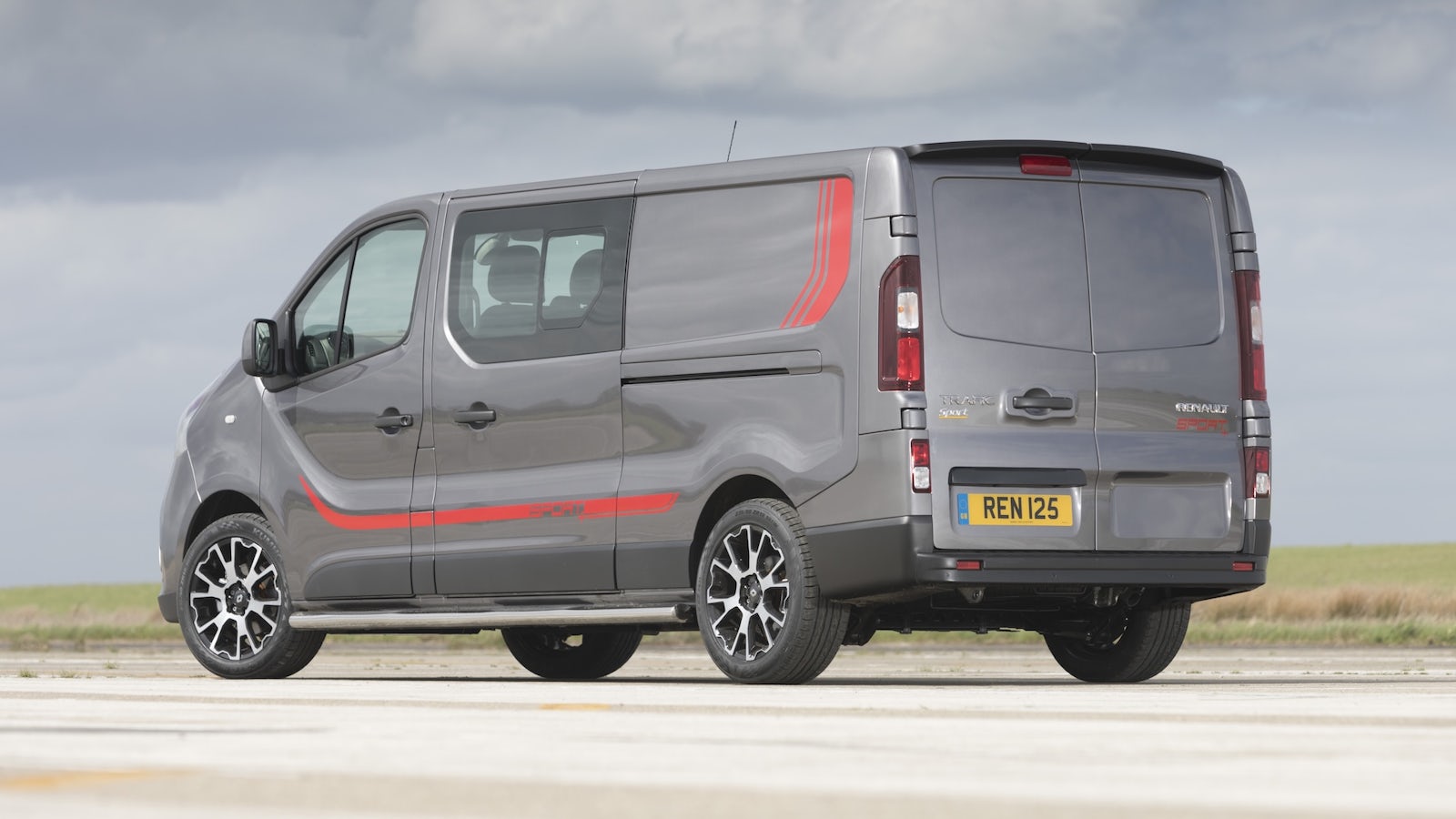
You should consider your vehicle’s length when manoeuvring – you’ll need to take a wider line around corners, and watch carefully in your mirrors to make sure the vehicle’s rear end goes where it should. Also consider your height – you’ll need to know it if you’re going into anywhere with a height restriction such as a multistorey car park, but for taller vehicles you may come afoul of overhanging tree branches.
Consider visibility
Most vans don’t have side or rear windows, so your visibility is significantly reduced especially to the rear of the vehicle. This isn’t a massive deal when you’re driving on a motorway or a country road, but around town especially it requires careful use of your mirrors. Van mirrors are usually larger because of this, and often have a wide-angle portion at the bottom.

You should be especially careful when changing lanes, as your blind spot to the left of the vehicle is very large with no ability to look over your shoulder. Also watch out when parking as the long rear of the vehicle can be difficult to judge. It’s okay to get out and double-check! Many vans can now be optioned with sensors, cameras and blind-spot monitors – but these aren’t standard equipment on most models, so don’t rely on them.
Get familiar with the controls
A van’s cab will feel quite different to the one in your car. You sit far higher, for a start, even in relatively small vans, and with a more upright seating position. Very tall drivers may find it difficult to get comfy, as a van’s seat won’t always go very far back due to the bulkhead behind it.
The majority of vans have manual gearboxes and diesel engines, a combination that’s becoming much rarer in passenger cars – so be sure you’re ready. If you only have an automatic licence, declare that at the outset to whoever you’re buying or borrowing the van from. Otherwise, most of the incidental controls are the same – with climate controls, infotainment and dials all very familiar. The only additions may be some extra controls for things like a taillift or an alarm system.
Watch your speed
There are two facets to this – the first is the legal. Vans have different speed limits to cars, even small ones – which means that on National Speed Limit roads, you need to watch out. On a single carriageway, your speed limit is 50mph, on a dual carriageway it’s 60mph and only on a proper M-labelled motorway is it 70mph.

But you also need to think carefully about safety. Vans are bigger, heavier vehicles and so don’t change direction or stop as quickly as cars do. Especially if you’re heavily laden, you should leave more margin for error – which means slowing down in the corners and leaving more space to the car in front.
How different is driving a van to driving a car?
The biggest difference for most people is the visibility – this really requires an alteration in how you drive, and most first-time van drivers will find themselves constantly on the lookout for a centre mirror that doesn’t exist. You need to rely much more on your side mirrors, and approach junctions in a way that allows you to see.
The size is also very different, particularly if you’re going from a small car to a large van. You should take care around tight corners, as unlike a small car the van’s rear wheels will clip kerbs or mount roundabouts if you don’t take a wide line at the outset.

However, in many respects driving a modern van isn’t much more difficult than a car. They are mostly diesel-powered and equipped with manual gearboxes, which could be an adjustment, but the controls are light and accurate – nothing like the rather agricultural vans of yesteryear. And you can get numerous automatic or electric vans to make life even easier.
Extra tech such as cameras and parking sensors can also take the sting out, making a van no more difficult to drive than a car – just harder to park.
Driving a van FAQs
Can a first time driver drive a van?
Yes, after passing your standard car driving test you’re fully covered to drive vans up to 3.5 tonnes in weight – which encompasses most vehicles on the market right up to large panel vans. Specialist or heavy-duty vehicles may go over this weight limit, at which point you need an extra category on your driving licence.
Can you do 70mph in a van?
Yes – but only on a properly M-labelled motorway like the M1, M25 or A1(M). Dual carriageways – even large ones with lots of lanes – carry a 60mph limit, and single carriageways have a 50mph limit.
Change your van with Carwow
Time to trade in your van? With Carwow you can sell your van quickly and for a fair price – as well as find great offers on your next one. Whether you’re looking to buy a van brand new, are after something used or you want to explore van leasing options, Carwow is your one stop shop for van changing.
Click here to follow us on Reddit, where you can keep up-to-date with all the latest news, reviews, advice guides and videos. You can also subscribe to our WhatsApp channel to get the latest news sent straight to your phone.
Compare cars using Carwow