Do you pay road tax on an electric car?
December 01, 2025 by Siobhan Doyle
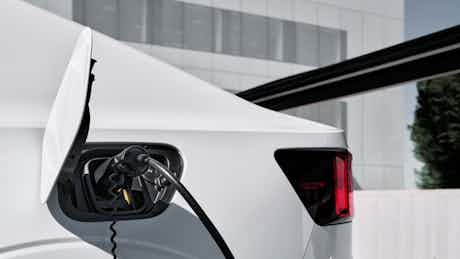
Unsure if you need to pay road tax on an electric car? Get up to speed with the latest rules on EV taxation and what they mean for you.
If you’re thinking about switching to an electric car, one of the first questions you’ll probably ask is: do you pay road tax on an EV?
Until recently, the answer was a simple “no” – but that’s now changed. Electric cars are no longer fully exempt from Vehicle Excise Duty (commonly known as road tax), marking the end of one of the key incentives for zero-emission motoring. What’s more, the government has announced a new pay-per-mile system that will further affect running costs for electric vehicles from Spring 2028.
Confused? We break down exactly what road tax is, the latest changes, and what the new per-mile charges mean for EV owners.
What is road tax?
Let’s get a pedantic point out of the way – road tax isn’t really road tax at all, it’s Vehicle Excise Duty (VED). The revenue from VED isn’t ringfenced to pay for roadbuilding and repairs, so calling it road tax is technically misleading.
Instead, ‘road tax’ (as almost everyone calls it) is paid by most car owners as a way for the government to raise revenue, and it’s structured in a way to encourage people to drive lower-emission vehicles.
Did you know you can buy a brand new or electric car right here on Carwow? We’re here to help you through every step of your car-changing journey.
How is road tax calculated?
When you buy a car in the UK, the first 12 months of Vehicle Excise Duty (VED) are typically included in the buying price. How much you pay depends on the car’s emissions and registration date, with higher‑polluting vehicles paying more in the first year.
Since April 2025, the rules are:
- Fully electric cars now pay £10 in their first year. They are no longer fully exempt.
- Cars emitting 1-50g/km CO2 (mostly plug-in hybrids) pay £110 in year one.
- Cars emitting 51-75g/km CO2 pay £130.
- Cars emitting more than 75g/km CO2 (typically petrol or diesel models) face higher first‑year charges, ranging up to £5,490 for the most polluting cars.
From the second year onward, most cars, including petrol, diesel, hybrid, and electric vehicles, pay a standard annual VED of £195. This change removes previous exemptions and discounts for hybrids and electric cars.
Expensive Car Supplement (ECS)
Cars with a list price over £40,000 pay an extra £425 per year for years two through six. Fully electric cars above this threshold are also subject to this charge. From 1 April 2026, the threshold for zero‑emission cars will increase to £50,000, meaning some EVs will no longer pay the supplement.
Older vehicles (registered before April 2017)
Vehicles registered between March 2001 and March 2017 are taxed based on CO2 emissions bands under legacy rules. Most older electric cars in this group now pay a modest £20 per year.

The new pay-per-mile system
In addition to road tax, the government is introducing a pay-per-mile road charge for electric and plug-in hybrid cars from April 2028. Announced in the 2025 Autumn Budget, this is designed to recoup lost fuel duty revenue as more drivers switch to EVs.
Here’s a breakdown of what to expect:
- EV drivers will pay 3p per mile.
- Plug-in hybrid drivers will pay 1.5p per mile.
- The system is currently under consultation, with full implementation expected in Spring 2028.
For example, if you drive an electric car 8,000 miles per year, the charge would be £240 annually. That’s still roughly half of what the average petrol car driver would pay in fuel duty for the same mileage, so EVs remain cheaper to run in most cases.
However, this calculation assumes you can charge your EV at home, where electricity is significantly cheaper. If you rely mainly on public charging networks, these new per-mile costs could make an EV slightly less attractive financially.
So, do you pay road tax on electric cars?
Yes – and soon you may also pay per mile driven. Here’s a breakdown:
- New electric cars: £10 in the first year, then £195 per year after that. Cars costing over £40,000 pay an extra £425 annually for years two to six. Remember that this threshold will rise to £50,000 from 1 April 2026.
- Electric cars registered 2017-2025: £195 per year, plus the expensive car supplement if applicable.
- Older electric cars (pre-2017): £20 per year.
Plus: from Spring 2028, you’ll also need to factor in the pay-per-mile charge (3p/mile for EVs, 1.5p/mile for plug-in hybrids).
Even with these changes, electric cars still generally pay less than most petrol or diesel cars. They remain cheaper to run overall, with additional tax benefits if you use one as a company car.
Road tax on electric cars FAQs
Do you pay road tax on electric cars over £40,000?
Yes, electric cars with a list price over £40,000 that are registered on or after 1 April 2025 will be subject to the Expensive Car Supplement of £425 per year, for five years starting from the second year of registration.
How much is road tax on an electric car?
If your electric car was registered after 1 April 2025, you’ll pay £10 in the first year of registration, then £195 a year from the second year onward. For EVs registered between 2017 and 2025, the road tax is a flat £195 annually. Older electric cars registered before April 2017 pay just £20 per year.
Do hybrid cars need to pay road tax?
Yes, hybrid owners do pay road tax. The amount depends on the car’s emissions and when it was registered. For the first year, hybrids emitting 1–50g/km CO2 pay £110, while those emitting 51–75g/km CO2 pay £130, with prices increasing with higher emissions. From the second year onward, hybrids pay the same flat rate as petrol, diesel, and electric cars – £195 per year. If a hybrid car costs over £40,000, it’s also subject to the £425 Expensive Car Supplement for five years, just like other fuel types.
Car change? Carwow!
Looking for a new set of wheels? With Carwow you can sell your car quickly and for a fair price – as well as find great offers on your next one. Whether you’re looking to buy a car brand new, are after something used or you want to explore car leasing options, Carwow is your one stop shop for new car deals.
Click here to follow us on WhatsApp, where you can keep up-to-date with all the latest news, reviews, advice guides and videos.
Compare cars using Carwow